8 Best Portable Tri Fuel Generators (November 2026)
The best portable tri fuel generators include the Westinghouse 14500 Peak Watt Tri-Fuel Home Backup for high-output home backup, the GENMAX 15000W Tri-Fuel Portable Generator for multiple start options, and the Westinghouse 8200 Peak Watt Tri-Fuel Portable Inverter for inverter power and lower THD.
On this page (7 sections)
- Which portable tri fuel generators stand out?
- Which tri fuel generator fits your power needs?
- How should you compare tri fuel generator output?
- Should you choose an inverter or open-frame model?
- What should you check before connecting a generator to your home?
- How do fuel and starting features affect your choice?
- Which portable tri fuel generator should you choose?
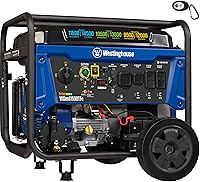
The Westinghouse 14500 Peak Watt Tri-Fuel Home Backup is the best tri fuel portable generator for buyers who need high gasoline output, remote start and a 50A outlet. For the brand’s gasoline and propane models, compare Westinghouse dual-fuel generators.
For an inverter design with less than 3% THD, consider the Westinghouse iGen8200TFc.
A tri-fuel generator can run on gasoline, propane or natural gas, but its output may change with the fuel. Compare the wattage on the fuel you expect to use, then match it to the appliances and tools you plan to power.
Our picks at a glance
-
1
 Best for high-output home backup
Westinghouse 14500 Peak Watt Tri-Fuel Home Backup
9.7/10 our score
See it on Amazon -
2
 Best for multiple start options
GENMAX 15000W Tri-Fuel Portable Generator
9.4/10 our score
See it on Amazon -
3
 Best for inverter power and lower THD
Westinghouse 8200 Peak Watt Tri-Fuel Portable Inverter
9.3/10 our score
See it on Amazon
Which portable tri fuel generators stand out?
The Westinghouse 14500 leads this group for stated gasoline running output, while the other picks focus on inverter power, multiple starting methods or different output needs. For smaller loads, see 3,000-watt portable generators.
We compared fuel options, published output, starting features, outlets and safety features.
We scored each generator for how well its stated features match common portable backup needs. Our score weighs specs, features and buyer feedback against what you're shopping for.
| Product | Best for | Gasoline output | Fuels | Starting | Our score |
|---|---|---|---|---|---|
| Westinghouse 14500 Peak Watt Tri-Fuel Home Backup | high-output home backup | 11,500 running / 14,500 peak watts | Gasoline, propane, natural gas | Remote and push-button electric start | 9.7 |
| GENMAX 15000W Tri-Fuel Portable Generator | multiple start options | Gasoline, LPG, natural gas | Button, remote and recoil | 9.4 | |
| Westinghouse 8200 Peak Watt Tri-Fuel Portable Inverter | inverter power and lower THD | 6,600 running / 8,200 peak watts | Gasoline, propane, natural gas | 9.3 | |
| DuroMax XP13000HXT | 13,000-watt peak output | Gasoline, propane, natural gas | Remote and push-button start | 9.2 | |
| DuroStar DS13000MXT | a simple fuel selection panel | Gasoline, propane, natural gas | Push-button and recoil start | 9.1 | |
| DuroMax XP15000HXT | maximum stated peak output | Gasoline, propane, natural gas | Remote and push-button start | 8.8 | |
| Generac | AVR and COsense | 9,500 running / 12,500 starting watts | Gasoline, propane, natural gas | Electric start | 8.6 |
| Champion 8125-Watt Electric Start Tri Fuel Portable | lower power needs | 6,500 running / 8,125 starting watts | Gasoline, propane, natural gas | Electric start | 8.5 |
Which tri fuel generator fits your power needs?
The right choice depends on your load plan, fuel source and preferred starting method. For a lower-output size, compare 5,000-watt portable generators.
For a lower-output option, compare best 2000-watt portable generators.
Check running watts on your intended fuel, not only peak or starting watts.
Westinghouse 14500 Peak Watt Tri-Fuel Home Backup: Best for high-output home backup
- 11,500 running and 14,500 peak watts on gasoline
- Runs on gasoline, propane or natural gas
- Remote and push-button start
- Less than 5% THD
The 11,500 running watts on gasoline and 50A outlet suit buyers planning home backup. It also offers remote start and less than 5% THD for sensitive electronics.
Pros
- Highest stated gasoline running output here
- Remote and push-button start
- 50A and 30A outlets
Cons
- Weighs 230 lb
- Automatic transfer switch sold separately
The Westinghouse WGen11500TFc is the strongest fit here when you need substantial home-backup output. It provides 11,500 running and 14,500 peak watts on gasoline, and its 50A and 30A outlets support a connection plan built around a suitable transfer switch or interlock.
It can also run on propane or natural gas, though the stated output figures above are for gasoline. The maker specifies up to 19 hours at 25% load on its 9.5-gallon gasoline tank.
Remote and push-button start help when you want to start it without using recoil. Westinghouse also lists less than 5% THD, a CO sensor and automatic low-oil shutdown.
At 230 lb, it needs a planned parking spot and a safe way to move it. The WATS200 automatic transfer switch is sold separately, so include electrical setup in your planning.
Choose it for higher-output backup when gasoline wattage and a 50A outlet matter. For a model specifically selected for a remote, see our best tri fuel generator with remote start guide.
GENMAX 15000W Tri-Fuel Portable Generator: Best for multiple start options
- 11,000 running and 15,000 peak watts
- Gasoline, LPG or natural gas
- Button, remote and recoil start
- 2-wire automatic start/stop
Three starting methods give you options if electric or remote start is unavailable. Its digital display and 2-wire automatic start/stop add monitoring and control features.
Pros
- Three starting methods
- 2-wire automatic start/stop
- 10.56-gallon tank
Cons
- Weighs 242.5 lb
- No THD figure provided
GENMAX suits buyers who want several ways to start a high-output generator. The GM15000ET offers button, remote and recoil start, with 11,000 running watts and 15,000 peak watts.
Its panel adds a digital display, a voltage transfer switch and a 2-wire automatic start/stop mechanism. The maker describes that function for charging solar batteries, so confirm compatibility with your setup before relying on it.
The 10.56-gallon tank is larger than the Westinghouse 14500's stated 9.5-gallon tank, but the product information does not give a runtime figure for the GENMAX. It weighs 242.5 lb, so plan for moving and storage.
Choose it if you value three starting methods and panel features alongside gasoline, LPG and natural gas operation. Check that the supplied hoses and connectors match your fuel connection plan.
Westinghouse 8200 Peak Watt Tri-Fuel Portable Inverter: Best for inverter power and lower THD
- 6,600 running and 8,200 peak watts on gasoline
- Less than 3% THD
- Gasoline, propane or natural gas
- Remote and push-button start
This inverter model combines three fuel choices with less than 3% THD and a 50A outlet. Its output is below the larger open-frame options.
Pros
- Lowest stated THD here
- 50A home-backup outlet
- Remote and push-button start
Cons
- 6,600 running watts on gasoline
- Weighs 134.5 lb
The Westinghouse iGen8200TFc is the inverter pick for buyers who want tri-fuel flexibility with a lower stated THD figure. For more help with brand choice, see our inverter generator brands guide.
It delivers 6,600 running and 8,200 peak watts on gasoline, with less than 3% THD.
Its output changes by fuel: 5,940 running watts on propane and 5,280 on natural gas. The 50A outlet supports a home-backup connection, and a TT-30R outlet provides an RV connection option.
Westinghouse says the inverter adjusts engine speed to demand and gives an approximate noise level of 60 dBA at 25% load. The stated runtime is up to 17 hours at 25% load on a 3.9-gallon gasoline tank.
At 134.5 lb, it is lighter than the open-frame models in this roundup. For help comparing that format, see our open-frame inverter generator guide.
For a closer look at inverter-focused options, see our best tri fuel inverter generators guide.
DuroMax XP13000HXT: Best for 13,000-watt peak output

- 13,000-watt peak output
- Gasoline, propane or natural gas
- Remote and push-button start
- Transfer switch-ready 50A outlet
The XP13000HXT pairs 13,000-watt peak output with three fuel choices and remote starting. Its front-facing interface lets you change fuel type.
Pros
- Three fuel choices
- Remote and push-button start
- Transfer switch-ready 50A outlet
Cons
- Running wattage is not stated in the supplied product information
- Weighs 240 lb
The DuroMax XP13000HXT brings 13,000-watt peak output and three fuel choices to a portable home-backup design. For more from the brand, see DuroMax tri-fuel generators.
Its 500cc engine powers gasoline, propane or natural gas, and the front-facing interface lets you change fuel type.
It includes push-button and remote start, plus a transfer switch-ready 50A outlet. The available product information does not state running wattage, so use the manual or manufacturer to confirm continuous output for your load plan before buying.
The unit weighs 240 lb and includes a natural gas hose, propane regulator and remote control. Its CO Alert feature is designed to shut the generator down when harmful fumes are detected.
Choose it if you want remote starting and a clear fuel-selection interface. The missing running-watt figure makes it harder to compare directly with models that give both running and peak output.
DuroStar DS13000MXT: Best for a simple fuel selection panel

- 10,500 running and 13,000 peak watts
- Gasoline, propane or natural gas
- Push-button start and fuel selection knob
- CO Alert shutdown
The DS13000MXT offers 10,500 running watts and a fuel selection knob on its control panel. It also includes a transfer switch-ready 50A outlet.
Pros
- Running and peak output are both stated
- Fuel selection knob
- CO Alert shutdown
Cons
- No THD figure provided
The DuroStar DS13000MXT offers 10,500 running and 13,000 peak watts on a 500cc engine. It runs on gasoline, propane or natural gas, with a fuel selection knob and push-button start.
The control panel includes a transfer switch-ready 50A outlet. DuroStar also describes CO Alert shutdown, which turns the generator off when harmful fumes are detected.
At 30.5"L x 27.3"W x 26"H, it belongs in a fixed, planned location rather than a setup that needs frequent carrying. The included natural gas hose and propane regulator may help with connections, but confirm the fittings and local requirements for your installation.
Choose this model if you want both running and peak output figures to compare against your load list. If power quality is a priority for sensitive electronics, our best low THD tri fuel generator guide focuses on that factor.
DuroMax XP15000HXT: Best for maximum stated peak output

- 15,000-watt peak output
- Gasoline, propane or natural gas
- Remote and push-button start
- 50A outlet and digital display
This model has the highest stated peak output in the group and a digital display for fuel, load, voltage, frequency and hours. It weighs 362 lb.
Pros
- Highest stated peak output here
- Remote and push-button start
- 50A outlet
Cons
- Weighs 362 lb
- Running wattage is not stated in the supplied product information
The DuroMax XP15000HXT has the highest stated peak output in this group at 15,000 watts. It runs on gasoline, propane or natural gas and includes remote and push-button starting.
Its digital control center shows fuel level, load, voltage, frequency and running hours. The outlet panel includes a 50A connection, while CO Alert is designed to shut the unit down when harmful fumes are detected.
Weight is the main planning point: this model weighs 362 lb. The available information does not state its running wattage, so confirm the continuous output and your electrical connection needs before choosing it.
Pick it if your priority is the highest stated peak figure and you have a suitable place to operate and store it. Its weight makes site access and movement especially important.
Generac: Best for AVR and COsense

- 9,500 running and 12,500 starting watts on gasoline
- Gasoline, propane or natural gas
- AVR and COsense
- Electric start
Generac pairs automatic voltage regulation with COsense shutdown and electric start. The stated gasoline output is 9,500 running and 12,500 starting watts.
Pros
- AVR for voltage regulation
- COsense shutdown
- Natural gas runtime described as virtually unlimited
Cons
- Weighs 219 lb
- Not a remote-start model
Generac pairs 9,500 running and 12,500 starting watts on gasoline with automatic voltage regulation and COsense shutdown. It also runs on propane or natural gas and has electric start.
The stated gasoline runtime is up to 9.5 hours at 50% load or 14 hours at 25% load on its 7.5-gallon tank. Generac describes natural gas runtime as virtually unlimited, but your connection and fuel supply determine actual use.
Its panel includes 120V GFCI outlets, a 30A twist-lock outlet and a 50A outlet. At 219 lb, it is the lightest of the large open-frame home-backup models in this group, though it still needs careful placement and movement.
Choose it if AVR, COsense and a clear runtime reference matter more than remote starting. The 50A outlet is compatible with Generac HomeLink manual transfer switches.
Champion 8125-Watt Electric Start Tri Fuel Portable: Best for lower power needs

- 6,500 running and 8,125 starting watts on gasoline
- Gasoline, propane or natural gas
- Rocker-switch electric start
- CO Shield auto shutoff
The Champion's lower output suits buyers with a shorter essential-load list. It includes natural gas and propane hoses, plus a voltage and run-time display.
Pros
- Three fuels with hoses included
- CO Shield auto shutoff
- Electric start
Cons
- Lowest gasoline running output here
- No remote start
The Champion 8125-Watt Electric Start Tri Fuel Portable suits a smaller load list, with 6,500 running and 8,125 starting watts on gasoline. It also runs on propane and natural gas, with lower stated output on those fuels.
The maker gives 6,000 running watts on propane and 5,500 on natural gas. A rocker switch starts the 389cc engine, and the display tracks voltage, frequency and run time.
Champion includes natural gas and propane hoses, plus CO Shield auto shutoff. It weighs 197 lb, lighter than the higher-output open-frame picks here.
Choose this model when your essential loads fit its output and you want the fuel hoses included. Before connecting appliances, add their running and starting demands and compare the total with the correct fuel's figures.
How should you compare tri fuel generator output?
Compare the running watts for your chosen fuel with the total load you plan to operate. Starting watts help describe brief startup demand, but they are not a substitute for continuous running capacity.
Create a list of essentials such as a refrigerator, sump pump, lights or selected tools. Check each item's nameplate and startup needs, then decide which loads can run together.
Fuel can change the available output, as the Westinghouse iGen8200TFc and Champion figures show. Keep a margin for startup surges and avoid assuming gasoline output applies to propane or natural gas.
Should you choose an inverter or open-frame model?
Choose an inverter when its lower THD, stated noise or fuel-use features fit your needs and its output covers your loads. The Westinghouse iGen8200TFc is the inverter model here, with less than 3% THD and lower running wattage than the largest open-frame picks.
The Westinghouse WGen11500TFc lists less than 5% THD, while most other models in this roundup do not provide a THD figure in the information available here. For electronics, compare a manufacturer's THD specification with the requirements of your equipment.
An open-frame model may fit better when the load plan calls for higher output. Compare weight, outlet type and fuel-specific wattage along with the headline peak number.
What should you check before connecting a generator to your home?
Confirm the generator's output, outlet, transfer equipment and installation plan before connecting home circuits. A transfer switch or interlock setup must match your panel and local electrical requirements.
Several models here have 50A outlets described for transfer-switch-ready use. That outlet alone does not install the transfer equipment, and the Westinghouse WATS200 is sold separately.
Operate fuel-powered generators outdoors and follow the manufacturer’s distance and ventilation instructions. CO sensors and automatic shutdown features add protection, but they do not replace safe placement and operation.
How do fuel and starting features affect your choice?
Choose the fuel source you can store or connect safely, then check its output and runtime. Gasoline uses a tank, while propane and natural gas require compatible hoses, regulators or connection hardware.
Remote start can add convenience when the generator is in its operating location, while recoil start can provide another option on models that include it. If remote start is a priority, compare the options in our best tri fuel generator with remote start guide.
Check which accessories come with the generator and which connection parts you still need. Follow the instructions for changing fuels and never switch fuels while the engine is running unless the manufacturer expressly permits it.
Which portable tri fuel generator should you choose?
Choose the Westinghouse 14500 for the highest stated gasoline running output here, the iGen8200TFc for inverter power and less than 3% THD, or the Champion for a lower-output option with hoses included. If your choice depends on a specific home circuit or appliance, confirm running watts and connection requirements first.
For a different fuel-flexibility comparison, read which is better, dual fuel or tri fuel generator?. If you are comparing brands, our best WEN generators guide covers that lineup.
Our top 3 picks at a glance
-
1
Best for high-output home backup
Westinghouse 14500 Peak Watt Tri-Fuel Home Backup
9.7/10 our score
See it on Amazon -
2
Best for multiple start options
GENMAX 15000W Tri-Fuel Portable Generator
9.4/10 our score
See it on Amazon -
3
Best for inverter power and lower THD
Westinghouse 8200 Peak Watt Tri-Fuel Portable Inverter
9.3/10 our score
See it on Amazon
Frequently asked questions
What makes a portable generator tri fuel?
A tri-fuel generator can run on gasoline, propane and natural gas. That gives you a choice based on available fuel and your setup.
Before buying, check the output for each fuel because it can differ.
Confirm hose, connection and installation needs for the fuel source you plan to use.
How much power should a tri-fuel generator provide?
Add the running watts of the equipment you need at the same time, then account for the starting surge of motors and compressors. Compare those needs with the generator's output on your intended fuel.
A model's peak wattage is not its continuous running output.
Is an inverter tri-fuel generator better?
An inverter model may suit you if lower THD, reduced engine speed at lighter loads or quieter operation matters. The Westinghouse iGen8200TFc lists less than 3% THD and about 60 dBA at 25% load.
Compare its output on each fuel with your load plan before choosing it.
Can a portable tri-fuel generator power a home?
Some models have outlets and output intended for home backup, but the right fit depends on your loads and connection setup. A transfer switch or interlock may be needed, and some accessories are sold separately.
Have a qualified electrician confirm a safe connection plan for your home.
Do tri-fuel generators have remote start?
Some do, but starting options vary by model. The Westinghouse 14500, GENMAX 15000W, Westinghouse iGen8200TFc and DuroMax XP13000HXT list remote start.
Check whether the remote function works with your chosen fuel and follow the model's instructions.