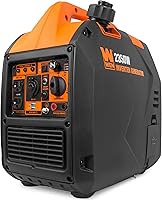
5 Best Champion Generator Tri Fuel (November 2026)
The best Champion tri fuel generators include the Westinghouse 14500 Peak Watt Tri-Fuel Home Backup for maximum home backup output, the Champion for quiet clean power, and the Champion for high electric-start output.
On this page (11 sections)
- The best Champion generator tri fuel picks by use
- 1. Westinghouse 14500 Peak Watt Tri-Fuel Home Backup: Best for maximum home backup output
- 2. Champion 11,000-Watt Remote Start Tri Fuel Portable Inverter Generator: Best for quiet clean power
- 3. Champion 12,500-Watt Electric Start Tri Fuel Home Backup Portable Generator: Best for high electric-start output
- 4. Westinghouse 8200 Peak Watt Tri-Fuel Portable Inverter Generator: Best for RV and quieter backup use
- 5. Champion Power Equipment 15,000-Watt Electric Start Tri Fuel Home Backup Portable Generator: Best for large commercial-style loads
- How to match tri-fuel output to essential circuits
- Gasoline, propane or natural gas: which fuel fits?
- Inverter or open-frame Champion tri fuel generator?
- Safe setup and care for a tri fuel generator
- Verdict: which Champion tri fuel generator should you choose?
The best Champion generator tri fuel choice for most buyers is the Champion 11,000-watt inverter generator, because it combines gasoline, propane and natural gas operation with remote start and less than 3% THD. Buyers with larger essential loads should choose the Champion 12,500-watt model or the 15,000-watt Champion after checking the output for their preferred fuel.
Tri-fuel gives you more fuel choices during an outage, but it does not give every fuel the same output. Gasoline usually provides the highest rating in this group, while natural gas provides the lowest rating on several models.
If you want a broader look at the brand's portable range, start with our guide to the best Champion portable generators. For a different fuel setup, read are Champion dual fuel generators any good before you decide that natural gas is worth the extra connection work.
Our picks at a glance
-
1
 Best for maximum home backup output
Westinghouse 14500 Peak Watt Tri-Fuel Home Backup
9.7/10 our score
See it on Amazon -
2

-
3

- 4
 Check it
Westinghouse 8200 Peak Watt Tri-Fuel Portable Inverter
Best for RV and quieter backup use - 5
 Best for large commercial-style loadsCheck it
The best Champion generator tri fuel picks by use
The best model depends on your fuel plan, starting loads, outlet needs and how much generator you can safely move. Those four questions narrow the list faster than peak watts alone.
The Westinghouse 14,500-watt model leads for home backup output. It suits buyers who want the highest gasoline running rating here and plan to connect selected circuits through a transfer switch or interlock setup.
The Champion inverter model is the better fit when clean power and remote start matter most. It suits buyers who want to run sensitive electronics and start the unit from a distance.
For another brand option, compare DuroMax tri-fuel generators. That comparison can help if you want to weigh a different brand before you settle on fuel choice and outlet layout.
Our score weighs specs, features and buyer feedback against what you are shopping for. It does not replace a load check for your refrigerator, sump pump or other essential circuits.
Scores also reflect the difference between gasoline, propane and natural gas output. A model that looks strongest on gasoline may drop further on natural gas than another model does.
Who a model suits often comes down to setup. A buyer with a natural gas line and a transfer switch has different needs from a buyer who will only use propane tanks.
Weight matters in daily use too. A heavier open-frame unit may sit in one place for home backup, while a lighter inverter is easier to move between a house, trailer or campsite.
Start by listing your must-run loads and your likely fuel. Then match running watts for that fuel, not the headline peak number.
If two models both cover your loads, choose the one whose outlets, starting method and size fit your storage space. That practical fit usually matters more than a small score gap.
| Product | Best for | Fuel-specific output | Engine | Size and weight | Our score |
|---|---|---|---|---|---|
| Westinghouse 14500 Peak Watt Tri-Fuel Home Backup | maximum home backup output | Gasoline: 14,500 peak / 11,500 running watts | 550cc 4-stroke | 27.2 x 26.1 x 26.5 in; 230 lb | 9.7 |
| Champion | quiet clean power | Gasoline: 11,000 starting / 9,000 running watts | 459cc single-cylinder OHV | 28.3 x 28.8 x 27.5 in; 212.3 lb | 9.5 |
| Champion | high electric-start output | Gasoline: 12,500 starting / 10,000 running watts | 500cc | 29 x 28.5 x 25.8 in; 231 lb | 9.4 |
| Westinghouse 8200 Peak Watt Tri-Fuel Portable Inverter | RV and quieter backup use | Gasoline: 8,200 peak / 6,600 running watts | 298cc 4-stroke OHV | 27 x 20.9 x 21.7 in; 134.5 lb | 9.3 |
| Champion Power Equipment | large commercial-style loads | Gasoline: 15,000 starting / 12,000 running watts | 717cc 4-stroke V-Twin | 33 x 33.7 x 33.1 in; 331 lb | 8.6 |
1. Westinghouse 14500 Peak Watt Tri-Fuel Home Backup: Best for maximum home backup output
Westinghouse 14500 Peak Watt Tri-Fuel Home Backup: Best for maximum home backup output
- 14,500 peak and 11,500 running watts on gasoline
- Gasoline, propane and natural gas
- Remote electric start
- 50A and 30A transfer-switch-ready outlets
This is the highest-output pick in the group, with tri-fuel operation, remote start and outlets suited to a transfer switch or interlock kit.
Pros
- Highest gasoline output here
- Natural gas, propane and gasoline flexibility
- Less than 5% THD
Cons
- Heavier than the other portable options
- Transfer switch sold separately
The Westinghouse WGen11500TFc is the strongest overall pick when your essential circuits need a high running-watt ceiling. On gasoline, it produces 11,500 running watts and 14,500 peak watts, giving it the highest gasoline output among the first four choices.
Its 550cc 4-stroke engine runs on gasoline, propane or natural gas. Fuel-specific output changes with the fuel, so use the rating for the fuel you plan to store or connect rather than assuming the gasoline number applies to every setup.
The 50A and 30A outlets are suited to an interlock kit, manual transfer switch or Westinghouse WATS200 automatic transfer switch system. Those connection parts are sold separately, so plan the electrical installation before an outage.
Remote electric start makes starting easier from a distance. The generator also includes a fuel gauge and hour meter, while automatic low-oil shutdown and a CO sensor add important safety functions.
At 230 lb and 27.2 x 26.1 x 26.5 in, this is a serious portable unit rather than a light camping generator. Choose it when output is more important than easy lifting.
2. Champion 11,000-Watt Remote Start Tri Fuel Portable Inverter Generator: Best for quiet clean power
Champion: Best for quiet clean power
- 11,000 starting and 9,000 running watts on gasoline
- Inverter generator design
- Wireless remote start up to 80 ft
- Less than 3% THD
The 201423 combines tri-fuel operation with inverter power, remote start and included LPG and NG hoses.
Pros
- Inverter power for sensitive electronics
- Wireless remote key fob
- Natural gas and propane hoses included
Cons
- Less gasoline running output than the largest picks
- Natural gas output is lower than gasoline output
The Champion 201423 is the best Champion tri fuel generator here for buyers who want inverter power with remote starting. It produces 9,000 running watts and 11,000 starting watts on gasoline, then delivers 8,100 propane running watts and 7,290 natural gas running watts.
The inverter design lists less than 3% THD, which makes it a good match for sensitive electronics such as phones, computers and televisions when the connected load stays within its rating. Compare more low THD tri fuel generators if clean power is a priority.
Clean output does not replace safe placement or correct connection practices.
A wireless remote key fob starts and stops the generator from up to 80 ft away. Electric start, an included battery, and included LPG and NG hoses make the setup more convenient for buyers who want to use more than gasoline.
The outlet panel includes two 120V 20A GFCI duplex outlets, a 120/240V 30A locking outlet, a 120/240V 37.5A outlet and a 12V automotive-style outlet. That mix suits home backup, camping and commercial use, but your transfer equipment must match the outlet and circuit plan.
Choose this model when remote start and low THD matter more than maximum output. For more starting convenience, compare it with the best Champion generators with electric start.
3. Champion 12,500-Watt Electric Start Tri Fuel Home Backup Portable Generator: Best for high electric-start output
Champion: Best for high electric-start output
- 12,500 starting and 10,000 running watts on gasoline
- Electric start with included battery
- Gasoline, propane and natural gas
- Intelligauge output and maintenance display
This Champion gives you more gasoline running watts than the 11,000-watt inverter model, with electric start and fuel-specific output for planning.
Pros
- 10,000 gasoline running watts
- Electric start and battery included
- LPG and NG hoses included
Cons
- Open-frame design
- Natural gas output is 8,000 running watts
The Champion 201438 is the best middle ground when you need more gasoline running power than the 11,000-watt inverter model but don't want the 331 lb size of the largest Champion. It produces 10,000 gasoline running watts and 12,500 gasoline starting watts.
The fuel-specific figures are 9,000 running watts on propane and 8,000 running watts on natural gas. That difference matters if natural gas is your main backup fuel, especially when several motor loads may start close together.
Electric start uses a rocker switch and included battery. Champion also includes LPG and NG hoses, engine oil, an oil funnel and a wheel kit, which reduces the number of basic setup items to gather.
The Intelligauge tracks voltage, frequency, session run time and total run time. That information helps you watch output and plan maintenance intervals without guessing how long the generator has operated.
At 231 lb and 29 x 28.5 x 25.8 in, it needs a planned storage and moving space. Pick it when 10,000 gasoline running watts is the useful target and the open-frame format works for your location.
4. Westinghouse 8200 Peak Watt Tri-Fuel Portable Inverter Generator: Best for RV and quieter backup use
Westinghouse 8200 Peak Watt Tri-Fuel Portable Inverter: Best for RV and quieter backup use
- 8,200 peak and 6,600 running watts on gasoline
- Less than 3% THD
- Remote electric start
- 120V TT-30R RV outlet
This lighter inverter option suits buyers who need tri-fuel flexibility, clean power and an RV-ready outlet without moving a 200-plus-pound generator.
Pros
- Lightest generator in this group
- Inverter power under 3% THD
- 50A home backup and 30A RV outlets
Cons
- Lowest running output among the top four
- Natural gas output is 5,280 running watts
The Westinghouse iGen8200TFc is the portable choice for buyers who need tri-fuel flexibility but want a lighter inverter generator. On gasoline, it produces 6,600 running watts and 8,200 peak watts, with 5,940 propane running watts and 5,280 natural gas running watts.
The inverter system lists less than 3% THD for electronics such as computers, phones and televisions. It also uses engine-speed control to match power demand, and its stated noise level is about 60 dBA at 25% load.
This model includes a 120/240V 14-50R 50A outlet for home backup, a 120V TT-30R 30A RV outlet and a GFCI 120V 5-20R 20A duplex outlet. That makes it the most flexible fit here for someone who splits time between home backup and a travel trailer.
Remote electric start, a folding handle and never-flat wheels help with routine movement. At 134.5 lb, it is far easier to reposition than the larger open-frame models.
Choose it when 6,600 gasoline running watts covers your essential circuits and the RV outlet matters. If remote starting is your main priority, compare this pick with our guide to the best Champion remote start generators.
5. Champion Power Equipment 15,000-Watt Electric Start Tri Fuel Home Backup Portable Generator: Best for large commercial-style loads
Champion Power Equipment: Best for large commercial-style loads
- 15,000 starting and 12,000 running watts on gasoline
- 717cc Milwaukee Series V-Twin engine
- Electric start
- Gasoline, propane and natural gas
This is the largest and heaviest choice, built around high gasoline output for homes or commercial work where the load justifies its size.
Pros
- Highest starting and running watts on gasoline
- Large 717cc V-Twin engine
- Natural gas and propane hoses included
Cons
- Heaviest model here
- Gasoline output is higher than its stated 12,000-watt portable rating
The Champion 201161 is the high-output choice for buyers who have large home or commercial loads and enough space for a very heavy generator. Its gasoline rating reaches 15,000 starting watts and 12,000 running watts, the highest gasoline output in this group.
It runs on gasoline, propane or natural gas. The stated natural gas output is 12,500 starting watts and 10,000 running watts, while propane provides 13,750 starting watts and 11,000 running watts.
A 717cc Milwaukee Series V-Twin engine and electric start support the large output. Champion includes a propane hose, a natural gas hose with NPT adapter, engine oil, an oil funnel and a wheel kit.
This generator measures 33 x 33.7 x 33.1 in and weighs 331 lb. The wheel kit helps with transport, but the size still calls for a clear storage area, a suitable outdoor operating location and a realistic plan for moving it.
Choose it when your load calculation justifies the extra size. For a typical essential-circuit setup, a smaller model may be easier to store and may still provide enough running watts.
Compare Champion 4000-watt generators for smaller load plans.
How to match tri-fuel output to essential circuits
Match the generator's running watts to the loads that must stay on, then reserve starting watts for motors that surge when they begin. The number printed in a title is only useful after you compare it with your actual fuel and circuit plan.
Start with essential items such as a refrigerator, freezer, sump pump, furnace equipment, selected lights, internet equipment and a medical device if your household uses one. Add their running watts, then account for the largest starting load rather than adding every possible surge at the same time.
Use the fuel-specific table below as a planning reference:
| Generator | Gasoline running watts | Propane running watts | Natural gas running watts |
|---|---|---|---|
| Westinghouse 14500 | 11,500 | Check the fuel-specific rating before sizing | Check the fuel-specific rating before sizing |
| Champion 11,000 inverter | 9,000 | 8,100 | 7,290 |
| Champion 12,500 | 10,000 | 9,000 | 8,000 |
| Westinghouse 8200 inverter | 6,600 | 5,940 | 5,280 |
| Champion 15,000 | 12,000 | 11,000 | 10,000 |
The Westinghouse 14,500-watt model has a published gasoline output of 11,500 running watts in the supplied product data, but its propane and natural gas figures are not specified here. Do not assume they match gasoline.
Check the exact fuel rating before using it for a load calculation.
Starting loads can change the choice. A refrigerator or sump pump may run within a modest steady load but need more power at startup, so leave headroom instead of sizing the generator right at the total running watts.
Gasoline, propane or natural gas: which fuel fits?
Gasoline offers the highest listed output on every model here where fuel-specific figures are available. It also requires safe storage and fresh-fuel planning, so it may not be the best long-outage choice for every household.
Propane stores differently and can be useful when you already keep cylinders for outdoor cooking or other equipment. The Champion 11,000-watt model provides 8,100 running watts on propane, while the Champion 12,500-watt model provides 9,000.
Natural gas avoids refilling a portable tank during an outage, but the output is lower on the models with published figures. The Champion 11,000-watt model falls to 7,290 natural gas running watts, and the Westinghouse 8,200-watt inverter falls to 5,280.
For a deeper fuel comparison, read Which Is Better Dual Fuel or Tri Fuel Generator?. If you're unsure that the added fuel choice helps your situation, see Is It Worth Buying Dual Fuel or Tri Fuel Generator?.
Inverter or open-frame Champion tri fuel generator?
Choose an inverter model when lower THD, lighter transport or quieter operation is a main concern. Inverter power is a strong match for phones, computers and televisions when the connected load stays within the rating.
The Champion 11,000-watt and Westinghouse 8,200-watt models both list less than 3% THD. That clean output helps with sensitive electronics, but it does not remove the need to check total running watts.
The Westinghouse inverter also lists about 60 dBA at 25% load. Lower noise can make a difference for campsite use, travel trailer stays or backup power near sleeping areas.
Choose an open-frame model when you need more output for essential circuits and can plan around its larger size. Open-frame designs in this group focus more on backup capacity than compact handling.
The Westinghouse 14,500-watt model, Champion 12,500-watt model and Champion 15,000-watt model focus more on backup capacity than compact handling. Their larger engines and frames support higher gasoline running watts for bigger motor loads.
A lighter generator is not automatically the better generator. The Westinghouse 8,200-watt model weighs 134.5 lb, but its natural gas running output is 5,280 watts.
That weight saving comes with a trade-off. A buyer who plans to run on natural gas must size essential circuits against 5,280 watts, not the higher gasoline figure.
A heavier model may make more sense if your natural gas load needs the extra capacity. The Champion 12,500-watt model, for example, lists 8,000 running watts on natural gas.
Think about where the unit will live day to day. An inverter is easier to carry and store, while an open-frame unit may need a clear spot, a ramp or help to move.
Care also differs by design. Both types need oil checks, safe outdoor placement and load control, so follow the manual for the model you choose.
Pick inverter power for clean output and portability. Pick open-frame power when output for essential circuits is the deciding factor.
Safe setup and care for a tri fuel generator
Operate every portable generator outdoors, away from doors, windows and vents, and follow the manual's clearance instructions. A CO sensor can shut the generator down when high carbon monoxide is detected, but it does not make indoor operation safe.
Use a transfer switch or interlock kit installed for your home's electrical system when connecting selected circuits. The Westinghouse 14,500-watt model and Westinghouse 8,200-watt inverter are described as transfer-switch or interlock-ready, but the connection equipment is separate.
Before an outage, identify the fuel you will use and confirm its running and starting ratings. Check oil, keep the included manuals with the generator, and use the hour meter or Intelligauge where available to track operating time.
Do not overload the generator by adding appliances one at a time without checking the total. Turn off nonessential loads before starting a large motor load, then add equipment in a controlled order.
Verdict: which Champion tri fuel generator should you choose?
Choose the Champion 11,000-watt inverter generator if remote start, clean inverter power and three fuel options are your main goals. Choose the Champion 12,500-watt model if 10,000 gasoline running watts and electric start better match your essential circuits.
Pick the Westinghouse 14,500-watt model for the highest stated gasoline output among the first four picks, or the Champion 15,000-watt model when a 331 lb generator is justified by a larger residential or commercial-style load. Choose the Westinghouse 8,200-watt inverter when lower weight, RV use and inverter power matter more than maximum output.
The best Champion generator tri fuel purchase is the one that still covers your starting loads on the fuel you expect to use. Write down those loads before you compare remote start, outlets or engine size.
Our top 3 picks at a glance
-
1
Best for maximum home backup output
Westinghouse 14500 Peak Watt Tri-Fuel Home Backup
9.7/10 our score
See it on Amazon -
2
-
3
Frequently asked questions
What is the best Champion generator tri fuel option?
The Champion 11,000-watt remote-start inverter generator is the best fit for many buyers who want clean power, remote starting and gasoline, propane or natural gas operation. Choose the 12,500-watt Champion when your essential circuits need 10,000 gasoline running watts.
The right choice depends on your fuel-specific running load, not the largest peak number.
Does a tri fuel generator make the same power on every fuel?
No. These generators produce different starting and running watt ratings on gasoline, propane and natural gas.
For example, the Champion 12,500-watt model provides 10,000 gasoline running watts, 9,000 propane running watts and 8,000 natural gas running watts.
Size your essential circuits against the fuel you expect to use during an outage.
Is an inverter tri fuel generator better for electronics?
An inverter model can be a strong choice for phones, computers and televisions when its stated total harmonic distortion is low. The Champion 11,000-watt and Westinghouse 8,200-watt models list less than 3% THD.
Output quality is only one part of the decision.
You still need enough running watts for your connected equipment.
Can a Champion tri fuel generator power a house?
A Champion tri fuel generator can support selected home circuits when its output, connection method and fuel-specific ratings match the loads. The 12,500-watt model has 10,000 gasoline running watts, while the 15,000-watt model has 12,000 gasoline running watts.
Use a properly installed transfer switch or interlock setup, and never connect a portable generator directly to a household outlet.
What should I check before buying a tri fuel generator?
Check running watts on your planned fuel, starting watts for motors, outlet type, generator size, weight, starting method and included fuel hoses. Then compare those details with your refrigerator, sump pump, air conditioner, lights and other essential circuits.
Leave room for safe outdoor placement and follow the generator manual.