
Is It Worth Buying Dual Fuel or Tri Fuel Generator?
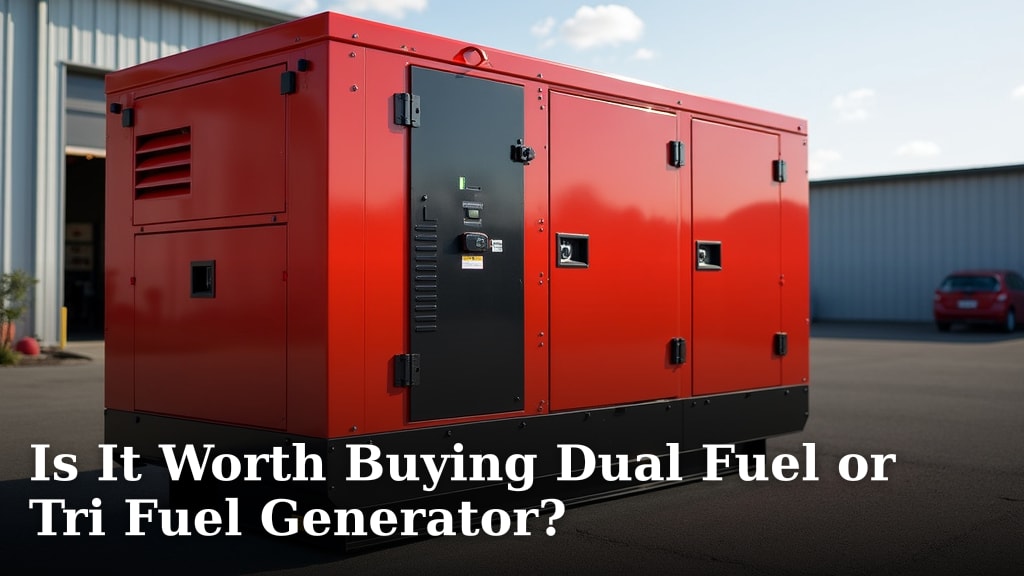
Yes, buying a dual fuel or tri fuel generator can be worth it, especially if you prioritize versatility and fuel flexibility during power outages. These generators offer more options than traditional gasoline-only models, adapting to what fuel you have on hand.
You get the benefit of choosing between propane, natural gas, or gasoline. This means you’re not stuck if one fuel type is scarce. We found that this flexibility can be a lifesaver when storms hit and supplies run low.
- Fuel Flexibility: Run on propane, natural gas, or gasoline.
- Cost Savings: Propane and natural gas can be cheaper.
- Longer Run Times: Easily switch fuel sources.
- Easier Storage: Propane and natural gas store better.
- Eco-Friendlier: Propane and natural gas burn cleaner.
So, is a dual or tri fuel generator right for you? Let’s explore the ins and outs, so you can make an informed choice for your home.
Evaluating Dual Fuel and Tri Fuel Generator Benefits
You’re wondering if these flexible generators are truly worth the investment. Many homeowners, like you, seek peace of mind during power outages. We found that the main draw is their adaptability.
Imagine a long power outage. What if gasoline becomes scarce or expensive? With a multi-fuel generator, you have options. This can make a big difference in stressful situations.
Understanding Dual Fuel Generators
A dual fuel generator can run on two types of fuel. Usually, this means gasoline and propane. You simply switch between the two with a selector switch.
This capability offers several advantages. You’re not tied to just one fuel source. If one runs out, you can easily switch to the other. This helps you keep your lights on and your fridge cold.
Advantages of Dual Fuel
The primary benefit is increased flexibility. If gas stations are closed or out of fuel after a storm, you might have propane tanks on hand. Propane also has a longer shelf life than gasoline.
Propane burns cleaner too. This means less engine maintenance over time. We found this can extend the life of your generator, saving you money in the long run.
Considerations for Dual Fuel
While great, there are a few things to keep in mind. Running on propane often means a slight decrease in power output compared to gasoline. It’s usually not a huge difference, but it’s good to be aware.
Also, propane tanks can be bulky to store. You’ll need a safe, well-ventilated area for them. Make sure you have enough tanks to last through an extended outage.
Exploring Tri Fuel Generators
A tri fuel generator takes flexibility a step further. It can run on gasoline, propane, and natural gas. This adds another layer of security for your power needs.
If you have a natural gas line connected to your home, this can be a game-changer. You get an almost endless supply of fuel without having to store tanks or refill them.
The Power of Natural Gas
Having natural gas as an option is incredibly convenient. You don’t have to worry about fuel storage or running out. It’s a continuous supply, much like your home’s regular utility service.
This makes natural gas a very reliable choice for long power outages. It also burns very clean, which is good for the environment and your generator’s engine longevity (U.S. Department of Energy).
Installation and Costs for Tri Fuel
Adding natural gas capability often requires professional installation. You’ll need a proper connection to your home’s gas line. This means an initial higher cost than a dual fuel unit.
However, many people find the long-term benefits outweigh this cost. The peace of mind from a nearly limitless fuel source is valuable. Plus, you avoid the hassle of transporting and storing other fuels.
Comparing Fuel Types: Which One is Right for You?
Deciding between fuel types involves weighing their pros and cons. Each has its own storage, availability, and cost factors. Let’s look at how they stack up.
Your choice depends on your local resources and specific needs. What’s readily available in your area? How long do your power outages typically last?
Fuel Type Characteristics
Here’s a quick comparison of the three common fuel types you’ll encounter. We found this helps many people visualize the differences.
| Fuel Type | Pros | Cons | Typical Availability |
|---|---|---|---|
| Gasoline | High power output, easy to find (usually) | Short shelf life (with stabilizer), flammable, bad for long-term storage, fumes | Gas stations |
| Propane | Long shelf life, cleaner burning, stores well in tanks | Slightly lower power output, tanks can be bulky, needs refilling/swapping | Hardware stores, gas stations, propane dealers |
| Natural Gas | Continuous supply (if connected), very clean burning, no storage needed | Lower power output, requires professional installation, not portable | Home utility line (if available) |
As you can see, each fuel has its own niche. Consider your priorities: raw power, long-term storage, or ultimate convenience?
Long-Term Fuel Storage and Shelf Life
This is a big one for emergency preparedness. Gasoline starts to degrade in about 3-6 months. You need fuel stabilizer to extend this, but it’s still not ideal for long-term storage.
Propane, however, can be stored almost indefinitely. As long as the tank is in good condition, your propane will be ready when you need it. This makes it a top choice for emergency fuel.
Natural gas, of course, has no storage issues. It comes directly from the utility line. This eliminates any worries about fuel going bad or needing rotation.
Deciding If a Multi-Fuel Generator is Right for You
So, after all this information, how do you make the final call? Think about your specific circumstances and what you value most during an emergency.
You’re not just buying a generator; you’re buying peace of mind. Which option gives you the most confidence when the power goes out?
Factors to Consider Before Buying
We’ve put together a checklist to help you narrow down your decision. Go through these points to see what fits your situation best.
- How frequent are power outages in your area? (More outages might mean greater need for fuel flexibility.)
- Do you have access to a natural gas line? (This opens up the tri fuel option significantly.)
- Are you comfortable storing propane tanks? (Think about space and safety.)
- What’s your budget for initial purchase and installation? (Tri fuels can cost more upfront.)
- What’s your priority: portability or continuous home power? (Natural gas isn’t portable.)
- How long do you anticipate needing emergency power? (Longer needs favor propane/natural gas.)
By answering these questions, you’ll get a clearer picture. Your ideal generator choice will likely emerge from your responses.
The Peace of Mind Factor
Ultimately, a multi-fuel generator offers a significant advantage: choice. When you’re facing a crisis, having options can relieve a lot of stress.
Imagine your neighbors scrambling for gasoline while you calmly switch to propane. Or perhaps your tri fuel unit purrs along on natural gas, unaffected by local fuel shortages. That’s a powerful feeling of security.
This flexibility can be invaluable when unforeseen events occur. You’re better prepared for whatever comes your way. We found that many owners report this sense of preparedness as the greatest benefit of their multi-fuel generator.
Conclusion
Deciding between a dual fuel or tri fuel generator boils down to your specific needs and priorities. You’ve seen that both offer superior flexibility compared to gasoline-only models. Consider your access to natural gas, your comfort with storing propane, and how often you experience outages. We found that investing in a multi-fuel generator provides significant peace of mind. It ensures you have options when traditional fuel sources are scarce. Make your choice based on what gives you the most security and convenience during uncertain times.
Frequently Asked Questions
Do multi-fuel generators require more maintenance than single-fuel ones?
Generally, no. Multi-fuel generators use similar engine designs. However, because they burn cleaner fuels like propane and natural gas, they can actually extend engine life. You’ll still follow standard maintenance schedules, but you might find fewer fuel-related issues over time.
Can I convert my existing gasoline generator to a multi-fuel generator?
Yes, conversion kits are available for many gasoline generators. These kits allow your generator to run on propane or natural gas in addition to gasoline. However, it’s essential to use a reputable kit and consider professional installation to ensure safety and proper operation. This might void your warranty.
Is the power output significantly reduced when running on propane or natural gas?
You will typically see a slight reduction in power output when running on propane or natural gas compared to gasoline. This difference is usually minor and often acceptable for most household needs. Always check the manufacturer’s specifications for exact power ratings on different fuel types.
Are dual and tri fuel generators more expensive to purchase initially?
Yes, multi-fuel generators generally have a higher upfront cost than comparable single-fuel (gasoline-only) models. The added technology for fuel flexibility contributes to this cost. However, the long-term benefits of fuel savings and reliability often justify the initial investment for many homeowners.
How do I safely store propane tanks for my generator?
You should store propane tanks outdoors in a well-ventilated area, away from direct sunlight and heat sources. Keep them upright on a firm surface. Never store propane tanks indoors or in enclosed spaces. Always follow local regulations and safety guidelines for propane storage.
