What Is a Battery Monitoring System?
A battery monitoring system is an electronic tool that tracks voltage, current, temperature, state of charge, and state of health in real time. It helps RV and backup power owners see how much charge is left, control charging, and catch weak cells before they fail.
On this page (13 sections)
- What Is a Battery Monitoring System in an RV or Backup Bank?
- What Components Does a Battery Monitoring System Use?
- Which of These Battery Monitoring System Parts Actually Matters Most?
- How Does a Battery Monitoring System Calculate State of Charge?
- What Is the Difference Between a Monitor, a Charger, and a Maintainer?
- How Does Reach and Placement Affect a Battery Monitoring System?
- What Batteries Benefit Most From Monitoring?
- How Do You Choose the Right Battery Monitoring System for Your Setup?
- What Should You Check on a Battery Monitoring System Before You Buy?
- How Should You Use a Battery Monitoring System Day to Day?
- How Does Charging Fit With a Battery Monitoring System?
- How Do You Know When a Monitored Battery Needs Attention?
- Which Battery Monitoring System Setup Should You Pick?
A battery monitoring system is an electronic tool that tracks voltage, current, temperature, state of charge, and state of health in real time. It helps RV and backup power owners see how much charge is left, control charging, and catch weak cells before they fail.
In plain terms, what is battery monitoring system at its core is visibility. A plain battery just sits there.
A monitored battery tells you what it is doing and whether it needs attention now or later.
What Is a Battery Monitoring System in an RV or Backup Bank?
A battery monitoring system for RV or backup use is a set of sensors, a display or app, and software that turns raw electrical readings into useful numbers. It shows state of charge as a percent, amps in or out, volts, temperature, and often time remaining at the current load.
That matters because voltage alone can lie. A battery can look normal at rest and sag badly under a fan, light, or small appliance.
Most systems use a shunt on the main negative cable, a voltage sense lead, and a display or Bluetooth app.
What Components Does a Battery Monitoring System Use?
The core components are a shunt, voltage sensing, a temperature sensor, and a display or app that does the math. Each part measures something different.
The shunt sits in series with the bank and counts current through a tiny voltage drop. That lets the system count amp-hours in and out for state of charge.
Voltage sensing helps sync state of charge at rest. Temperature sensing warns about heat that shortens battery life.
The display or app combines those readings. For a closer look, see what is a shunt battery monitor.
Which of These Battery Monitoring System Parts Actually Matters Most?
If you had to rank the parts, the shunt matters most for accuracy, and the display matters most for daily use. A shunt-based monitor beats a voltage-only model on a real RV bank.
Voltage-only monitors are cheaper and simpler to install. They work okay for a single starting battery, but struggle on a house bank with solar, a generator, and large loads.
A shunt-based system needs a clean install on the negative lead, with no connections bypassing it. For help choosing a setup, our guide to the best battery monitor for rv breaks down shunt, Bluetooth, and display options.
How Does a Battery Monitoring System Calculate State of Charge?
A shunt-based monitor calculates state of charge by counting amp-hours in and out, then adjusting for voltage and temperature. It starts from a known full point and tracks every amp.
Charging adds amp-hours back, while loads subtract them. A 10 amp load for one hour removes 10 amp-hours.
The system also resyncs when voltage stays high and current tapers to near zero, resetting to 100 percent. For charging steps, see how to charge an RV battery, and a best battery monitor with shunt is often the smarter buy for a house bank.
What Is the Difference Between a Monitor, a Charger, and a Maintainer?
A monitor measures battery condition, a charger adds energy, and a maintainer protects a stored battery. They do different jobs, and many owners need more than one of them.
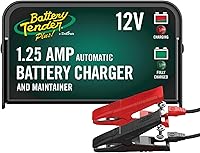
A smart charger in float mode can keep a battery topped up during storage. The Battery Tender Plus 12V 1.25 AMP Car is a good example for 12 volt automotive, motorcycle, and ATV use.
It uses a 4 step smart charging program, includes fused ring terminal and alligator clip cables, and has quick disconnect connections.
A monitor pairs well with that kind of maintainer. While the charger keeps the battery ready, the monitor tells you the resting voltage and state of charge at a glance.
If you want to learn how to charge a generator starting battery, a monitor helps you confirm the battery is actually holding charge.
How Does Reach and Placement Affect a Battery Monitoring System?
Placement affects accuracy and convenience. The shunt must sit on the main negative cable with no loads or chargers wired around it.
A display or app should be where you will actually check it before a trip or storm.
For RV owners, that often means a display near the entry door or in the cabin, plus Bluetooth for detailed history. For home backup, a display by the inverter works well.
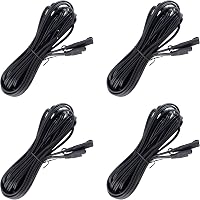
Reach matters on a larger rig or property. The Battery Tender 25 Foot Extension SAE Cable extends reach by 25 feet and works with Battery Tender Junior, Plus, and multi bank chargers.
Do not use that extension with the 6 volt Battery Tender Plus or units with white quick disconnect plugs. Battery Tender notes it is not for hard wired clip units.
Match the plug type before you order.
What Batteries Benefit Most From Monitoring?
Deep cycle house batteries and starting batteries both benefit, but for different reasons. House banks benefit from state of charge tracking, while starting batteries benefit from health warnings.
You need both views.
A 12 volt deep cycle bank in an RV or backup system gets cycled daily. State of charge tells you when to stop before you drop too low.
State of health tells you when capacity has faded.
A sealed lead acid battery like the Mighty Max Battery ML18-12, a 12 volt 18 amp hour rechargeable battery, shows why monitoring matters. It is rated for high discharge, wide operating temperatures, and deep discharge recovery.
That size and capacity suit generator starting and backup loads. A monitor on a battery like this will show whether it holds voltage under a starting load or sags early.
For a direct look at the different chemistries you might monitor, see types of inverter battery.
How Do You Choose the Right Battery Monitoring System for Your Setup?
Choose based on bank size, connection type, and display, Bluetooth, or WiFi. A small RV bank differs from a large home bank with solar.
For larger lithium, see 200Ah lithium battery box. For marine, the best marine battery monitor helps match shunt size to loads.
A best bluetooth battery monitor suits phone checks. A battery monitor with wifi suits remote checks.
A best deep cycle battery tester can confirm weak health numbers.
Match these choices to your bank and charging sources before you buy.
What Should You Check on a Battery Monitoring System Before You Buy?
Check shunt rating, voltage range, and what the display or app actually shows. Those specs decide fit for your bank and habits.
Your shunt must handle the highest current your bank will see, with room to spare. A 200 amp shunt will not work for a 500 amp inverter load.
Confirm the monitor supports your chemistry and voltage. A 12 volt system will not track 24 or 48 volt banks.
For cold weather lithium, compare LiFePO4 battery heaters. Check if temperature sensing is included or optional.
How Should You Use a Battery Monitoring System Day to Day?
Use the monitor before you run loads, after you charge, and when the weather or trip changes. Those three moments give you the most useful information with the least effort.
Before a trip, check state of charge and resting voltage. A battery that drops fast at rest may have a parasitic draw or a weak cell.
After charging, confirm the monitor shows a full sync. During storms or backup use, watch amp draw and time remaining.
If time remaining is short, shed loads early rather than waiting for a low voltage cutoff. Keep terminals clean and connections tight, since a loose sense lead can cause false readings.
How Does Charging Fit With a Battery Monitoring System?
Monitoring and charging work as a pair. The monitor shows you the need, and the charger or maintainer meets it.
A smart charger that can float holds a stored battery full without overcharging. The Battery Tender Plus uses a 4 step program and a two color LED to show charge state.
Charging resumes if voltage drops too far under load. Battery Tender backs it with a 10 year manufacturer warranty and lifetime customer support.
For longer runs, the 25 foot extension cable solves distance between outlet and battery. The Mighty Max ML18-12 gives a sealed lead acid replacement with a one year warranty.
How Do You Know When a Monitored Battery Needs Attention?
Watch for falling capacity, rising charge time, and voltage sag under load. Those signs point to a battery that is losing health, even if it still starts or runs.
A monitor that logs history makes this easy to spot. If your bank used to hold 80 percent overnight and now drops to 50 percent with the same loads, capacity has faded.
If charging takes longer to reach full, internal resistance may be rising.
Also watch temperature. A battery that runs hot during charging or a bank with one cell much warmer than the others needs inspection.
Test the battery and check connections before buying new gear.
Which Battery Monitoring System Setup Should You Pick?
For most RV and backup owners, a shunt based monitor with a display and Bluetooth is the best all around choice. It gives accurate state of charge, easy daily checks, and phone history.
Pick voltage only for a single starting battery with light use. Pick WiFi if you truly need remote checks and have reliable coverage.
Pick a larger shunt if your inverter or charging sources push high current.
Pair the monitor with charging gear for your storage pattern. A smart maintainer suits seasonal vehicles, an extension cable solves distance, and a sealed replacement suits generator and backup roles.
Frequently asked questions
What does a battery monitoring system measure?
A battery monitoring system measures voltage, current, temperature, state of charge, and state of health, and it often tracks charge and discharge cycles. The best monitors also log history so you can spot a weak cell or a charging fault before it leaves you without power.
Do I need a shunt for a battery monitor?
A shunt gives the most accurate state of charge reading because it measures current flowing in and out of the bank. Without a shunt, a monitor can only estimate charge from voltage, which is less reliable under load or after a recent charge.
Is a battery monitor the same as a battery charger?
No. A monitor measures and reports battery condition, while a charger adds energy to the battery.
Many owners use both together, pairing a monitor for visibility with a smart charger or maintainer for keeping batteries ready during storage and travel.