How to Charge an RV Battery
To charge an RV battery, use shore power, solar, a generator, or your tow vehicle, matched to your battery type and size. Connect a charger set for lead-acid or lithium, then let it run until it reaches full charge.
On this page (8 sections)
- How does an RV battery charge from shore power?
- What charges the batteries in an RV when you are off grid?
- How can you charge an RV battery with a generator?
- How do you charge an RV battery with solar power?
- How long does it take to charge an RV battery?
- What settings should you use for lead-acid and lithium RV batteries?
- Which products help with RV battery charging and storage?
- How do you keep an RV battery charged during storage?
To charge an RV battery, use shore power, solar, a generator, or your tow vehicle, and match the charger to your battery type. A 12V maintainer can keep a stored battery ready, but a larger RV bank usually needs more amps for daily use.
Start by finding your house battery and checking its label. Look for 12V, amp-hour capacity, and whether it is lead-acid, AGM, gel, or lithium.
That label tells you which charging profile to use.
Our guide to the types of inverter battery helps you match battery chemistry to charging settings. Choosing the wrong profile can undercharge or overcharge the bank.
How does an RV battery charge from shore power?
Shore power charges your RV battery through the built-in converter when you plug into a campground pedestal. The converter turns campground AC into DC for the battery and for lights, fans, and other DC loads in the coach.
Plug in, switch on the converter or charger, and leave it connected until the battery reaches full charge. Many built-in units switch to a lower float charge when the battery is full.
Check the manual for the converter setting that matches your battery type. Lead-acid, AGM, and lithium banks often need different voltage profiles.
If your built-in charger is old or set for the wrong battery type, an external charger may do a better job. Compare options in our guide to the best rv house battery chargers.
Shore power is the simplest method at a full hookup site. It also powers your AC loads, so the battery only needs to cover the DC side while you are plugged in.
What charges the batteries in an RV when you are off grid?
Off grid, your RV battery charges from solar panels, a portable generator, or your tow vehicle. Each source works at a different speed, so many RVers combine two of them.
Solar works well on sunny days and needs no fuel. Output drops on cloudy days, in shade, and when panels are dirty or angled poorly.
A generator gives you faster charging on demand. Use generator to charge batteries guidance to size the charger and run the generator for shorter, planned sessions.
Your tow vehicle can add charge while you drive. It rarely replaces solar or a generator after a full day of boondocking, but it helps on travel days.
Pick the source based on your site. Solar suits long stays in sun, while a generator suits short stays, cloudy weather, or a deeply drained bank.
How can you charge an RV battery with a generator?
You can charge an RV battery with a generator by powering a battery charger or your built-in converter. The generator makes AC power, and the charger or converter turns it into DC for the battery.
Use a charger setting that matches your battery type. Run the generator only as long as needed to bring the bank to full charge, then let solar or stored power take over.
A charger with higher amps refills the bank faster than a small maintainer. Higher amps also mean more fuel use, so balance speed against noise and fuel supply.
Our roundup of the Top 7 Watt Dual Fuel Generator For RV Use covers units that suit RV camping. Match generator output to your charger before you buy.
How to charge a generator starting battery safely
Keep your house battery and your generator starting battery separate. A generator starting battery is smaller and starts the engine, while the house battery runs lights and appliances.
If a starting battery is weak, use guidance for How to Charge a Generator Starting Battery? and follow the generator manual. Do not mix the two charging setups.
How do you charge an RV battery with solar power?
Solar charges an RV battery through a solar charge controller that limits voltage and amps. The controller protects the battery from overcharging as sun strength changes during the day.
Size the array for your daily use, not just for battery size. A bank that runs lights, fans, and USB ports all evening needs more solar input than a bank used only for overnight lights.
Place panels where they get direct sun for most of the day. Clean dust from the surface and check that mounts hold the panels firmly on travel days.
Use the controller setting for your battery chemistry. Lithium banks need a lithium profile, or the controller may stop charging before the bank is truly full.
Solar rarely fills a deeply drained bank quickly. Pair solar with a generator session when the bank is low and the forecast is cloudy.
How long does it take to charge an RV battery?
Charging time depends on battery size, depth of discharge, and charger amps. A simple estimate is amp-hours divided by charger amps, then add extra time for the final top-off stage.
For example, a 100 amp-hour bank that is half empty needs about 50 amp-hours of charge. At 10 amps, that is about 5 hours before taper time, so plan for more.
A 1.25 amp maintainer is far slower. It suits storage and topping off, not refilling a large bank after a weekend of use.
Temperature, battery age, and cable losses also affect time. Older lead-acid banks accept charge more slowly as they near full.
Use a monitor or voltmeter to track progress instead of guessing. Nearly full charge matters more than the clock, especially for lead-acid batteries.
How to charge an RV battery without a charger
You can charge an RV battery without a separate charger if your built-in converter, solar controller, or tow vehicle is doing the work. Without any of those, a battery will not refill on its own.
Portable solar with a controller is one option. A generator feeding a charger is another.
Driving with a tow vehicle is a third, though it is usually the slowest.
Do not expect a battery to recover while it sits unused. Self-discharge and parasitic loads draw it down over time.
What settings should you use for lead-acid and lithium RV batteries?
Use the profile that matches your battery chemistry. Lead-acid banks accept a multi-stage charge, while lithium banks need a lithium profile with a clear full-charge cutoff.
Lead-acid, AGM, and gel batteries often use absorption and float stages. The maker of your battery gives the voltage range for each stage.
Lithium batteries charge more efficiently and accept higher amps within their limit. A lithium profile stops at the right voltage so the battery management system is not pushed too far.
If your charger offers both profiles, select the correct one before you connect. Changing battery types later means changing the setting too.
Battery temperature matters during charging. Follow the battery manual for cold-weather limits and for hot-weather ventilation in the battery compartment.
Which products help with RV battery charging and storage?
A smart maintainer, an extension cable, and a correctly sized battery can each help in a different part of your charging setup. The right choice depends on whether you are storing, reaching a distant battery, or replacing a small bank.
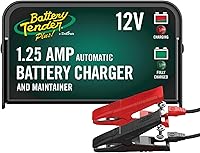
The Battery Tender Plus 12V 1.25 AMP Car & Motorcycle Battery Charger and Maintainer charges at 1.25 amps with a 4-step program. Battery Tender says it suits automotive, motorcycle, ATV, and lawn mower batteries, and it includes fused ring terminal and alligator clip cables.
Use this maintainer for storage, seasonal vehicles, and slow top-offs. It will be too slow to refill a large house bank quickly after heavy daily use.
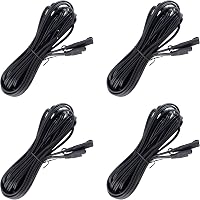
Reach matters when the charger sits far from the battery. The Battery Tender 25 Foot Extension SAE Cable extends reach by 25 feet and works with Battery Tender Junior, Plus, and multi-bank chargers.
Battery Tender says this cable is not for units that use hard-wired clips. Check your charger plug type before you add an extension to the setup.
For a small 12V replacement, the Mighty Max Battery ML18-12 is a 12V 18Ah sealed lead acid battery. It measures 7.17 x 3.03 x 6.57 inches and uses nut and bolt terminals.
This size suits small auxiliary loads, not a full house bank for a large coach. Measure the tray and check terminal access before you order a replacement.
How do you keep an RV battery charged during storage?
During storage, connect a maintainer set for your battery type and check the battery every few weeks. A maintainer holds charge without the overcharging risk of an old trickle charger.
Disconnect parasitic loads where possible. Clocks, detectors, and tracking devices can drain a stored battery even when the coach is parked.
Keep terminals clean and tight, and store the battery in a dry, ventilated space. Follow the battery manual for charge checks and for cold storage limits.
Our picks for the best rv house battery can help if storage reveals a weak or aging bank. Replace a battery that will not hold charge rather than forcing it with high amps.
For larger banks, compare the best 12v rv house battery options and the best 100ah lithium battery for rv picks. Size the replacement for your daily loads, not just for the old battery's footprint.
Pick shore power at a hookup, solar for sunny boondocking, and a generator session for cloudy days or deep discharge. Match the charging profile to your battery chemistry, and use a small maintainer only for storage or top-offs.
Frequently asked questions
How does an RV battery charge when driving?
Your tow vehicle alternator can send charge to the RV house battery through the trailer plug when the engine runs. Charging is often slow, so it works best as a top-up rather than a full recharge after heavy use.
What charges the batteries in an RV?
Shore power through the built-in converter, solar panels, a generator, and the tow vehicle alternator can all charge RV house batteries. Which source you use depends on where you camp and how much power you need each day.
How long does it take to charge an RV battery?
Time depends on battery size, how empty it is, and charger amps. A small charger may take many hours or overnight, while a higher-amp shore charger or generator setup can refill the same bank much faster.
Can I use a car battery charger on an RV battery?
A suitable 12V maintainer can help during storage, but it may be too slow for a large RV bank that needs daily use. Check the battery type, voltage, and amps before you connect any charger.