How to Choose a Group 27 AGM Battery
Choose a group 27 AGM battery by fit first, then capacity and charging needs. Measure the tray, match the terminal layout, and pick an AGM battery that suits starting, deep cycle or dual use. A wrong size or weak capacity will not fix a worn out power system.
On this page (11 sections)
- What size is a group 27 battery and how do I check the fit?
- How do I match AGM capacity to my existing installation?
- Should I choose a starting, deep cycle or dual purpose group 27 AGM?
- How do terminals, posts and cable reach affect my choice?
- What charging voltage and charger profile does an AGM battery need?
- How do I choose capacity for RV, truck, boat and generator use?
- When do I need a dual battery tray or battery box?
- How do I install a group 27 AGM battery step by step?
- How should I charge and maintain an AGM battery between trips?
- What mistakes shorten the life of a group 27 AGM battery?
- Which group 27 AGM battery choice fits your setup best?
Choose a group 27 battery AGM by fit first, then capacity and charging needs. Measure the tray, match the terminal layout, and pick an AGM battery that suits starting, deep cycle or dual use.
A wrong size or weak capacity will not fix a worn out power system.
Group 27 is a common size for RV house batteries, truck auxiliary batteries, boat batteries and generator starting batteries. It gives you more capacity than smaller car batteries while still fitting many factory trays.
AGM construction helps because there is no loose liquid to spill during normal use.
This guide explains how to check fit, compare capacity, choose between starting and deep cycle types, set up charging and care for the battery after install. It also covers trays, cables, chargers and maintainers that help a group 27 AGM battery last longer.
What size is a group 27 battery and how do I check the fit?
Check fit by measuring length, width, height and terminal position, not by the group number alone. Group 27 batteries share a general case family, but makers can vary height, terminal placement and hold down design.
Our guide to what size is a group 27 battery walks through the exact measurements. Measure the tray lip to lip, then allow room for cables, a hold down and a battery box lid if you use one.
Check terminal position before you buy. Some group 27 batteries place the positive terminal on the right when viewed from the front, and some place it on the left.
A reversed layout can leave cables too short or force poor routing.
Firm rule: buy only when the new battery fits the tray and the cable reach with room to secure it.
How do I match AGM capacity to my existing installation?
Match capacity to the loads you actually run, then add room for cold weather and age. Amp hours tell you how much energy a deep cycle battery can deliver over time.
Reserve capacity tells you how long a starting battery can run a set load after the engine stops.
A group 27 AGM battery with higher amp hours can run lights, fans and pumps longer before voltage drops. That helps RV house use and backup power.
It does not make a weak alternator charge faster, and it does not fix corroded cables.
Look at your old battery label for amp hours, cold cranking amps and reserve capacity. Use those numbers as a floor, not as a target to beat at all costs.
A larger battery that does not fit or charge well is a poor choice.
Firm rule: choose the smallest AGM capacity that covers your real loads and still fits the tray.
Should I choose a starting, deep cycle or dual purpose group 27 AGM?
Choose starting type for engine cranking, deep cycle type for slow house loads and dual purpose for light duty in both roles. A starting battery delivers a short burst of high current.
A deep cycle battery delivers steady current for longer periods.
RV house batteries and solar storage favor deep cycle AGM batteries because they tolerate repeated discharge and recharge. Engine starting favors a battery with strong cranking amps and good reserve capacity.
Dual purpose models split the difference, but they rarely match a dedicated battery in either job.
Check how you use the battery each day. A truck battery that starts the engine and runs a few accessories needs a different profile from an RV battery that runs a fan and lights all evening.
Firm rule: pick the type that matches your main daily duty, not the duty you rarely use.
How do terminals, posts and cable reach affect my choice?
Terminals decide whether a group 27 AGM battery installs cleanly or forces cable strain. Post location, post height and terminal type affect how the clamps sit and whether a lid or hold down clears.
Top post batteries use standard clamps and are easy to service. Side terminal batteries save space but need the correct bolts and cables.
Mixed terminal batteries add options, but they also add parts you must keep track of.
Cable length matters as much as post type. Measure from the old posts to the starter, ground point and charger leads.
Add a little slack for the hold down and for future cleaning, but leave no loose loops that can rub on the tray.
Firm rule: reject a battery whose posts cannot meet your cables without stretching or sharp bends.
What charging voltage and charger profile does an AGM battery need?
Charge a group 27 AGM battery with a smart charger set for AGM or sealed lead acid. For RV-specific steps, see how to charge an RV battery.
AGM batteries charge best with controlled voltage and a profile that reduces output as the battery fills.
Flooded battery settings can push too much voltage and dry out the battery.
Your alternator, solar controller or shore charger should match the battery maker's voltage range. If the maker gives a bulk, absorption and float range, use it.
Do not guess from generic lead acid advice.
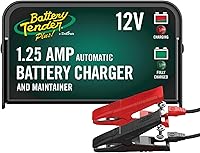
A maintainer helps when the battery sits between trips. Battery Tender says its Plus 12V 1.25 AMP charger uses a 4 step program and a float charge for automotive, motorcycle and ATV batteries.
That kind of smart maintenance suits a group 27 AGM battery that only sees weekend use.
Firm rule: use an AGM profile and confirm voltage settings before the first charge.
How do I choose capacity for RV, truck, boat and generator use?
Size capacity by runtime need, starting demand and recharge time. An RV house battery may need to run lights and a water pump for hours.
A generator starting battery may need a short, strong cranking burst after weeks of storage.
For RV use, list each load in watts and estimate hours of use. Add the loads, then choose amp hours that keep discharge within a safe range for your routine.
Leave extra room if you camp in cold weather or run the battery low often.
For truck and boat use, cranking amps and reserve capacity matter more than raw amp hours. A battery can have high amp hours yet crank poorly if its design favors slow discharge.
Check the label against your engine and starter needs.
For generator use, storage time matters. A battery that sits for months needs a maintainer and a clean, secure install.
The Mighty Max Battery ML18-12 is a smaller 12V 18AH sealed lead acid battery, so it shows why size and capacity must match the job rather than assuming any 12V battery will do.
Firm rule: match capacity to runtime or cranking demand, then confirm the case fits.
How does temperature change my capacity choice?
Buy extra capacity if the battery works in cold weather or a hot engine bay. Cold reduces chemical activity and cranking power.
Heat speeds self discharge and can shorten service life when charging is not controlled.
AGM batteries handle vibration and mounting position better than many flooded batteries. That helps in RVs, boats and work trucks.
It does not remove the need for insulation, ventilation and correct charging voltage.
Park the battery away from exhaust heat where you can. Use a tray and hold down that keep it from moving, and check the box or tray for trapped water after rain or washing.
Firm rule: add capacity margin for cold starts and protect the battery from engine heat.
When do I need a dual battery tray or battery box?
Use a dual tray or box when one group 27 battery cannot meet runtime needs or when the install needs added protection. A second battery adds capacity and redundancy, but it also adds weight, cables and charging load.
Our guide to a dual group 27 battery tray explains tray fit, spacing and cable routing. Two batteries should sit level, stay secure and allow access to caps, posts and test points.
A battery box helps where the battery sits near living space, a walkway or storage. It contains the battery, limits sparks near the posts and keeps tools from falling onto terminals.
Check box dimensions against the exact battery case before you order.
Firm rule: add a second battery only when charging, cables and tray space support it.
How do I wire two group 27 AGM batteries safely?
Wire two matching batteries in parallel for more capacity, and keep cables short, equal and well secured. Parallel wiring keeps voltage at 12 volts while adding amp hours.
Series wiring raises voltage and suits different systems, but it is not the usual RV house setup.
Use the same type, age and capacity for both batteries where you can. Mismatched batteries can share charge unevenly and shorten service life.
Keep positive and negative runs as similar as you can to balance current flow.
Add fusing where the maker or electrical code calls for it. Protect positive cables from chafing, route them away from sharp metal edges and cover exposed terminals after the install is complete.
Firm rule: parallel only matching batteries, fuse the runs and secure every cable.
How do I install a group 27 AGM battery step by step?
Install the battery square, secure and clean, with cables routed for service access. A loose battery can crack its case, damage posts and create sparks.
A dirty install invites corrosion and poor charging.
Start by disconnecting the negative cable first, then the positive cable. Lift the old battery with a strap or two hands, and clean the tray of dirt, acid residue and standing water.
Check the tray for cracks before you set the new battery down.
Set the AGM battery in the tray, confirm post orientation and install the hold down. Connect the positive cable first, then the negative cable.
Coat the posts with a light layer of corrosion protection after the clamps are tight, and tug each clamp gently to confirm it holds.
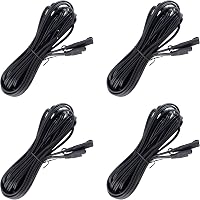
The Battery Tender 25 Foot Extension SAE Cable extends reach by 25 feet and works with Battery Tender Junior, Plus and bank chargers. That extra reach helps when the charger outlet is far from the battery compartment.
Firm rule: secure the battery before you connect cables, and test every clamp before you close the lid.
How should I charge and maintain an AGM battery between trips?
Maintain a group 27 AGM battery with a smart float charger and check voltage before storage. AGM batteries do not need water service, but they do need a full charge and clean connections.
Charge after each deep discharge, and recharge before a long storage period. A smart maintainer can hold the battery at full charge without constant overcharging.
Battery Tender says its Plus charger resumes full output if voltage drops too far under load, which helps a battery that loses charge in storage.
Check terminals monthly for corrosion, and check the hold down after rough roads or boat trips. Clean corrosion with a brush and a baking soda solution, then dry the area well.
Reconnect firmly and add corrosion protection.
Our broader guide to types of inverter battery helps when the battery feeds an inverter or backup system. Inverter loads can pull high current, so voltage drop in cables and connections matters more than it does for small lights.
Firm rule: store the battery full, clean and secured, with a maintainer attached when storage runs long.
What mistakes shorten the life of a group 27 AGM battery?
Avoid overcharging, deep discharge, loose mounting and wrong terminal fit. These mistakes cause more early failures than the AGM label itself.
A good battery still fails early in a poor install.
Overcharging dries out AGM batteries and can vent gas through the seals. Use the correct profile, and do not use a high output charger unless the battery maker approves the rate.
Deep discharge also hurts service life, so plan loads that keep routine use within a safe range.
Loose mounting lets vibration work the posts and cables. Wrong terminal fit creates heat and voltage drop under load.
Both problems can look like a weak battery when the battery itself is not the main fault.
Compare chemistries with care. Our best group 27 battery lithium guide covers lithium options, charger settings and weight trade offs.
Lithium can suit some installs, but it needs a charger and system settings that match the battery type.
Firm rule: fix charging, mounting and cables before you blame the battery.
Which group 27 AGM battery choice fits your setup best?
Pick the group 27 AGM battery that fits the tray, matches your duty and charges with an AGM profile. That order prevents the most common buying errors.
Capacity comes after fit, and features come after capacity.
For RV house power, choose a deep cycle AGM battery with enough amp hours for your evening loads. For engine starting, choose strong cranking amps and reserve capacity first.
For mixed light duty, a dual purpose model can work, but check the specs against both jobs.
Our best group 27 battery roundup compares more options by size, capacity and use. Use it after you measure the tray and note the terminal layout.
That order keeps you from buying a strong battery that cannot install in your rig.
Lithium is worth a look only when weight, charge control and system settings all line up. Our best group 27 battery lithium guide explains those trade offs.
The same fit first rule applies to any chemistry.
Final rule: measure, match the duty, set the charger for AGM and secure the install before you buy.
Frequently asked questions
What does group 27 mean on a battery?
Group 27 describes the battery case size and terminal position family, not its capacity. Two group 27 batteries can differ in amp hours, reserve capacity and cranking amps.
Always measure your tray and check the terminal layout before you buy.
Is a group 27 AGM battery good for an RV?
A group 27 AGM battery can suit RV house power when its capacity matches your loads and charging system. AGM batteries resist spills and vibration, which helps in moving rigs.
Check fit, capacity and your charger settings before choosing.
Can I charge a group 27 AGM battery with a standard charger?
Most AGM batteries charge well with a smart charger that has an AGM or sealed lead acid profile. Avoid charging settings meant for flooded batteries unless the battery maker approves them.
A maintainer helps between trips.
How do I know if a group 27 AGM battery is the right replacement?
The right replacement matches the tray length, width, height and terminal positions of the old battery. It also meets or exceeds your cranking and capacity needs.
Measure first, then compare capacity and terminals.