Group 31 Battery Posts: Which Type Do You Need?
Match the group 31 battery post type to your existing cables first: use a top post if your clamps need round posts, a stud post if your lugs need a threaded stud, and a nut and bolt terminal if your connectors are designed for a bolt through a flat terminal. Measure clearance before you change types.
On this page (12 sections)
- What does the group 31 battery post mean?
- How do top posts work on a group 31 battery?
- How do stud posts work on a group 31 battery?
- What is a nut and bolt terminal on a group 31 battery?
- How do you match cable ends to the post type?
- What clearance checks should you make before you buy?
- How do you compare top post, stud and nut and bolt options?
- How do you install the new post connection safely?
- What maintenance keeps group 31 battery posts reliable?
- Which products help you keep the right post connection working?
- What should you check before you order a group 31 battery post?
- How do you decide between group 31 post types for your battery?
Match the group 31 battery post type to your existing cables first. A top post works with clamp ends.
A stud post works with lugs that slip over a threaded stud.
A nut and bolt terminal works with connectors built for a bolt.
This group 31 battery post guide helps you tell those forms apart. You will check your cable ends, measure clearance, and confirm thread size before you buy.
That order saves returns and unsafe connections.
If you are new to the size, start with what is a group 31 battery. That page explains the group number and why it matters for fit.
What does the group 31 battery post mean?
The post is the connection point on top of the battery. Group 31 describes the case size and general layout.
The post type describes how cables attach.
Two batteries can share the same group number and still need different cables. One may have round posts for clamps.
The other may have studs for lugs. Swapping them without checking ends causes loose fits.
Look at the battery from above. Note whether posts rise like small poles, whether studs rise with threads, or whether terminals sit flat with a hole for a bolt.
That visual check is faster than reading a product name.
Also note polarity. Group 31 batteries usually place positive and negative at set positions, but cables can still be routed wrong.
Mark each cable before removal.
Rule: identify the post form by sight before you shop. The shape tells you what cable ends will work.
How do top posts work on a group 31 battery?
A top post is a round tapered post that fits a standard clamp. It is the most familiar form.
Many vehicles use clamps that tighten around the post.
Top posts suit cable ends that open wide enough to sit over the post. You slide the clamp on, align it, and tighten the clamp bolt.
The contact area wraps around the post.
Check height and taper. A short or damaged post can limit clamp contact.
Corrosion or a bent post also reduces contact and invites heat.
Top posts need side clearance for the clamp body. A clamp that fits the post may still hit a tray wall or lid.
Measure space around each post, not only the post size.
If your current battery uses top posts, staying with top posts keeps your cables and tools unchanged. That is often the simplest path.
Rule: keep top posts if your clamps are sound and sized for the posts. Change only for a clear fit or service reason.
How do stud posts work on a group 31 battery?
A stud post is a threaded stud that passes through a cable lug. The lug slips over the stud.
A nut or wing nut then clamps the lug down.
Stud posts suit lugs with a center hole sized for the stud. They also suit stacked lugs, where more than one cable shares one terminal.
The stud gives you a clear order for those lugs.
Check thread size and stud length. A lug hole that is too small will not fit.
A stud that is too short may not leave room for the nut and all lugs. A stud that is too long can poke into a cover.
Studs also need torque care. Too loose invites heat and arcing.
Too tight can stress the terminal. Use the maker’s torque guidance for the terminal and hardware you use.
Stud posts can make cable changes easier because you lift a nut instead of fighting a clamp. They can also tempt you to stack too many lugs.
Keep stacks short and test each connection.
Rule: use stud posts only when your lugs, thread size and stud length all match. Measure all three.
What is a nut and bolt terminal on a group 31 battery?
A nut and bolt terminal is a flat terminal with a hole for a bolt. The cable end sits flat.
A bolt and nut clamp it to the terminal.
This form is common on sealed lead acid batteries and some deep cycle designs. It keeps the top profile low.
It also avoids a tall post or stud that can hit a lid.
Check the hole size and bolt length. A bolt that is too short will not reach the nut.
A bolt that is too long can bottom out or stick out. The lug must be flat and sized for the hole.
Nut and bolt terminals reward neat cable routing. A cable that pulls sideways can loosen the bolt over time.
Route cables so the lug sits flat with no side load.
This form also affects service tools. You need a socket or wrench for the bolt head, plus a way to hold the nut.
Confirm you have both before you buy.
A small battery example shows the pattern clearly. The Mighty Max Battery ML18-12 is a 12V 18AH sealed lead acid battery with nut and bolt terminals and dimensions of 7.17 x 3.03 x 6.57 inches.
Rule: choose nut and bolt terminals when your lugs are flat, holed and sized for the bolt. Do not mix them with clamp ends.
How do you match cable ends to the post type?
Match the cable end to the post first, then check gauge and length. A perfect post match still fails if the cable is too short or too thin.
Start with one cable at a time. Note if the end is a clamp, a holed lug, or a flat connector for a bolt.
Note also if the end is ring shaped, fork shaped or a bare barrel.
Clamps need a round post of the right diameter and height. Holed lugs need a stud or bolt of the right diameter.
Flat connectors need a flat terminal and the right bolt length.
Check lug thickness. Thin lugs bend under a nut.
Thick lugs may not stack well on a short stud. The lug should sit flat and fill the contact area.
Check cable length with the battery in its tray. A cable that reaches only by pulling at an angle will stress the terminal.
Add room for lift, tilt and service movement.
Our group 31 battery cable guide helps you size cables by length and gauge after you confirm the end type.
Rule: match end shape, hole size and post size as one set. Change any part that breaks the set.
What clearance checks should you make before you buy?
Check clearance with cables, lugs, nuts and the lid in place. A battery that fits alone can fail when you close the compartment.
Measure height from the tray floor to the lowest lid point. Compare that with battery height plus post, stud, nut and cable bend height.
A tall stud can add more height than the case suggests.
Measure side clearance around each post. Clamps, lugs and tools need room on several sides.
A post near a wall can block a wrench or force a cable to bend sharply.
Check hold-down clearance too. A hold-down bar or strap may cover part of a terminal.
That cover can block a lug or leave too little stud exposed.
Check routing past edges and moving parts. A cable that rubs a tray edge will wear insulation.
A cable that crosses a hinge path will fail early.
Draw the plan on paper. Mark positive and negative, cable paths and tool access.
That short sketch catches most fit problems.
Rule: buy only after a full fit test with cables and lid installed. Tape, string and a wrench reveal more than case size.
How do you compare top post, stud and nut and bolt options?
Compare the three forms by your cables, tools and service habits. There is no universal winner.
Top posts win for familiar service and wide clamp contact. They suit vehicles already wired for clamps.
They lose points when space around the post is tight.
Stud posts win for stacked lugs and repeat cable changes. They give a clear clamping order.
They lose points when thread size, stud length or lug holes do not match.
Nut and bolt terminals win for low profile and flat lugs. They suit sealed batteries and tight lids.
They lose points when cables pull sideways or bolts are mismatched.
Also compare service risk. A clamp can loosen if the post is corroded.
A stud can be over tightened. A bolt can work loose if the cable pulls.
Your routing and habits decide which risk matters most.
The group 31 battery terminal nut guide helps you check nut size, thread and stack height for stud and bolt designs.
Rule: pick the form your present cables already fit best. A new form must earn its keep with new ends and tools.
How do you install the new post connection safely?
Install the connection with power off, polarity marked and hardware clean. A careful sequence prevents shorts and loose joints.
Park the vehicle or turn off the equipment. Remove the negative cable first, then the positive.
Mark each cable so you can restore the same order.
Clean the terminal and cable ends. Remove corrosion and dirt from contact faces.
Dry the parts before assembly. A clean face gives better contact than a thick grease layer on the face.
Fit the cable end squarely. Slide a clamp fully onto a post.
Seat a lug fully on a stud. Lay a flat connector flat on a bolt terminal.
No end should sit half on and half off.
Tighten in stages. Snug the hardware, check alignment, then tighten to the maker’s torque for that terminal.
Do not use torque values from a different post type.
After assembly, tug each cable gently. The end should not move on the terminal.
Cover exposed parts if your setup calls for insulation. Reconnect positive first, then negative.
Rule: test each connection by sight, tug and wrench before you close the lid. Loose now means hot later.
What maintenance keeps group 31 battery posts reliable?
Maintain posts by keeping contact faces clean and hardware tight. Most post failures start with corrosion, loose hardware or cable strain.
Check connections at each service interval. Look for white or green corrosion, cracked insulation, bent lugs and loose nuts.
Look also for heat marks on insulation.
Clean corrosion with a terminal brush or suitable cleaner. Rinse or wipe away residue.
Dry the parts fully. Reassemble with clean faces and correct torque.
Check cable strain. A cable that hangs from the terminal or pulls sideways will loosen hardware.
Add a support clamp or reroute the cable so the end stays calm.
Check the battery hold-down. Movement shakes terminals and wears cable ends.
A firm hold-down protects both the battery and the posts.
How often should you check and clean the posts?
Check posts every few months and before long storage. More checks make sense in heat, salt air or dusty work sites.
Wipe terminals during routine checks. Clean deeper when corrosion shows or when a voltage reading drops under load.
A weak battery and a dirty post can look alike at first.
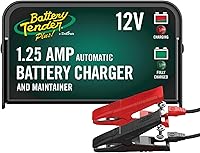
Use a maintainer during storage. The Battery Tender Plus 12V 1.25 AMP Car uses a 4 step program and includes fused ring terminal and alligator clip cables.
Rule: clean and torque posts on a schedule, not only after a failure. Small checks prevent roadside problems.
Which products help you keep the right post connection working?
Use products that match your post type and storage habits. A charger cannot fix a mismatched lug.
An extension cable cannot fix a short stud.
The Battery Tender Plus 12V 1.25 AMP Car suits stored cars, motorcycles, lawn mowers and ATVs. It has a 1.25 amp output, a 4 step charging program and a two color charge status light.
It includes a fused ring terminal cable and an alligator clip cable. Ring terminals suit stud or bolt installs.
Alligator clips suit quick top post checks. Battery Tender says the charger adapts to the battery and resumes full output when voltage drops too far under load.
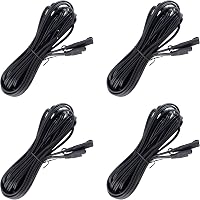
The extension cable below suits Battery Tender chargers that need more reach. It is a 25 foot SAE extension in a 4 pack.
It uses quick disconnect plugs for motorcycles, cars and ATVs. It is not for hard wired clips or for some 6 volt units with white plugs.
Mighty Max ML18-12 shows a nut and bolt design in a compact 12V 18AH package. It is a sealed lead acid battery for a Champion generator application in its title.
Its terminal form is the lesson here: flat lugs and correct bolt hardware matter more than the battery label.
For battery choice by use, see best group 31 rv battery and best group 31 starting battery. Those pages focus on capacity and starting or deep cycle duty.
If you need more capacity in a smaller footprint, the group 27 battery agm guide helps you compare case size and terminal needs. The dual group 27 battery tray guide helps when two smaller batteries replace one large unit.
Rule: fix the post match first, then add charging and reach accessories. The right accessory supports the connection you already have.
What should you check before you order a group 31 battery post?
Use a short checklist before you add a battery to your cart. Answer each line with a measurement, not a guess.
First, write down your present post form. Circle top post, stud post or nut and bolt.
Photograph each terminal from above and from the side.
Second, write down each cable end. Note clamp, holed lug or flat connector.
Note hole size, lug shape and any stacked lugs.
Third, measure the tray. Record length, width, height, post positions and hold-down points.
Add lid and cable clearance to the height check.
Fourth, check hardware. Note thread size, stud length, bolt length and nut size.
Confirm your wrench or socket fits the hardware in place.
Fifth, confirm polarity and cable routing. Mark positive and negative.
Sketch each cable path and check for rub points and tight bends.
Sixth, confirm charging needs. A stored battery may need a maintainer.
A distant charger may need an extension. Match those tools to the post ends you will use.
Rule: order only when post form, cable ends, tray size and hardware all agree. If one line fails, change the part that fixes it.
How do you decide between group 31 post types for your battery?
Decide by your current cables and your next service plan. That simple test points to the right post type for most buyers.
Keep top posts when your clamps are healthy and your space allows clamp movement. This path changes the least and uses tools you already own.
Choose stud posts when you stack lugs, change cables often or need a clear clamping order. Confirm thread size and stud length before you commit.
Choose nut and bolt terminals when your lugs are flat and holed and your lid needs a low profile. Confirm bolt length and cable routing with no side pull.
If you must switch forms, plan the full switch. Buy matching cable ends, hardware and tools at the same time.
Test fit the battery, cables, hold-down and lid before final torque.
This is the close for our group 31 battery post guide. Pick the post that matches your cables today, or buy the full set that matches the post you want tomorrow.
Rule: match the battery post to the cables you will actually use. That match is the whole decision.
Frequently asked questions
What is a group 31 battery post?
A group 31 battery post is the terminal where cables connect to the battery. Common forms include a round top post, a threaded stud post, and a nut and bolt terminal.
The right form depends on the cable ends you already have.
Can I change a top post battery to a stud post?
You can change types only if your cable ends match the new terminal or you replace the ends safely. Check cable length, lug shape, thread size and clearance.
Do not force a clamp onto a stud or a lug onto a round post.
Are group 31 battery cables different from other cables?
Group 31 battery cables are sized for the current and length of the installation, not only for the group number. Check gauge, length, lug size and routing.
A cable that fits one post type may not fit another.
How do I know if a group 31 battery will fit my tray?
Check length, width, height, post location and hold-down points against your tray and compartment. Terminal type affects cable routing and height.
Measure with the lid, cables and hold-down in place.