What Is a Deep Cycle Marine Battery?
A deep cycle marine battery is a battery built to be discharged slowly and repeatedly to power onboard equipment, then recharged. It is not a starting battery, and it works by delivering steady power over hours rather than a short burst to start an engine.
On this page (9 sections)
- What is a deep cycle marine battery and how does it differ from a starting battery?
- How does a deep cycle marine battery power onboard equipment?
- Why does cycle duty matter for a trolling motor?
- How do AGM, flooded, and lithium deep cycle batteries compare?
- How do you charge a deep cycle marine battery correctly?
- How do extension cables help with charging on a boat?
- What does battery size and capacity mean in daily use?
- How do you maintain a marine deep cycle battery through the season?
- When should you replace a deep cycle marine battery?
A deep cycle marine battery is built to give steady power for hours and then be recharged again and again. That is what is deep cycle marine battery duty means in plain terms.
You will see this type of battery running a trolling motor, cabin lights, bilge pumps, fish finders, and other onboard gear. It is made for slow, deep discharge and recovery, not for a quick engine start.
What is a deep cycle marine battery and how does it differ from a starting battery?
A deep cycle marine battery is designed for long, repeated discharge to a low level. A starting battery is designed for a short, high current burst to turn an engine over.
That difference shapes the whole design. A starting battery can be damaged by deep discharge, while a deep cycle battery gives up some cranking power to gain endurance.
Many boats carry both types. The starting battery handles the engine, and the deep cycle bank handles everything else.
Some batteries are sold as dual purpose, so check the maker description before you count on one battery to do both jobs.
If you are still deciding on types, our guide on types of inverter battery helps you compare battery types and charger needs in general terms.
How does a deep cycle marine battery power onboard equipment?
A deep cycle marine battery powers onboard equipment by supplying 12 volt power steadily until its stored energy runs low. You then recharge it before the next outing.
Typical loads include a trolling motor, lights, pumps, radios, chart plotters, and cabin fans. Each load draws amps, and the total draw decides how fast the battery drains.
This is why amp hour capacity matters. A battery with more amp hours can supply the same load for longer, in general terms.
Depth of discharge also matters, because using more of the stored energy each time can affect cycle life.
A what is a shunt battery monitor can show you amps in and out, so you can see how fast your loads are using the bank.
Why does cycle duty matter for a trolling motor?
Cycle duty matters for a trolling motor because the motor draws power for long stretches at variable speed. A battery that fades early leaves you paddling or drifting.
Deep cycle designs tolerate repeated discharge and recharge. They are built to recover after being run down, as long as you recharge them promptly and follow maker limits.
Our guide to the best deep cycle battery for trolling motor compares options for motor use. Read it with your motor draw, expected run time, and battery space in mind.
What size bank should you plan for a motor?
Plan the bank around motor draw, hours of use, and how much charge you want to keep in reserve. Add the amps for the motor and other loads, then multiply by the hours you expect to run.
Leave margin for wind, current, and lower output as the battery discharges. A larger bank gives more runtime, but it also adds weight and takes more space.
Check that the battery box, cables, and charger can handle the bank you choose. Undersized cables and chargers create heat and slow charging, even with a good battery.
How do AGM, flooded, and lithium deep cycle batteries compare?
AGM, flooded, and lithium deep cycle batteries differ in maintenance, weight, charging needs, and cost. No one type fits every boat, so match the type to how you use and store it.
Flooded lead acid batteries are common and usually lower cost. They need water checks and ventilation, and they can spill acid if tipped or damaged.
AGM batteries are sealed, spill proof, and often need less upkeep.
Lithium batteries are lighter and can often be discharged deeper, but they need a compatible charger and a battery management system. Our comparison of deep cycle battery vs lithium covers the trade offs in more detail.
For sealed lead acid options, see the best agm deep cycle marine battery picks. For a broader shortlist, see the best marine deep cycle battery guide.
How do you choose the right chemistry for your boat?
Choose the chemistry that fits your space, maintenance time, charger, and budget. If you want low upkeep and spill proof operation, AGM or lithium may suit you better than flooded.
If you already have a charger and want a familiar lead acid system, check that the battery type matches the charger settings. The best lithium battery charger for boat guide helps if you move to lithium.
Consider temperature and storage too. Batteries stored in a hot compartment or left discharged over winter tend to age faster.
Secure the battery, keep terminals clean, and recharge before storage.
How do you charge a deep cycle marine battery correctly?
You charge a deep cycle marine battery with a charger matched to its chemistry and voltage. Use the maker settings for absorption and float, and recharge after each use.
A smart charger raises voltage to accept charge, then lowers it as the battery fills. That multi stage approach helps a full recharge without overcharging.
A basic trickle charger may not finish the job as well.
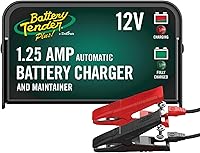
At 1.25 amps, this charger is suited to maintenance and slow recovery of smaller 12 volt batteries, not fast charging of a large bank.
Battery Tender says the Plus uses a 4 step program and a two color LED to show charge status. It includes fused ring terminal and alligator clip cables, plus a quick disconnect harness.
Use it for maintenance on a stored battery, and check the maker limits for your battery. Large marine banks may need a higher output charger for timely recovery.
Keep charger leads away from moving parts and bilge water. Follow the safety steps in how to charge a generator starting battery when you set up a safe charging spot.
How do extension cables help with charging on a boat?
Extension cables help when the charger is too far from the battery to connect safely. They let you run a quick disconnect lead to a convenient spot.
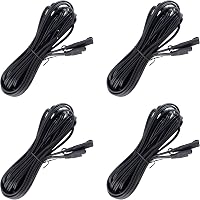
With a 25 foot reach and quick connect plugs, this 4 pack lets you place chargers away from the battery and connect fast at the bank.
Battery Tender says the cable works with Junior, Plus, 2-Bank, 4-Bank, 5-Bank, and 10-Bank chargers. It is not for use with hard wired clips, and it is not for the 6 volt Plus or units with white quick disconnect plugs.
Route the cable so it does not rub on sharp edges or sit in standing water. A long lead adds resistance, so keep connections clean and fully seated.
What does battery size and capacity mean in daily use?
Battery size and capacity decide how much energy you can store and whether it fits your box. Capacity is often stated in amp hours, and size decides fit and weight.
Check length, width, height, terminal position, and hold down method before you buy. A battery that is too tall or wide may not fit the tray, and loose batteries can shift in rough water.
This 12 volt 18 amp hour sealed lead acid battery measures 7.17 x 3.03 x 6.57 inches, with nut and bolt terminals.
Mighty Max says the ML18-12 is a rechargeable, maintenance free sealed lead acid battery with a one year warranty. The listing is for the battery and screws only, with no wire harness or mounting accessories included.
Mighty Max describes high discharge rate, wide operating temperatures, and deep discharge recovery. It can be mounted in any position, and it resists shocks and vibration, according to the maker.
Use a battery of this size for small loads or as a replacement only where the maker and equipment maker allow it. It is not a large house bank, so match it to the job, not just to the voltage.
How do you maintain a marine deep cycle battery through the season?
You maintain a marine deep cycle battery by recharging after use, keeping terminals clean, and storing it charged. Small habits prevent most early failures.
Rinse salt spray from the case, check cables for corrosion, and tighten connections with the battery off. Keep the top dry, because a wet, dirty top can create a path for small current loss between terminals.
For flooded batteries, check water level and use distilled water only when the maker allows it. For AGM and lithium batteries, follow the maker rules.
Store the battery in a cool, dry place and check charge during long storage. Recharge before it falls too low, and use a maintainer suited to its chemistry.
Heat, vibration, and long periods at low charge all shorten service life.
When should you replace a deep cycle marine battery?
Replace a deep cycle marine battery when runtime drops, charge will not hold, or the case shows damage. Do not wait for a total failure on the water.
Test the battery after a full recharge, then compare runtime under a known load with past trips. A battery that once lasted a full day but now fades in an hour has lost useful capacity.
Look for swelling, cracked case, leaking, loose terminals, or a charger error that repeats. Also check age against maker guidance, since heat and deep discharge can age a battery faster than the calendar suggests.
Here is the rule for what is deep cycle marine battery duty: pick a true deep cycle battery if you need steady house power or trolling motor power, pick a starting battery for engine cranking, and pick a dual purpose battery only if the maker states it suits both jobs. Size the bank for your loads, match the charger to the chemistry, and recharge after use.
Frequently asked questions
What is a deep cycle marine battery used for?
It powers onboard equipment and trolling motors over long periods. You use it for lights, pumps, electronics, and electric motors, then recharge it after use.
It is designed for repeated discharge and recharge cycles.
Can a deep cycle battery start a boat engine?
Some dual purpose batteries can, but a true deep cycle battery is made for steady power, not cranking. A separate starting battery gives a stronger short burst for the engine.
Check your boat maker advice before using one battery for both jobs.
How long should a marine deep cycle battery last?
Life depends on depth of discharge, charging, heat, and storage. Regular full recharges, clean terminals, and avoiding long periods at low charge help it last longer.
Follow the maker limits for your battery type.
When should you replace a deep cycle marine battery?
Replace it when runtime falls well below what it once gave, or when it will not hold charge after a full recharge. Swelling, leaking, or repeated failure to charge are also clear signs.
Test capacity and compare it with the original rating.