What Causes Generator Smoking After Oil Change?
On this page (6 sections)
Generator smoking after an oil change often happens because too much oil was added or the generator was tilted the wrong way during the process. Don’t worry, this is usually a simple fix. We’ve found that these two common mistakes are the main culprits for that smoky exhaust you’re seeing. For product options to consider, see our guide to post-change generator smoke.
When you change your generator’s oil, a few things can go sideways and cause that unwelcome smoke. It’s not always a sign of a major problem. Many users report seeing smoke when they’ve accidentally overfilled the oil reservoir or when oil seeps into the wrong places. We’ve seen this happen a lot, and it’s usually a straightforward correction.
- Overfilling oil is a prime suspect.
- Tilting your generator incorrectly can let oil spill where it shouldn’t.
- This usually results in blue-tinged smoke.
- The good news? It’s often an easy fix.
Let’s dive into exactly why your generator might be smoking after its oil change and how you can get it running smoothly again.
Why Your Generator Is Smoking After an Oil Change
Seeing smoke from your generator right after an oil change can be a bit startling. You might be wondering if you’ve done permanent damage. Don’t panic! This issue is quite common, and in most cases, it’s a simple fix. We’ve found that the reasons are usually straightforward and relate directly to the oil change process itself.
The most frequent causes are overfilling the oil or improper handling that allows oil to get where it shouldn’t. This often results in a blue or bluish-white smoke, which is a key indicator. Let’s break down exactly what’s happening and what you can do about it.
The Oil Overfill Effect: Too Much of a Good Thing
The number one reason for generator smoking post-oil change is simply adding too much oil. Generators have a specific oil capacity, much like your car. Adding more than recommended can cause problems.
How Overfilling Causes Smoke
When you overfill the crankcase, the excess oil can reach parts of the engine it’s not supposed to touch. Specifically, the crankshaft spins at high speeds. If the oil level is too high, the spinning crankshaft can whip the oil into a froth. This frothy oil then gets easily drawn into the combustion chamber.
Inside the combustion chamber, this excess oil mixes with the fuel-air mixture. When the spark plug ignites this mixture, the oil burns along with the fuel. This burning oil is what produces that characteristic smoke you’re seeing. It’s like putting too much cooking oil in a pan – it starts to smoke and burn.
Identifying Overfilling
Checking your oil level is critical. Most generators have a dipstick with “add” and “full” marks. You should always aim for the “full” mark, but never go above it. If you’ve recently added oil and suspect overfilling, the first step is to check the dipstick again.
The Fix for Overfilling
If you’ve overfilled, you’ll need to remove the excess oil. Most generators have a drain plug at the bottom of the engine. You can carefully tilt the generator (following the manual’s instructions for tilting to prevent oil spilling elsewhere) so that the excess oil drains out into a suitable container. Alternatively, some users use a syringe or a turkey baster to carefully extract oil from the fill tube until the level is correct. Always consult your generator’s manual for the safest and most effective way to drain excess oil.
Generator Tilt Troubles: Oil Going Astray
How you position your generator during an oil change is just as important as the amount of oil you add. Generators are designed to be kept upright. Tilting them the wrong way can allow oil to seep into unintended areas.
How Tilting Affects Oil Flow
When you tilt a generator, oil can easily flow into the air intake or exhaust ports. This happens because gravity pulls the oil down into these openings, which are often lower when the generator is tilted. This is especially true if you’re trying to access a hard-to-reach drain plug by tipping the unit.
If oil gets into the air intake, it can be sucked directly into the combustion chamber. If it enters the exhaust system, it will burn off as the engine heats up. Both scenarios lead to smoke. Many generator manuals include specific instructions on how to tilt the unit safely or advise against tilting it altogether.
Correct Tilting Techniques
Always refer to your generator’s owner’s manual before tilting. It will specify the correct direction and angle for tilting, if tilting is even necessary. Some manuals recommend tilting the unit forward or backward, while others suggest placing it on a stable block to achieve the correct angle without tipping.
If you’re unsure, it’s often safer to place the generator on a workbench or a sturdy stand. This allows you to access components without needing to tilt it. If you must tilt, do so slowly and carefully. Have rags ready to catch any drips. A spill on the outside of the generator can also cause smoke when it heats up.
What to Do If Oil Seeps In
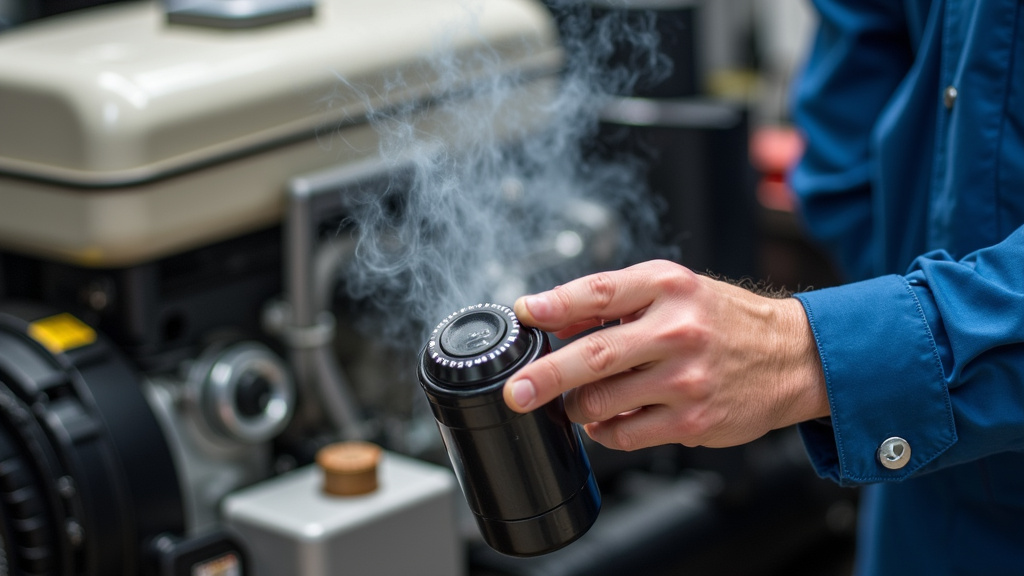
If you suspect oil has entered the air intake or exhaust due to improper tilting, you may need to let it burn off. Start the generator and let it run at a moderate load for about 10-15 minutes. The heat should help burn off any residual oil in the exhaust. If oil entered the intake, it should also be consumed during normal operation.
Monitor the smoke closely. If it’s excessive or doesn’t dissipate after a short period, turn off the generator and investigate further. You might need to clean the air filter if it became saturated with oil. A saturated air filter restricts airflow, impacting engine performance.
Other Potential, Less Common Causes
While overfilling and improper tilting are the most common culprits, a few other issues could contribute to smoke after an oil change. These are less frequent but worth considering if the main fixes don’t resolve the problem.
Using the Wrong Type of Oil
Generators require specific types of oil. Using an oil with the wrong viscosity (thickness) or additives can cause it to burn incorrectly. For example, using motor oil designed for cars in some generator models might not be suitable. Always use the oil grade recommended in your generator’s manual.
The wrong oil might not lubricate properly, leading to increased engine wear and smoking. It could also have a lower flashpoint, causing it to burn off prematurely and create smoke. Many manuals suggest SAE 30 or 10W-30 oil, depending on the ambient temperature.
Damaged Piston Rings or Valves
In rare cases, smoke might indicate pre-existing engine wear. If your generator was already having minor issues with its piston rings or valves, adding fresh oil might temporarily mask them or, in very old engines, contribute to them becoming more apparent. However, this is usually not caused by the oil change itself, but rather revealed by it.
Worn piston rings allow oil to bypass the combustion chamber, leading to blue smoke. Similarly, leaking valve seals can let oil drip into the combustion area. If you’ve confirmed the oil level is correct and the generator wasn’t tilted improperly, and the smoke persists, you might be looking at an internal engine issue. This often requires professional attention.
A Quick Checklist to Get You Back to Smooth Running
Before you get too worried, let’s run through a quick check. This will help you pinpoint the most likely issue:
- Verify Oil Level: Is the oil exactly at the “full” mark, not above it?
- Check Generator Orientation: Did you tilt it during the oil change? If so, was it done according to the manual?
- Inspect Air Filter: Is the air filter oily or saturated?
- Note Smoke Color: Is it blue/bluish-white (oil burning) or white/steam (water in exhaust, less likely after oil change)?
- Observe Smoke Persistence: Does it clear up after a few minutes of running, or does it continue to smoke heavily?
- Confirm Oil Type: Did you use the exact oil recommended in your manual?
By systematically going through these points, you can often identify and resolve the cause of the smoking. Remember, most of the time, it’s just a simple case of a little too much oil or a slight tilt that caused a minor oil leak into the engine’s pathways.
Conclusion
Seeing smoke from your generator after an oil change can be concerning, but as we’ve discussed, it’s most often a simple fix. You’ve learned that overfilling the oil or tilting the generator incorrectly are the leading causes, usually resulting in blue smoke. Other less common issues like using the wrong oil type can also play a role. Your generator is likely not seriously damaged. Before you panic, take a moment to re-check your oil level and how you handled the unit during the change. Often, a quick correction is all your generator needs to run smoothly again.
Frequently Asked Questions
How long should I run my generator to burn off new oil?
You should run your generator for about 10 to 15 minutes under a moderate load. This allows the engine to heat up sufficiently. The heat helps burn off any residual oil that may have entered the combustion chamber or exhaust system. Monitor the smoke during this time.
What does blue smoke from my generator mean after an oil change?
Blue or bluish-white smoke is a strong indicator that oil is burning in the combustion chamber. This typically happens when you’ve overfilled the oil, causing the crankshaft to splash excess oil into the chamber. It can also happen if oil seeped past seals or rings.
Can I just drain the oil and add the correct amount if I overfilled it?
Yes, if you’ve overfilled the oil, you can drain the excess and refill it to the correct level. Consult your manual for the best way to drain oil. Sometimes, carefully removing oil with a syringe from the fill tube is sufficient. Ensuring the oil level is correct is key.
My generator is smoking, but I’m sure I didn’t overfill it or tilt it wrong. What else could it be?
If you’ve ruled out overfilling and improper tilting, check the type of oil you used. Always use the manufacturer’s recommended oil grade and viscosity. If the oil type is correct, persistent smoke could indicate an internal engine issue, like worn piston rings or valve seals, which might require professional service.
Is it safe to run a generator that is smoking after an oil change?
It is generally safe to run a generator briefly to let it burn off a small amount of excess oil, especially if the smoke dissipates quickly. However, if the smoke is excessive, persists for a long time, or is accompanied by unusual noises, turn off the generator immediately. This indicates a more significant problem.