What Causes Generator Extension Cord Getting Hot?
On this page (8 sections)
Your generator extension cord getting hot usually means it’s overloaded or you’re using the wrong gauge cord. Pushing too much power through a cord not designed for it creates excess heat. This is a safety concern you shouldn’t ignore.
An overheating cord is a sign that it might be damaged or simply unable to handle the electrical demand. We found that using the correct, heavy-duty extension cord is key to preventing this heat buildup. It ensures safe and efficient power transfer from your generator.
- Overloading is the main culprit for a hot cord.
- Using an extension cord that’s too thin (wrong gauge) for the generator’s output.
- Damaged cords with frayed wires can also cause dangerous heat.
- Ensure your cord is rated for outdoor use and generator power.
Let’s walk through the common reasons why your generator extension cord might be getting too warm, so you can keep your equipment running safely.
Why Is Your Generator Extension Cord Getting So Hot?
A warm extension cord might seem harmless, but when it starts getting hot to the touch, it’s your generator’s way of signaling trouble. This usually points to an electrical issue that needs your attention right away. Ignoring it can lead to serious problems, from damaged equipment to a fire hazard. Let’s figure out what’s causing this heat buildup so you can keep things safe.
Understanding the Electrical Load
Think of your extension cord like a water hose. If you try to push too much water through a small hose, the pressure builds up, and it might even burst. Electrical cords work similarly. When you plug in too many devices or devices that draw a lot of power, the cord can’t handle the electrical “flow.”
The Amperage Dilemma
The main measure of electrical flow is amperage, often shortened to “amps.” Your generator has a maximum amperage output, and each of your connected appliances has an amperage requirement. You need to make sure the total amperage of your devices doesn’t exceed what the cord can safely carry.
What Happens When You Overload?
When a cord carries more amperage than it’s designed for, it creates resistance. This resistance causes the electrical energy to convert into heat. The hotter the cord gets, the more resistance it’s experiencing. This is why overloading is the most common reason for a hot extension cord. It’s like friction building up from trying to force too much through a small opening.
Calculating Your Needs
To avoid overloading, you need to know the wattage of your appliances. You can usually find this information on a label on the device itself. If you only see voltage and amperage, you can calculate wattage: Watts = Volts x Amps. For example, a 120-volt appliance drawing 10 amps uses 1200 watts.
You then add up the total wattage of all the devices you plan to plug into the extension cord to avoid overheating the cord. Make sure this total is less than the wattage rating of your extension cord. We found that many people underestimate the power draw of appliances like refrigerators or power tools, which can quickly lead to overloading.
The Importance of Cord Gauge (Thickness)
Not all extension cords are created equal. Their thickness, measured by gauge (AWG), plays a huge role in how much electricity they can safely handle. A lower gauge number means a thicker wire, which can carry more power with less resistance.
Gauge and Distance: A Critical Pair
Using the wrong gauge cord is a frequent cause of overheating. A cord that’s too thin for the job simply can’t dissipate the heat generated by the electrical current. This is especially true if the cord is also very long. The longer the cord, the more resistance there is, even with a proper gauge. Therefore, using a thin cord for a long distance is a recipe for a hot cord.
Matching Cord to Generator Output
Your generator will have a specified wattage output. You need an extension cord that can handle at least that much power, preferably with some extra capacity. For generators, you’ll typically want heavy-duty cords. We’ve seen many instances where a standard indoor extension cord was used with a generator, leading to rapid heating.
Understanding Wire Gauge Numbers
Here’s a general guide:
- 16-gauge: Light-duty, for small electronics, short distances (under 50 feet).
- 14-gauge: Medium-duty, for moderate appliances, longer distances (up to 100 feet).
- 12-gauge: Heavy-duty, for higher-wattage tools, appliances, and longer runs.
- 10-gauge: Extra-heavy-duty, for very high-wattage loads, generators, and very long distances.
Always check the cord’s packaging for its gauge and maximum wattage rating. Many experts suggest selecting a cord with a gauge that’s one size thicker than you think you need, especially for generator use (e.g., 12-gauge instead of 14-gauge).
A Quick Comparison Table
This table shows how gauge affects capacity and distance. Remember, these are general guidelines; always check the cord’s specific rating.
| Wire Gauge (AWG) | Max Amps (Approximate) | Max Wattage (at 120V, Approximate) | Recommended Max Length |
|---|---|---|---|
| 16 AWG | 7 Amps | 840 Watts | 25 feet |
| 14 AWG | 10 Amps | 1200 Watts | 50 feet |
| 12 AWG | 15 Amps | 1800 Watts | 100 feet |
| 10 AWG | 20 Amps | 2400 Watts | 100+ feet |
As you can see, a thicker cord (lower gauge number) can handle more power and longer distances before overheating. Don’t take shortcuts here; the right gauge is essential for safety.
Physical Damage to the Cord
Even if you’re using the correct gauge cord and not overloading it, physical damage can still cause overheating. Over time, extension cords can suffer wear and tear.
Frayed Wires and Exposed Conductors
Look closely at your cord. Are there any nicks, cuts, or abrasions in the outer jacket? If you can see the inner wires, especially if they look damaged or frayed, this is a serious problem. Exposed conductors can lead to short circuits and intense heat buildup in those specific spots. It’s like a tiny pinch point where all the electrical pressure has to squeeze through a smaller, damaged area.
Crushed or Kinked Cords
If a cord has been run over by a car, stepped on repeatedly, or severely kinked, the internal wires might be damaged or compressed. This compression restricts the flow of electricity and creates hot spots. Think of stepping on a garden hose – it definitely affects the water flow!
Damaged Plugs and Connectors
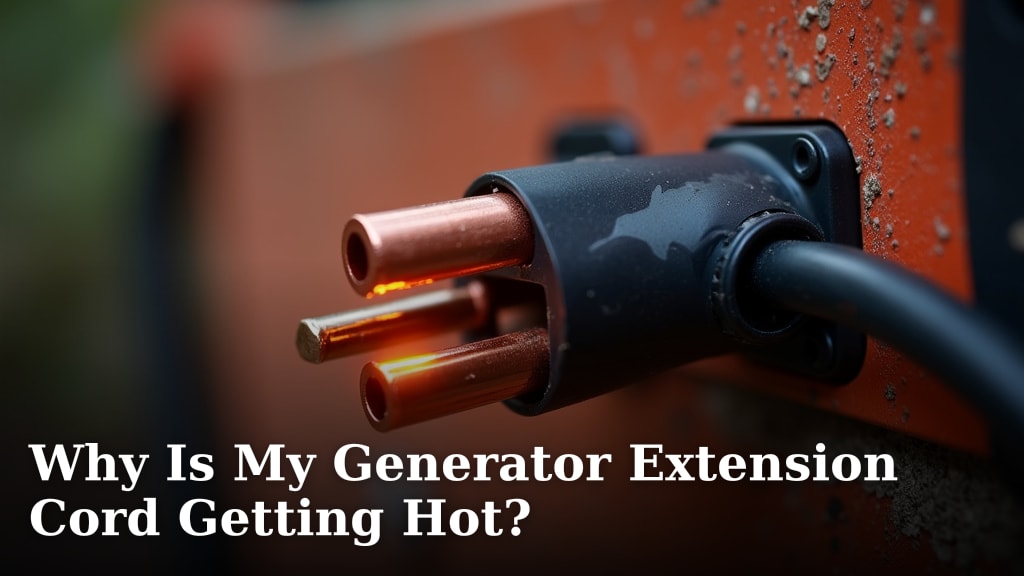
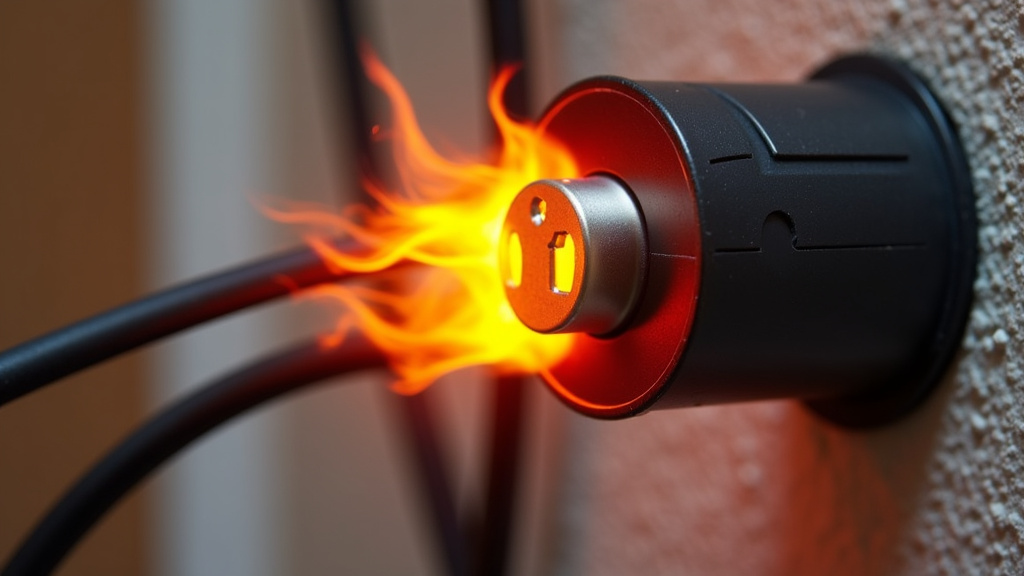
The ends of the cord, where you plug into the generator and your devices, are also points where damage can occur. If the prongs are bent, loose, or corroded, or if the connector housing is cracked, it can create a poor connection. A bad connection means higher resistance, which means more heat.
Environmental Factors and Cord Condition
Where and how you store and use your cord also matters. Certain environmental conditions can contribute to a cord getting hot.
Weather Exposure
Extension cords used outdoors need to be rated for such use. Exposure to sunlight, rain, snow, and extreme temperatures can degrade the cord’s insulation over time. This makes it more susceptible to damage and heat buildup. Always use cords specifically marked for outdoor use.
Storage Issues
Improper storage can also be a culprit. Leaving cords coiled too tightly for extended periods, especially in warm conditions, can trap heat. Also, storing them near chemicals or sharp objects increases the risk of nicks and cuts. Many experts recommend loosely coiling cords when storing them, ideally in a dry, cool place.
Age of the Cord
Like anything else, extension cords have a lifespan. An old, brittle cord is more likely to have internal damage or weakened insulation. If your cord looks worn out, feels stiff, or has been through a lot, it might be time for a replacement extension cord. Research indicates that aging insulation can compromise its ability to handle electrical loads safely.
Checklist for a Cooler Cord
To help you identify and prevent your generator extension cord from getting hot, here’s a quick checklist:
- Verify wattage: Ensure total appliance wattage is below cord rating.
- Check gauge: Use a thick gauge (low AWG number) cord for generators.
- Inspect for damage: Look for cuts, nicks, or exposed wires.
- Examine plugs: Make sure prongs are straight and connections are secure.
- Consider length: Use the shortest cord possible for your needs.
- Use outdoor-rated cords: If using outside, ensure it’s designed for it.
Conclusion
Keeping your generator extension cord from overheating is all about making smart choices. You’ve learned that overloading, using the wrong cord gauge, and physical damage are the main culprits. By matching your cord’s capacity to your generator’s output and your appliances’ needs, you prevent dangerous resistance. Always inspect your cords for wear and tear. Taking these steps ensures your generator setup is safe and reliable for any situation. Your next step is to visually inspect your current extension cords and compare them against the guidelines we’ve discussed.
Frequently Asked Questions
Can I use any extension cord with my generator?
No, you shouldn’t use just any extension cord. For generators, you need a heavy-duty cord with the correct gauge (thickness) and wattage rating. Using standard indoor cords can quickly lead to overheating and pose a safety risk.
How do I know if my extension cord is too thin for my generator?
If your cord is getting hot to the touch, especially when connected to your generator, it’s likely too thin or not rated for the power output. Always check the cord’s gauge (AWG) and compare it to your generator’s wattage and the total wattage of the devices you plan to run.
What does “gauge” mean for extension cords?
Gauge (AWG) refers to the thickness of the wire inside the cord. A lower gauge number, like 10 or 12, means a thicker wire that can safely carry more electrical current and dissipate heat better. A higher gauge number, like 16, is for lighter loads and shorter distances.
Is it safe to use a long extension cord with my generator?
Using a very long extension cord increases electrical resistance, which can lead to heat buildup even with the correct gauge. If you need a long run, choose a thicker gauge cord (e.g., 10-gauge or 12-gauge) and ensure its wattage rating exceeds your total power needs.
What if my extension cord has a small nick in the rubber?
Even a small nick or abrasion in the outer jacket is a concern. It can expose the inner wires, leading to a higher risk of short circuits and concentrated heat. We’ve found that damaged cords, no matter how small the damage seems, should be replaced immediately for safety.