What Causes Generator Outlet Not Producing Power?
On this page (6 sections)
If your generator outlet isn’t producing power, it’s often due to a tripped breaker or a loose connection. You might also have an issue with the generator’s fuel or a faulty outlet itself. Finding the cause quickly is important to get your backup power running.
We know how frustrating it is when your generator suddenly stops working, especially during an outage. Many things can cause this, from simple fixes you can do yourself to more serious problems. Understanding these common culprits can save you time and worry when you need power most.
- Check your generator’s breaker first.
- Ensure it has enough fuel and oil.
- Inspect the outlet for damage.
- Look for loose wiring connections.
- Consider if the generator itself has a fault. Consider if the generator itself has a fault; our guide explains why your generator’s electric start might not be working.
Let’s walk through the most common reasons why your generator outlet might not be delivering power so you can troubleshoot effectively.
Troubleshooting Your Generator Outlet’s Power Woes
Discovering that your generator outlet isn’t producing power can be a real head-scratcher, especially when you’re counting on it. It’s not just about a dead outlet; it’s about the comfort and safety your generator is supposed to provide. Let’s figure out what might be going on.
Common Culprits for a Silent Generator Outlet
When electricity doesn’t flow from your generator’s outlet, it’s usually due to a few recurring issues. We’ll start with the simplest checks you can perform yourself.
The Humble Tripped Breaker: A First Line of Defense
This is often the most common reason for a lack of power. Think of a circuit breaker as a tiny, automatic safety switch. It’s designed to protect your generator and connected appliances from electrical overloads or short circuits. When too much power tries to flow through a circuit, the breaker “trips,” shutting off the flow. This prevents damage.
How to Check Your Generator’s Breaker:
- First, locate the breaker panel on your generator. It usually looks like a small switch or a row of switches.
- Look for a breaker that is in the “off” position or is in a middle position between “on” and “off.” Sometimes tripped breakers don’t move all the way to “off.”
- To reset it, firmly push the switch to the “off” position, and then move it back to the “on” position.
- Test the outlet again.
If the breaker trips again immediately after resetting, it indicates a more serious issue. You might have a short circuit in your wiring or a problem with the appliance you’re trying to power. Trying to reset a breaker repeatedly without addressing the root cause can damage the generator (National Electrical Code).
Fuel and Fluid Levels: The Generator’s Lifeblood
A generator can’t run without the right fuel and oil. It sounds basic, but many people forget this step during a stressful outage. Most portable generators run on gasoline, while larger standby generators might use propane or natural gas. Low fuel is a direct reason for no power.
Fuel Checks:
- Ensure you have enough fresh gasoline in the tank. Old gasoline can lose its potency and cause starting problems or inefficient running.
- If your generator uses propane, check that the tank is connected and has sufficient gas.
- For natural gas generators, confirm that the gas supply line is open and functioning.
Oil Level: Many generators have a low-oil shutoff sensor. If the oil level drops too low, the generator will stop itself to prevent engine damage. Always check your owner’s manual for the correct oil type and level.
Loose Connections and Damaged Wiring: The Hidden Dangers
Electrical power relies on clean, secure connections. Any loose wire within the generator itself, at the outlet receptacle, or in the extension cord can interrupt the flow of electricity. Vibrations from the generator running can sometimes cause these connections to loosen over time.
Inspect Your Extension Cords:
- Are you using a heavy-duty extension cord rated for the wattage your generator can supply and the load you’re trying to power? Using an undersized cord can cause overheating and power loss.
- Check the plug and receptacle ends of the extension cord for any signs of damage, melting, or bent pins. A damaged cord is a fire hazard.
Examine the Generator Outlet: The outlet on the generator itself can also be a source of problems. Look for any physical damage, cracks, or signs of scorching. A damaged outlet needs to be replaced by a qualified technician. For other possible remedies, see our guide to products for outlet problems.
Faulty Outlets: When the Receptacle Itself is the Problem
Sometimes, the issue isn’t with the generator’s internal workings but with the outlet where you plug things in. Over time, outlets can wear out or become damaged, leading to poor electrical contact or complete failure.
What to Look For:
- Visual inspection is key. Look for any discoloration, burn marks, or cracks in the plastic.
- Check if the prongs of your plug fit snugly into the outlet. A loose fit means a bad connection.
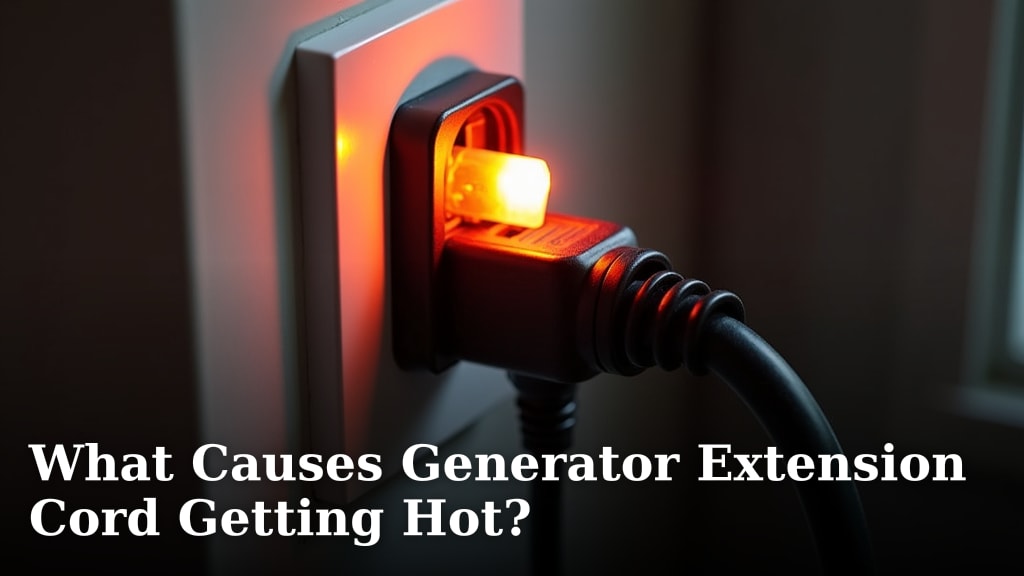
- You might notice the outlet feels warm to the touch when it shouldn’t be. This is a sign of a potential problem.
If you suspect the outlet is faulty, it’s best to have it inspected and potentially replaced. This is a job for someone experienced with electrical work to ensure it’s done safely and correctly (Occupational Safety and Health Administration).
Deeper Generator Issues: When Simple Fixes Don’t Work
If you’ve gone through the basic checks and your generator outlet still isn’t producing power, the problem might lie deeper within the generator itself. These issues often require a bit more technical know-how or professional assistance.
The Inverter or Control Board: The Generator’s Brain
Modern generators often have an inverter or a sophisticated control board that manages power output and safety features. If this component fails, it can result in no power being sent to the outlets.
Signs of a Failing Board:
- The generator starts and runs, but no power comes out of the outlets.
- Warning lights or error codes might appear on the generator’s display, if it has one.
- Intermittent power loss or fluctuating voltage.
These are electronic components, and their failure can be due to age, electrical surges, or manufacturing defects. Repairing or replacing these parts is typically a job for a certified generator technician.
Ground Fault Circuit Interrupter (GFCI) Protection
Many modern generator outlets, especially those designed for outdoor use or near water sources, are equipped with GFCI protection. A GFCI outlet monitors the flow of electricity and shuts off power if it detects an imbalance, indicating a potential ground fault. This is a safety feature to prevent electric shock.
How GFCI Works:
- You’ll typically see “Test” and “Reset” buttons on the outlet itself.
- If the GFCI trips, pressing the “Reset” button should restore power.
- If it trips frequently, it means there’s a ground fault somewhere in the circuit, or the GFCI outlet itself might be faulty.
A tripped GFCI is a safety indicator. While it might feel like a faulty outlet, it’s usually doing its job by detecting a problem. You’ll need to identify and fix the underlying cause of the ground fault before the GFCI will stay reset (Consumer Product Safety Commission).
Carburetor or Fuel System Blockage: For Gas Generators
For gasoline-powered generators, a clogged carburetor or fuel line can prevent the engine from running properly, or at all. This is especially common if the generator hasn’t been used in a while, or if stale fuel was left in the tank.
Symptoms of Fuel System Issues:
- The generator struggles to start.
- The engine runs unevenly or sputters.
- The generator starts but dies after a short period.
Cleaning or rebuilding a carburetor can be a delicate task. If you’re not comfortable with small engine mechanics, it’s often best left to a professional who can ensure it’s done correctly.
Voltage Regulator Problems: Ensuring Stable Power
The voltage regulator is responsible for maintaining a consistent voltage output from your generator. If it malfunctions, it can cause low generator voltage, which might prevent your connected devices from receiving power, or worse, damage them.
What to Expect:
- Inconsistent power delivery.
- Connected devices may not turn on or may behave erratically.
- In some cases, a faulty regulator can prevent the generator from producing any usable AC power.
Troubleshooting a voltage regulator typically requires specialized testing equipment. If you suspect this is the issue, it’s time to call in a generator expert.
Quick Checklist for When Your Generator Outlet is Dead
Don’t let a silent outlet keep you in the dark. Run through these quick checks:
- Breaker Check: Did the generator’s circuit breaker trip? Reset if needed.
- Fuel Level: Is there enough fresh fuel in the tank?
- Oil Level: Is the engine oil at the proper level?
- Cord Condition: Is your extension cord undamaged and properly rated?
- GFCI Reset: If the outlet has GFCI buttons, try pressing “Reset.”
- Visual Inspection: Look for any obvious damage to the outlet or cords.
By systematically going through these possibilities, you can often pinpoint the reason why your generator outlet isn’t delivering the power you need and get back up and running faster.
Conclusion
We’ve walked through the common reasons why your generator outlet might not be producing power. From simple tripped breakers and low fuel to more complex issues like faulty wiring or internal generator faults, there’s a clear path to troubleshooting. Remember to always prioritize safety; if you’re ever unsure or dealing with electrical issues that seem beyond your comfort level, don’t hesitate to call a qualified technician. Your first step should always be a quick visual check and breaker reset. If that doesn’t solve it, systematically work through the other possibilities.
Frequently Asked Questions
How often should I test my generator?
It’s a good practice to test your generator monthly for at least 15-30 minutes. This ensures the engine runs, the battery stays charged, and the outlets are functional. Regular testing helps prevent issues like fuel degradation and ensures your generator is ready when you need it most.
Can I use a regular household extension cord with my generator?
No, you should not use a regular household extension cord. Generators produce a lot of power, and you need a heavy-duty extension cord specifically rated for outdoor use and the wattage your generator supplies. Using the wrong cord can cause overheating, fire hazards, and insufficient power delivery.
What does it mean if my generator outlet has GFCI buttons?
GFCI stands for Ground Fault Circuit Interrupter. These buttons (usually “Test” and “Reset”) are a safety feature that monitors electrical flow and shuts off power if it detects an imbalance, like current leaking to the ground. If the GFCI trips, press the “Reset” button to restore power. Frequent tripping indicates a safety issue that needs addressing.
Why won’t my generator start, even though the outlets seem fine?
If your generator won’t start at all, the issue is likely with the engine itself rather than the outlets. Common reasons include a lack of fuel or oil, a clogged fuel line or carburetor, a fouled spark plug, or a dead battery (if it’s electric start). You’ll need to troubleshoot the engine’s starting system first.
Is it safe to reset a tripped breaker multiple times?
It is generally not safe to repeatedly reset a tripped breaker. A breaker trips for a reason, usually an overload or a short circuit. Continuously resetting it without fixing the underlying problem can damage the generator or connected appliances and could potentially lead to a fire. If a breaker trips again after resetting, it’s a sign of a more serious issue requiring professional attention.