
Why Is My Generator Electric Start Not Working?
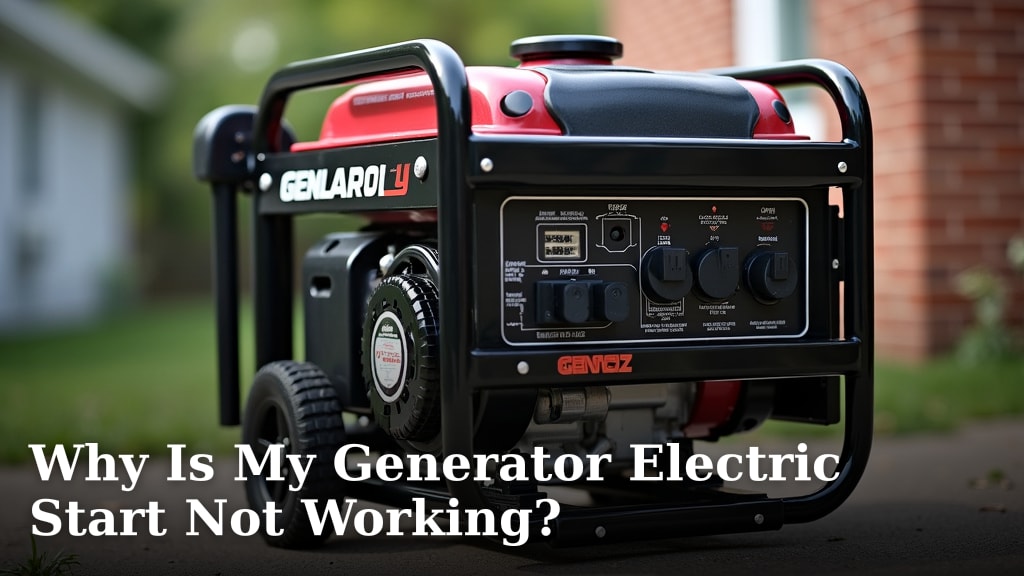
Your generator electric start is not working typically because of a dead battery, a
Troubleshooting Your Generator’s Electric Start Button
If your generator’s electric start isn’t working, it usually points to a few common culprits. We’ll walk through these issues step-by-step, helping you pinpoint the problem.
Battery Issues: The Silent Saboteur
A dead or weak battery is the number one reason electric start generators fail to crank. Think of it like your car; without enough juice, nothing happens. It’s often the simplest fix.
Checking Your Generator Battery’s Charge
First, visually inspect your battery. Are there any obvious signs of damage or corrosion on the terminals? Corrosion can prevent a good electrical connection.
Next, use a voltmeter to check the battery’s voltage. A fully charged 12-volt battery should read around 12.6 to 12.8 volts. Anything significantly lower suggests a problem (Battery University).
If your generator has a battery indicator light or a built-in meter, check that too. These can give you a quick, though sometimes less accurate, assessment of the charge level.
Jump-Starting Your Generator (Safely!)
If the battery is just low, a jump start might get you going. You can use a car battery or a portable jump starter. Remember to always connect the positive (+) terminals first, then the negative (-) terminals.
Connecting them incorrectly can cause sparks, damage the battery, or even hurt you. Safety first, always!
Let it charge for a few minutes, then try starting the generator. If it starts, let it run for a while to allow its charging system to replenish the battery.
When to Replace Your Generator Battery
Sometimes, a battery is beyond saving. If it won’t hold a charge after a jump, or if it’s very old, it might be time for a new one. Most generator batteries last 2-4 years, depending on use and maintenance.
Look for the manufacturing date on the battery. If it’s pushing five years, even if it worked last season, its internal cells might be worn out.
Starter Motor Problems: The Heart of the Start System
If your battery is good, but the generator still won’t crank, the starter motor could be the issue. This little workhorse is responsible for turning the engine over.
Diagnosing a Faulty Starter Motor
When you press the start button, do you hear a click, nothing at all, or a grinding sound? These are clues.
- No sound: Could be a bad connection, a faulty solenoid, or a completely dead starter.
- A click: Often means the starter motor is trying to engage but isn’t getting enough power to turn the engine. This could still indicate a weak battery, even if it tests okay, or a sticky solenoid.
- Grinding sound: This often suggests the starter gear isn’t engaging properly with the engine’s flywheel.
Sometimes, the starter motor simply wears out. It has moving parts, and over time, brushes and other components can fail.
Wiring and Connections: Invisible Tripwires
Even the best components won’t work if their connections are loose or corroded. Electrical problems can be tricky to find, like hunting for a needle in a haystack.
Checking for Loose or Corroded Wires
Carefully inspect all visible wiring, especially around the battery, starter motor, and kill switch. Look for wires that might be chewed by rodents, frayed, or disconnected.
Corrosion can build up on terminals, especially where wires connect to the battery or ground. A wire brush and some baking soda paste can clean terminals effectively. Make sure your generator is off before cleaning any electrical components.
Grounding Issues
A proper ground connection is essential for any electrical system. If the generator isn’t properly grounded, the electric start won’t work. Check the main ground cable from the battery to the generator frame.
Ensure it’s securely attached and free of rust or paint that could interfere with conductivity.
Safety Interlocks: Unseen Protectors
Many generators have safety features that prevent them from starting under certain conditions. These are there to protect you and the machine, but they can be confusing when you’re troubleshooting.
Low Oil Shut-Off
Most modern generators have a low oil shut-off. If the oil level is too low, the generator simply won’t start. This prevents serious engine damage.
Check your oil level. It’s a simple, quick step that often solves the problem. Top it off if needed, using the recommended oil type for your generator (read your owner’s manual for specifics).
Overload Protection
Some generators won’t start if an overload breaker has tripped. This feature protects the generator from damage due to too many appliances pulling power.
Check the circuit breakers on your control panel. Reset any that are tripped. It’s a small detail that’s easy to overlook when you’re focused on starting the engine.
Fuel System and Engine Health: Beyond the Electric Start
While we’re focusing on the “electric start” itself, remember that the generator still needs fuel and proper engine conditions to catch. If the electric components are fine, the problem might be elsewhere.
Fresh Fuel is Key
Stale fuel is a common culprit for starting problems. If your generator has been sitting for a while, especially with ethanol-blend gas, the fuel can degrade and gum up the system.
Drain old fuel and replace it with fresh, stabilized gasoline. Many experts recommend adding fuel stabilizer if you plan to store your generator for more than a month (Briggs & Stratton).
Spark Plug Condition
A dirty or faulty spark plug can prevent the engine from firing. If the electric starter is cranking but the engine isn’t catching, check the spark plug.
Remove it and inspect it for signs of fouling (carbon buildup) or damage. Replace it if it looks worn or dirty. Make sure the gap is set correctly according to your generator’s manual.
Baffled? Here’s a Quick Troubleshooting Checklist:
Feeling a bit overwhelmed? Don’t worry, we’ve broken it down into actionable steps. Here’s a simple checklist to guide you through:
- Double-check the fuel level and ensure it’s fresh.
- Verify the oil level is correct and topped off.
- Inspect the battery terminals for corrosion and clean them.
- Test the battery voltage with a voltmeter or use a jump starter.
- Locate and reset any tripped overload breakers or safety switches.
- Check all visible wiring for damage or loose connections.
Comparing Common Starting Problems
To help you better understand potential issues, here’s a quick comparison of what different symptoms might indicate:
| Symptom | Likely Cause(s) | What to Check First |
|---|---|---|
| No sound, no crank when pressing start button. | Completely dead battery, completely dead starter, main fuse, or faulty safety switch. | Battery charge, main fuses, safety interlocks. |
| Clicking sound, but no crank. | Weak battery, faulty starter solenoid, poor connections to starter. | Battery charge, battery terminals, starter solenoid connections. |
| Starter grinds, but engine doesn’t turn. | Starter gear not engaging flywheel, damaged flywheel teeth. | Inspect starter gear and flywheel (may require professional help). |
| Engine cranks, but won’t start. | Stale fuel, clogged carburetor, dirty spark plug, no spark. | Fuel level/freshness, spark plug, air filter. |
| Generator starts, then quickly dies. | Low oil pressure, clogged fuel filter, carburetor issues. | Oil level, check fuel filter, proper ventilation. |
This table can act as a quick reference when you’re trying to figure out what’s really happening inside your generator.
When to Call a Professional
We understand the urge to fix things yourself, but sometimes, it’s best to call in the experts. If you’ve tried all the basic troubleshooting steps and your generator still isn’t working, it might be time for a professional technician.
Complex electrical issues, internal engine problems, or carburetor overhauls are often beyond the scope of a typical home mechanic. Don’t risk further damage or your safety by attempting repairs you’re not equipped to handle.
A qualified technician can quickly diagnose and fix these more complex issues, getting your generator back up and running safely.
Conclusion
Dealing with a non-starting generator can be frustrating. However, by systematically checking the battery, starter motor, wiring, and safety interlocks, you can often find the problem yourself. Remember to prioritize safety and follow your owner’s manual for specific instructions.
Many common issues come down to a dead battery or simple oversight. If your troubleshooting efforts don’t resolve the issue, or if you encounter more complex electrical or engine problems, it’s wise to call a professional. Your goal is a reliable generator, safely operating when you need it most.
Frequently Asked Questions
How often should I test my generator’s electric start?
You should test your generator’s electric start at least once a month. This ensures the battery is charged and all components are working correctly. It prepares your generator for unexpected power outages.
Can a dirty spark plug prevent an electric start from working?
Yes, a dirty or fouled spark plug won’t prevent the electric starter from spinning the engine. However, it will keep the engine from actually catching and running. If the starter motor turns the engine but it doesn’t fire, check the spark plug.
Is it safe to leave my generator battery connected all the time?
It’s generally safe to leave it connected, but using a trickle charger or battery maintainer is better for long-term health. This keeps the battery optimally charged without overcharging. Disconnecting the negative terminal for extended storage is also an option.
My generator makes a clicking sound but doesn’t start. What does that mean?
A clicking sound usually means the starter solenoid is trying to activate but isn’t getting enough power to fully engage the starter motor. This often points to a weak or dead battery. It could also signal loose or corroded battery terminals.
How can I prevent my generator battery from dying when not in use?
To prevent battery death, use a battery tender or trickle charger when the generator is stored. Start your generator monthly and let it run for about 15-20 minutes to keep the battery charged. Store it in a temperate environment if possible.
