Why Is My Generator Outlet Not Producing Power?
On this page (9 sections)
Your generator outlet isn’t producing power because of common issues like a tripped circuit breaker, a faulty GFCI outlet, or a loose connection. It’s frustrating when you need that backup power. We’ll help you pinpoint the cause of the outage.
Don’t let a dead outlet leave you in the dark. Understanding these potential problems is key to restoring your generator’s functionality. Many generators have built-in safety features that can cause an outlet to stop working. We found that simple fixes often solve the problem.
- Tripped circuit breakers are a frequent culprit.
- GFCI outlets have a reset button that might need pressing.
- Loose wiring or a damaged outlet can interrupt power flow.
- Generator overload can also cause an outlet to shut down. Generator overload can also cause an outlet to shut down; learn how to calculate your generator’s wattage needs.
- Check your generator’s manual for specific troubleshooting steps.
Let’s walk through some of the most common reasons your generator outlet might be letting you down. We’ll guide you through checking these simple things so you can get your power back on.
Troubleshooting Your Generator Outlet’s Power Output
When your generator outlet suddenly stops producing power, it can be a real head-scratcher. You rely on that power, especially during an outage. Don’t worry, we’ve found that most of the time, the issue is something you can fix yourself with a little guidance. Let’s figure out why your outlet might be playing dead.
Checking the Most Common Culprits
Is the Circuit Breaker Tripped?
This is by far the most common reason your generator outlet might not be working. Think of a circuit breaker like a safety gatekeeper for your electrical system. When too much power tries to flow through, it trips to prevent damage. You’ll often see a small switch flipped to the “off” or middle position.
What to do: Locate your generator’s breaker panel. You might find it on the side of the generator itself. Look for a switch that’s not in the “on” position. Sometimes, you’ll need to push it firmly to the “off” position first, and then back to “on.” This reset a generator outlet.
The GFCI Outlet Mystery
Many modern generator outlets are Ground Fault Circuit Interrupter (GFCI) outlets. These have a couple of small buttons on them, usually labeled “Test” and “Reset.” GFCI outlets are designed to shut off power if they detect a dangerous difference in the current flowing in and out, which can happen if electricity finds another path, like through water or a person. This is a safety feature.
What to do: Press the “Reset” button firmly. If it clicks and you hear a small pop, it might have been tripped. If the outlet still doesn’t work after pressing reset, it might be faulty or there could be a deeper issue. We’ve found that sometimes these buttons can be finicky.
Loose Connections and Wiring Woes
Sometimes, the problem isn’t with the generator itself but with the outlet’s wiring. Over time, wires can become loose, especially if the outlet has been used frequently or if there was an issue during installation. A loose connection means the electrical path is broken, and no power can get through.
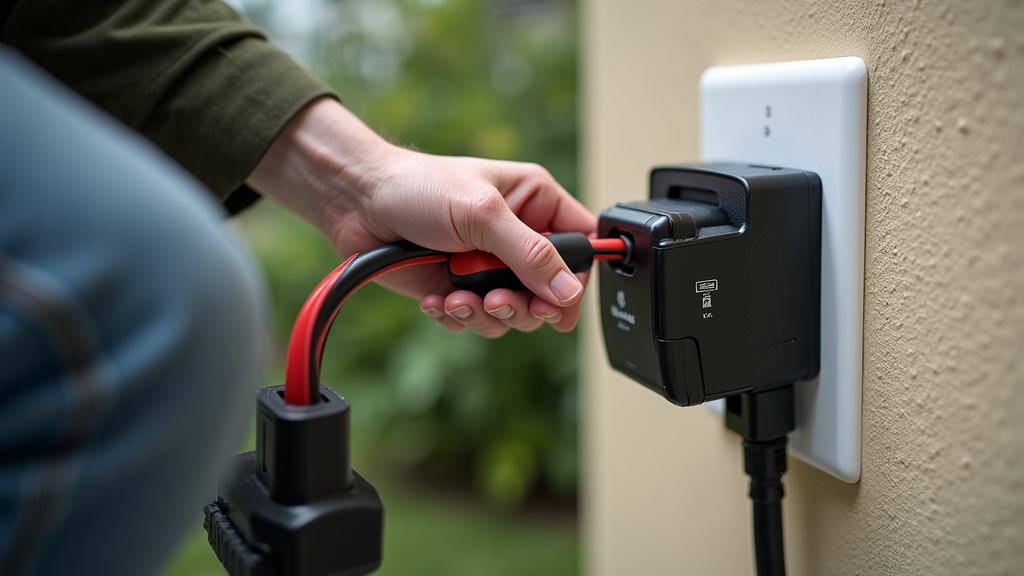
What to do: This requires a bit more caution. Turn off the generator completely before inspecting anything. If you’re comfortable and know how to do it safely, you can remove the outlet cover plate and check if the wires are securely attached to the terminals. If you see any wires that are loose, frayed, or disconnected, this is likely your problem. If you’re unsure, it’s always best to call a qualified electrician.
Is Your Generator Overloaded?
Understanding Generator Capacity
Generators have a maximum power output they can handle. If you try to run too many appliances or devices at once, you can causes of dead outlets. This doesn’t just affect your main power; it can cause specific outlets to shut down as a protective measure.
What to do: Check the wattage requirements for all the devices you’re trying to power. Compare this total to your generator’s rated running wattage (not just the starting wattage). Unplug some devices and see if the outlet starts working again. You might need to use a smaller load or a generator with a higher capacity.
Identifying Overload Indicators
Some generators have indicator lights or digital displays that will show if they are overloaded. Pay attention to these signals. A common indicator is a red light that illuminates or a message on a screen. This tells you the generator is struggling to keep up.
What to do: Disconnect appliances one by one until the indicator light goes off or the message disappears. This helps you pinpoint which appliance is causing the overload. Many users found it helpful to create a list of their essential appliances and their wattage needs before a power outage. This prevents guesswork when you’re in a stressful situation.
Generator-Specific Safety Features
Low Oil Shutoff Systems
Many generators have a built-in safety feature that automatically shuts off the engine if the oil level gets too low. This is crucial for protecting the engine from damage. While this usually shuts down the entire generator, in some models, it might also disable the outlets.
What to do: Check your generator’s oil level. Make sure it’s within the recommended range indicated by the dipstick. If it’s low, add the correct type of oil as specified in your generator’s manual. Once the oil level is correct, you might need to restart the generator.
Over-Temperature Protection
Generators can also overheat, especially if they’re running for long periods in hot weather or are not properly ventilated. Similar to overload protection, many units have a mechanism to shut down or disable outlets to prevent damage from excessive heat.
What to do: Ensure your generator has plenty of ventilation. Don’t place it in an enclosed space like a garage without proper exhaust venting. If the generator feels excessively hot to the touch, turn it off and let it cool down completely. Once cooled, try restarting it.
When to Consult Your Generator’s Manual
Every generator is a bit different. While these common issues apply to most units, your specific model might have unique troubleshooting steps or indicators. Your generator’s manual is your best friend in these situations. It contains detailed information about its features, safety systems, and troubleshooting guides.
What to do: Locate your generator’s manual. If you don’t have a physical copy, search online for your generator’s make and model number to find a digital version. Look for the troubleshooting section. It will often have a flow chart or a list of potential problems with solutions specific to your generator.
Checklist: Quick Steps to Restore Power
Here’s a quick rundown of what you can check:
- Inspect Breakers: Locate and reset any tripped circuit breakers on the generator.
- Test GFCI: Press the “Reset” button on GFCI outlets.
- Check Oil Level: Ensure your generator has sufficient oil.
- Reduce Load: Unplug some devices to see if the outlet works with fewer appliances.
- Inspect Wiring (Cautiously): If comfortable, check for loose connections (ensure generator is off!).
- Consult Manual: Refer to your generator’s specific troubleshooting guide.
When to Call a Professional
If you’ve gone through these steps and your generator outlet still isn’t producing power, it’s time to bring in the experts. Electrical issues can be complex and sometimes dangerous. Continuing to troubleshoot without understanding the root cause could potentially cause further damage or create a safety hazard.
What to do: Contact a qualified electrician or a generator repair service. They have the tools and expertise to diagnose more complex problems, such as internal wiring faults, a damaged outlet receptacle, or issues within the generator’s electrical system that aren’t visible or easily fixable by the average user. Don’t hesitate to seek professional help when you need it.
Conclusion
You’ve learned that a silent generator outlet is usually a solvable problem. We found that common issues like tripped breakers, a fussy GFCI, or even just a loose wire are often the culprits. Before calling for help, remember to check your generator’s oil and ensure it’s not overloaded. Your generator’s manual is your best guide for model-specific fixes. If you’ve tried these steps and still have no power, it’s time to reach out to a qualified electrician to ensure your safety and get your power restored.
Frequently Asked Questions
Can a dirty generator outlet cause power issues?
Yes, a dirty or corroded outlet can create a poor connection, preventing power flow. We recommend unplugging your generator and outlet contact cleaner or a soft brush to gently clean the inside of the outlet receptacle. Ensure it’s completely dry before plugging anything back in.
How do I know if my generator is overloaded?
You might see an overload indicator light on your generator, or certain outlets may stop working. We’ve found that carefully checking the wattage requirements of your connected appliances against your generator’s capacity is the best way to prevent this. Simply unplugging a few devices can often tell you if overloading was the problem.
Is it safe to reset a tripped breaker on a generator?
Yes, resetting a tripped breaker on your generator is generally safe and a standard troubleshooting step. Make sure to push the breaker firmly to the “off” position first, then back to “on” to fully reset it. If it trips again immediately, there might be a short circuit or an overload situation you need to investigate further.
What’s the difference between a generator outlet and a regular household outlet?
Generator outlets are specifically designed to handle the potentially fluctuating power output of a generator and often have higher amperage ratings. They are typically more rugged and may include safety features like GFCI protection. Regular household outlets are connected directly to your home’s main electrical panel.
If my generator is running but the outlet isn’t working, could the outlet itself be broken?
Absolutely. While less common than breaker or GFCI issues, the outlet receptacle itself can become damaged over time from wear and tear or electrical surges. If you’ve checked everything else and are comfortable doing so, a visual inspection for cracks or burn marks on the outlet can be informative, but replacement is best left to an electrician.