
Why Is My Generator Tripping the Circuit Breaker?
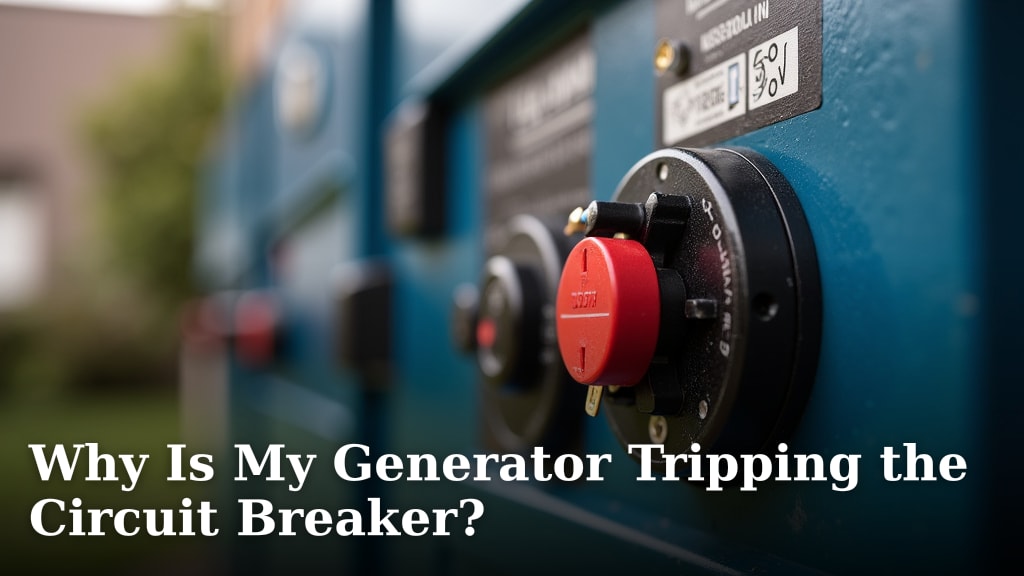
Your generator is tripping the circuit breaker most often because of an overload or a short circuit. This safety feature protects both your generator and anything connected to it. It prevents electrical damage and can even save you from a fire risk.
When your generator trips, it’s a clear signal that something is wrong. You might be asking for too much power, or there could be a fault in the wiring. Understanding these basic causes helps you troubleshoot the problem quickly and safely. We found that addressing these issues promptly keeps your power flowing.
- Generator trips to prevent damage.
- Likely causes are overload or short circuit.
- Overload means too many devices plugged in.
- Short circuits point to electrical faults.
- Fixing these issues ensures safety and reliability.
Let’s walk through exactly why your generator might be tripping and what steps you can take to fix it. We’ll help you get your power back on without any fuss.
Understanding Why Your Generator Won’t Stay On
When your generator trips, it’s usually trying to tell you something important. It’s a safety mechanism. This protective feature keeps your unit safe from harm. It also prevents damage to your plugged-in devices.
We found that the vast majority of generator trips fall into two main categories: overloading the generator or experiencing a short circuit. Let’s break down what these mean for you.
The Overload Problem: Too Many Appliances
Think of your generator like a sturdy workhorse. It can pull a certain amount of weight. If you load too much onto it, it will eventually stop. That’s what an electrical overload is.
An overload happens when you connect too many devices. Or you might connect devices that need too much power. Your generator simply can’t handle the combined electrical draw.
How Does Overload Happen?
Imagine your home’s circuits. Each has a limit. Your generator is no different. Every generator has a specific wattage rating. This rating tells you its maximum power output. Exceeding this rating causes an overload.
Many people make this mistake. They plug in their refrigerator, a television, and maybe a few fans. Then they add a toaster oven. Suddenly – click! The generator trips. It’s trying to save itself, and your home, from damage.
Identifying an Overload
How can you be sure it’s an overload? You’ll often notice the trip happens shortly after you plug in a new device. Or it might happen when multiple high-power items are running at the same time. These could be things like hair dryers, microwaves, or power tools.
Look at the devices you have plugged in. Are they all high-wattage items? Did you add a new one right before the trip? These are strong clues that you’re dealing with an overload issue.
The Short Circuit Issue: A Hidden Electrical Fault
A short circuit is a different beast entirely. This isn’t about using too much power. It’s about electricity taking an unintended path. It’s a dangerous situation that needs immediate attention.
A short circuit occurs when bare wires touch. Or it can happen if a faulty appliance creates a direct connection. This creates a surge of current. Your breaker trips to prevent overheating and potential fires.
Where Do Short Circuits Occur?
We found short circuits can happen in many places. They might be within the generator itself. They could also be in the extension cords you’re using. Sometimes, the problem is in one of your appliances.
Old, frayed extension cords are common culprits. Inspect your cords regularly. Worn insulation can expose wires. This creates a perfect scenario for a short circuit. Appliances with internal wiring problems can also cause this issue (Consumer Product Safety Commission).
Recognizing a Short Circuit
Unlike an overload, a short circuit usually trips the breaker instantly. There’s no gradual build-up of power. It’s often a sudden, jarring event. Sometimes you might even see a spark or smell burning. These are serious warning signs.
To diagnose a short circuit, you need to unplug everything. Then try restarting your generator. If it still trips, the problem is likely within the generator itself (National Fire Protection Association).
Other Reasons Your Generator Breaker Might Trip
While overload and short circuits are the main culprits, a few other things can cause your generator to trip. It’s good to be aware of these possibilities. They can save you time and frustration.
Faulty Circuit Breaker
Sometimes, the problem isn’t with your generator or appliances. It could be the circuit breaker itself. Breakers can wear out over time. They might become too sensitive. A damaged breaker can trip even when there’s no actual fault.
If you’ve ruled out overloads and short circuits, consider the breaker. This is a job for a qualified electrician. They can test the breaker’s functionality. Never try to bypass or replace a breaker yourself.
Ground Faults
A ground fault is similar to a short circuit. It happens when live electricity touches the ground wire or a grounded surface. This is very dangerous because it can cause electric shock. Your generator’s Ground Fault Circuit Interrupter (GFCI) will trip to protect you.
GFCI outlets are common on generators. They protect against these dangerous faults. If your GFCI trips, it means current is escaping where it shouldn’t. Immediately unplug all items and inspect your cords and connections.
Moisture or Humidity
Generators and water don’t mix well. Exposure to rain, snow, or even high humidity can cause problems. Moisture can create electrical pathways. These pathways can mimic a short circuit or ground fault. This causes your breaker to trip.
Always operate your generator in a dry, protected area. Never run it in the rain. We found that proper housing and ventilation prevent moisture-related trips.
Troubleshooting Your Generator When It Trips
You’ve identified potential causes. Now what? Here’s a step-by-step guide to troubleshooting your generator. Always prioritize safety.
Here’s a quick checklist:
- Turn off and unplug all devices.
- Reset the generator’s circuit breaker.
- Plug in one device at a time, starting with low-wattage items.
- Monitor power usage carefully.
- Inspect all extension cords for damage.
Step-by-Step Problem Solving
First, turn off your generator. Then, unplug everything from it. Yes, everything. This resets the situation. Make sure the generator’s circuit breaker is in the “off” position.
Once everything is unplugged, wait a moment. Then, flip the generator’s circuit breaker back to “on.” Start the generator. If it starts and stays on without tripping, the problem is likely with what you’re plugging into it.
Now, plug in one device at a time. Start with low-wattage items. For example, a small lamp. See if the generator handles it. If it does, plug in another low-wattage item. Continue this process. When the generator trips, you’ve found the problematic device or the point of overload.
| Problem Type | Common Signs | Initial Action |
|---|---|---|
| Overload | Trips after adding a new high-power device; several devices running simultaneously. | Unplug all devices; restart generator; plug in one by one. |
| Short Circuit | Immediate trip upon starting or plugging in; possible spark/burning smell. | Unplug all devices; inspect cords/appliances for damage. |
| Faulty Breaker | Trips randomly without cause; problem persists after isolating devices. | Consult a professional electrician. |
| Ground Fault | GFCI trips; often when moisture is present or appliance is faulty. | Check for moisture; inspect appliance wiring. |
Preventative Measures to Keep Your Generator Running
An ounce of prevention is worth a pound of cure, right? This is especially true for your generator. Taking a few proactive steps can save you from future headaches and costly repairs.
Calculate Your Wattage Needs
Before an outage, calculate the total wattage of the items you absolutely need to run. Appliances have labels showing their running and starting wattage. Starting wattage is usually much higher for a brief moment.
Make a list. Add up the running watts of everything you want to power at once. Then, identify the single highest starting wattage item. Add that to your total running watts. This gives you a good estimate of your peak power requirement. Your generator needs to meet this number comfortably.
Inspect Cords and Connections Regularly
Make it a habit to check your extension cords. Look for frays, cuts, or exposed wires. Discard and replace any damaged cords. Ensure all connections are tight and secure. Loose connections can generate heat and cause issues.
Many experts say using the right gauge extension cord for the load is critical (Electrical Safety Foundation International). Thicker cords (lower gauge number) can handle more power. Using too thin a cord can lead to overheating and trips.
Proper Storage and Maintenance
Store your generator in a dry, protected place when not in use. Follow the manufacturer’s maintenance schedule. Regular oil changes, spark plug checks, and air filter replacements keep your generator in top shape.
A well-maintained generator is a happy generator. It’s less likely to develop internal electrical faults. Keep it clean and dry. This helps prevent many common causes of breaker trips.
We found that regular care extends the life of your generator significantly. It ensures it’s reliable when you need it most. After all, you bought it for peace of mind, right?
Conclusion
You now understand why your generator might trip. Most often, it’s either an overload or a short circuit. Remember, your generator is trying to protect itself and your electronics. You can usually fix these issues yourself with some careful troubleshooting.
Always prioritize safety. Disconnect power and inspect cords if you suspect a problem. We found that a little maintenance and careful power management make a big difference. With these tips, you can keep your generator running smoothly when you need it most.
Frequently Asked Questions
Can a dirty air filter cause my generator to trip?
Yes, indirectly. A dirty air filter can starve the engine of air. This makes the generator work harder and can cause it to overheat. An overheating generator might trip its breaker or shut down as a safety measure.
How often should I test my generator to prevent tripping issues?
You should test your generator regularly, at least once a month. Run it under a light load for 15-30 minutes. This helps circulate fluids and ensures everything works correctly. Regular testing helps you catch potential problems early.
Is it safe to reset a tripped generator breaker multiple times?
No, repeatedly resetting a tripped breaker is unsafe. If it trips immediately after resetting, there’s an underlying electrical fault. Continuing to reset it can cause serious damage to the generator or connected devices. It could also create a fire hazard.
Can old fuel cause my generator to trip or shut down?
Old or stale fuel can cause your generator to run poorly. It might struggle to produce enough power. This strain can lead to an overload condition or cause the engine to shut off. Always use fresh fuel and a fuel stabilizer if storing for long periods.
What if my generator trips but nothing is plugged into it?
If your generator trips with no load, the problem is likely internal. This could indicate a fault within the generator’s wiring or components. In this situation, it’s best to consult a qualified generator technician for diagnosis and repair.
