What Product Helps with Generator Outlet Not Producing Power?
On this page (8 sections)
When your generator outlet isn’t producing power, it’s usually because of a tripped circuit breaker or a loose connection. If a breaker keeps tripping, see our guide to breaker trip products. Don’t worry, it’s often a simple fix. We found that checking these two common culprits can get your generator back up and running quickly. Your generator’s outlet might also be faulty, but let’s start with the easiest things first.
Understanding why your generator outlet is dead is key to solving the problem. You might be dealing with a safety feature that’s kicked in, or perhaps some wear and tear. Many users report similar issues, and we’ve compiled the most frequent causes and their solutions to help you out.
- Check your generator’s circuit breaker first.
- Inspect all outlet connections for looseness.
- Consider if the outlet itself might be damaged.
- Make sure your generator is properly fueled and running.
Let’s walk through exactly what to check to get that power flowing again.
Troubleshooting Your Generator Outlet’s Power Issues
It’s a real bummer when you need your generator and the outlet is completely dead. You flip the switch, expect power, and get… nothing. Don’t panic! This is a common problem with generators, and usually, it’s not a sign of major damage. We’ve found that most of the time, the fix is surprisingly simple and something you can handle yourself without needing a specialist. Let’s dive into why your generator outlet might not be producing power and what you can do about it.
Checking the Generator’s Circuit Breakers
The most frequent reason your generator outlet isn’t working is a tripped circuit breaker. Our guide to causes generator outlet not producing explains this topic in more detail. Think of breakers as tiny safety guardians for your generator’s electrical system. When they sense too much electrical load or a short circuit, they shut off the power to prevent damage. It’s like a built-in circuit protection feature.
Locating the Circuit Breakers
Your generator will have at least one circuit breaker, often more. You’ll typically find them on the generator’s control panel. They usually look like small switches, similar to the ones in your home’s electrical panel. Some larger generators might have several breakers dedicated to different outlets or functions. You might need to remove a cover to access them.
How to Reset a Tripped Breaker
Resetting a breaker is straightforward. First, make sure the generator is turned off or at least not running. This is a critical safety step. Then, find the breaker that’s in the ‘off’ or middle position. Firmly push the switch all the way to the ‘off’ position, and then flip it back to the ‘on’ position. You might hear or feel a click. If the breaker immediately trips again, that’s a sign of a more serious issue, and you should investigate further or consult your generator’s manual.
Understanding Overload Situations
Why did the breaker trip in the first place? Often, it’s because you tried to run too many appliances at once. Your generator has a maximum wattage capacity, and exceeding it will trip the breaker. Always check the power requirements of your devices before plugging them in. Many users found that simply unplugging one appliance resolved the issue. You can check your generator’s manual for its wattage rating and compare it to your appliances’ needs. A common guideline is to add up the wattage of all items you plan to run simultaneously. You can check your generator’s manual for its wattage rating to ensure it meets your needs.
Inspecting Outlet Connections and Wiring
Even if the breakers look fine, a loose connection can stop the power flow. Over time, vibrations from the generator running can loosen wires or outlet terminals. This is especially true for portable generators that might get moved around.
Visual Inspection of the Outlet
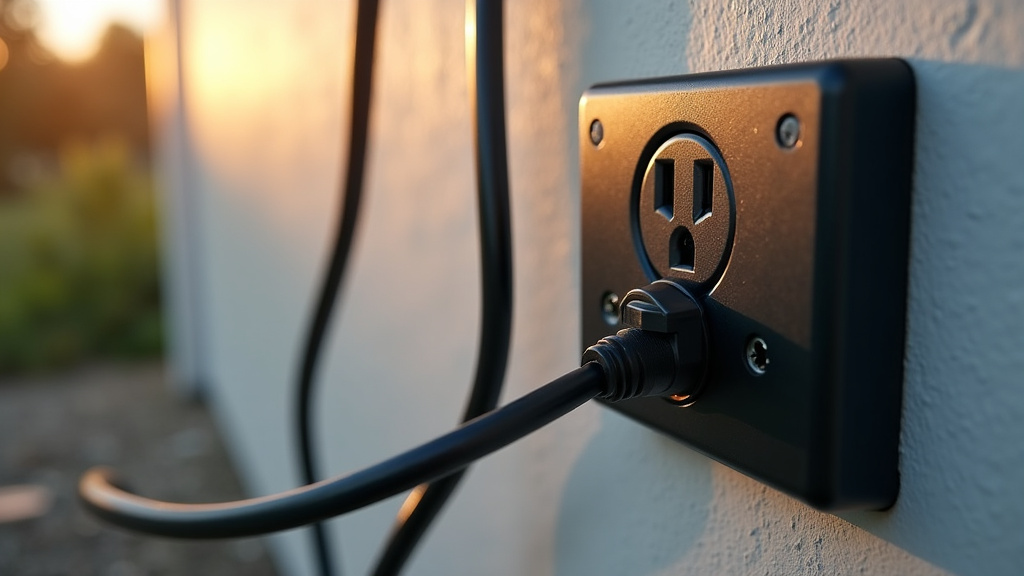
With the generator turned off and unplugged from any power source (like a transfer switch), take a good look at the outlet on the generator itself. If your home backup connection has a problem, see our guide to transfer switch troubleshooting. Our guide to how fix generator outlet not explains this topic in more detail. Is it physically damaged? Are there any signs of scorching or melting? If the outlet housing looks cracked or burnt, it might need replacement. We found that visual checks are a great first step for any electrical issue.
Checking for Loose Wires (Caution Advised)
This step requires a bit more caution and, ideally, a basic understanding of electrical safety. If you are comfortable and knowledgeable, you can (after ensuring the generator is completely de-energized) gently try to wiggle the wires connected to the outlet terminals. If any feel loose, they need to be tightened. For safety, many manuals recommend this task be performed by a qualified technician. If you’re unsure, it’s best to leave this to a professional.
GFCI Outlets: A Special Case
Some generator outlets, especially on newer models, might be Ground Fault Circuit Interrupter (GFCI) protected. These outlets have a “Test” and “Reset” button right on them. If your outlet has these buttons and isn’t working, the GFCI may have tripped. Push the “Reset” button firmly. If it doesn’t reset or trips again immediately, there might be an issue with the GFCI mechanism itself, or a ground fault is occurring. These are designed to protect you from electrical shock, so they are sensitive. Many safety guidelines strongly recommend using GFCI protection when operating generators outdoors.
The Generator Itself: Fuel, Oil, and Engine Status
Sometimes, the problem isn’t the outlet at all. Our guide to why generator outlet not producing explains this topic in more detail. The generator itself might not be running correctly, which means no power will come out of any outlet. It’s easy to overlook the basics when you’re focused on the outlet.
Is There Enough Fuel?
This sounds obvious, but it’s the most common oversight. Ensure your generator has enough gasoline or propane. Many generators have a fuel gauge, but sometimes it can be inaccurate. If you’re low on fuel, the engine might not start or run properly, and therefore no power will be produced.
Checking the Oil Level
Most generators have a low-oil sensor that will shut down the engine to prevent damage if the oil level is too low. Always check your generator’s dipstick to ensure the oil is within the recommended range. Some engines won’t start at all if the oil is critically low. Always use the type and amount of oil specified in your owner’s manual.
Is the Engine Actually Running?
Confirm that the generator’s engine is running smoothly. If it’s sputtering, stalling, or not starting at all, then naturally, no power will be generated. Listen to the engine’s sound. If it’s not running, you’ll need to troubleshoot the engine itself – this might involve checking spark plugs, air filters, or fuel lines. Your generator’s manual is the best resource for engine-specific problems.
Testing the Outlet for Voltage
If you’ve checked the breakers and connections and the generator seems to be running fine, the next step is to confirm if the outlet is actually receiving power. This requires a tool called a multimeter.
What is a Multimeter?
A multimeter is a device used to measure voltage, current, and resistance in electrical circuits. It’s an essential tool for anyone who works with electricity, even for basic home troubleshooting. They are relatively inexpensive and widely available at hardware stores.
How to Safely Test Outlet Voltage
Safety First! This step involves working with electricity. If you are not comfortable or knowledgeable about using a multimeter, please skip this step and consult a professional. Ensure the generator is running and the circuit breaker for the outlet is in the ‘on’ position. Set your multimeter to AC voltage (V~ or VAC) at a range higher than your expected voltage (e.g., 200V if you expect 120V). Carefully insert the multimeter probes into the outlet slots. For a standard 120V outlet, you should typically see a reading around 110-125V. If you get a zero reading or a very low voltage, it confirms the problem lies within the generator’s electrical system or the outlet itself, not just the load you’re trying to power.
When to Call a Professional
While many generator outlet issues are DIY-friendly, some problems require expert attention. If you’ve gone through these steps and are still facing a dead outlet, it might be time to call for backup.
Persistent Tripping Breakers
If a circuit breaker trips immediately after you reset it, even with nothing plugged in, it indicates a short circuit or a ground fault within the generator. This is a safety issue that needs professional diagnosis.
Visible Damage or Burning Smells
Any signs of melting, scorching, or a burning smell coming from the generator or its outlets are serious. Do not operate the generator and call a qualified electrician or generator repair service immediately.
No Voltage Detected by Multimeter
If your multimeter shows no voltage at the outlet, even when the generator is running and breakers are on, it suggests an internal electrical fault. This could be with the alternator, wiring harness, or the outlet itself, requiring specialized knowledge to repair.
Remember, your safety is the top priority. When in doubt, always err on the side of caution and seek professional help.
Generator Outlet Troubleshooting Checklist
- Check generator fuel and oil levels.
- Verify the generator engine is running smoothly.
- Locate and reset any tripped circuit breakers.
- Inspect the outlet for physical damage.
- Test GFCI reset button if applicable.
- (Advanced) Test for voltage using a multimeter if comfortable.
Conclusion
You’ve now got a clear path to follow when your generator outlet isn’t cooperating. We found that most power issues stem from simple things like a tripped breaker or a loose wire. Remember to always start with the basics: check your fuel, oil, and ensure the engine is running. Then, move on to inspecting those breakers and connections. If you’re comfortable, a multimeter test can pinpoint if the outlet itself is the issue. If any of these steps bring you back to square one, or if you see any signs of damage, don’t hesitate to call a professional. Your safety is the top priority.
Frequently Asked Questions
How often should I test my generator’s outlets?
It’s a good practice to test your generator’s outlets at least once a year, even if you don’t use your generator regularly. This helps ensure all components are functioning correctly and that you’ll have reliable power when you need it most. A quick test can prevent surprises during an outage.
Can a faulty extension cord cause a generator outlet to not produce power?
Yes, a damaged or overloaded extension cord can cause your generator’s circuit breaker to trip, or it could simply prevent power from reaching your devices. Always inspect your extension cords for any signs of wear or damage before plugging them into your generator.
What is the difference between a generator outlet and a regular household outlet?
Generator outlets are designed to handle the fluctuating power output of a generator and often have higher amperage ratings. Some may also be GFCI protected for added safety, especially for outdoor use, which is a feature less commonly found on standard indoor wall outlets.
My generator is running, but one outlet is dead. Do I need a new generator?
Not necessarily. As we’ve covered, a dead outlet is often due to a tripped breaker, loose wiring, or a faulty outlet itself. These are typically repairable issues. Focus on troubleshooting the specific outlet and its connections before considering a generator replacement.
What product is recommended for testing generator outlet voltage?
The product recommended for testing generator outlet voltage is a multimeter. This tool allows you to safely measure the AC voltage output from the outlet. Make sure you set it to the correct AC voltage setting and know how to use it safely before testing.