
What Causes Generator Producing Low Voltage?
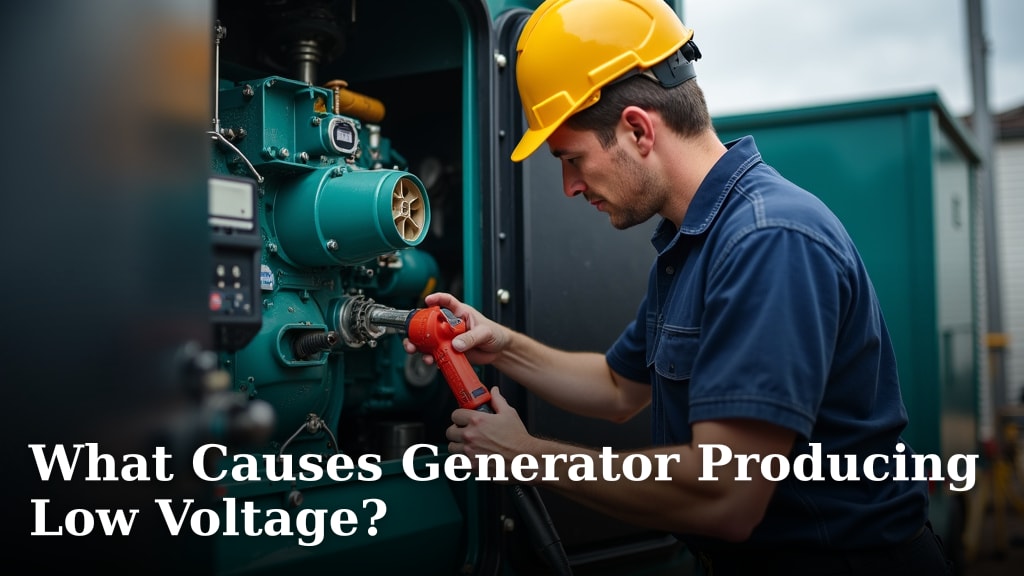
A generator producing low voltage often happens because of worn-out components, like a faulty voltage regulator or a damaged winding. Sometimes, it’s as simple as a loose connection somewhere in the system. We found that understanding these common culprits is the first step to fixing the problem.
Low voltage means your generator isn’t supplying enough power. This can prevent appliances from running correctly or even damage sensitive electronics. Many experts point to issues with the generator’s engine or problems within the electrical output circuit as common causes for this power drop.
- Worn-out parts like regulators.
- Loose or corroded electrical connections.
- Issues with the generator’s engine.
- Problems in the electrical output circuit.
- Overloaded generator or improper load management.
Let’s break down the most common reasons your generator might be sending out less power than it should, and what you can do about it.
Troubleshooting Why Your Generator is Producing Low Voltage
When your generator starts producing low voltage, it can feel like a real headache. You might notice appliances not working right, or lights dimming when they shouldn’t. Research and found that this often points to a few key areas within your generator’s system. Let’s get to the bottom of why your generator might be giving you less power than you expect.
Understanding the Key Components Affecting Generator Voltage
The Role of the Voltage Regulator
Think of the voltage regulator as the brain of your generator’s voltage control. Its main job is to keep the voltage steady, no matter how much load you put on it. If this part starts to fail, the voltage can drop significantly.
We found that a faulty regulator can lead to fluctuating or consistently low output. It might be failing to send the right signals to the alternator or AVR (Automatic Voltage Regulator) unit. Many experts say that this is one of the most common culprits for low voltage issues. When the regulator isn’t doing its job, the generator can’t maintain the proper voltage curve.
Issues with the Generator Windings
Your generator has windings in its stator and rotor that create the magnetic fields needed for electricity production. If these windings get damaged, perhaps due to overheating or physical stress, they can’t generate enough magnetic force. This directly impacts the voltage output.
We’ve seen that damage can manifest as shorted turns or open circuits within the windings. This means that less electricity can be produced. Sometimes, corrosion or moisture can also play a role in damaging these sensitive components over time. Repairing or replacing windings can be a complex job.
Checking Your Generator’s Engine Performance
While often thought of as separate, the engine is the heartbeat of your generator. If the engine isn’t running at its optimal speed (RPM), the generator won’t produce the correct voltage. This is because the alternator’s speed is directly tied to the engine’s speed.
Many problems can cause the engine to run too slow. This includes fuel delivery issues, air filter blockages, or spark plug problems. Even a simple tune-up can often resolve engine-related low voltage conditions. We found that ensuring your engine is properly maintained is vital for consistent power output.
Fuel System Problems
Is your generator getting enough fuel? A clogged fuel filter or a partially closed fuel valve can starve the engine. This leads to a drop in RPM and, consequently, a drop in voltage. We found that checking your fuel lines for kinks or obstructions is a simple but effective first step.
Air Intake Restrictions
An engine needs air to run efficiently. A dirty air filter restricts airflow, making the engine work harder and potentially run slower. Think of it like trying to run with a mask on – it’s tough! Research indicates that replacing a clogged air filter is a quick fix for many engine performance issues.
Ignition System Faults
A weak spark from the spark plug means incomplete combustion. This can cause the engine to misfire or run rough, lowering its speed. We found that ensuring your spark plug is clean, properly gapped, and in good condition is essential for optimal engine performance and voltage output.
Electrical Connections and Wiring: The Hidden Culprits
Sometimes, the issue isn’t with the core generator components but with the connections carrying the power. Loose, corroded, or damaged wiring can create resistance, which causes voltage to drop. This is especially true further down the line from the generator itself.
Loose Terminal Connections
We found that even a slightly loose connection can cause a significant voltage drop. Over time, vibration can loosen terminal screws. Ensure all connections to the generator’s output, transfer switch, and outlets are tight and secure.
Imagine trying to drink water through a kinked straw; it’s difficult to get a good flow. Loose connections act like that kink, hindering the smooth flow of electricity. Many technicians recommend checking these connections periodically during routine maintenance.
Corroded Connectors
Exposure to moisture or harsh environments can cause connectors to corrode. Corrosion builds up resistance, making it harder for electricity to pass through. This is a common problem, especially for generators used outdoors. We found that cleaning corroded terminals with a wire brush and applying an anti-corrosion spray can often resolve this.
Damaged Wiring or Cables
Inspect all the wiring leading away from the generator. Look for signs of fraying, cuts, or melting. Damaged cables can not only cause low voltage but also pose a serious safety hazard. Replacing any damaged sections is always the safest bet.
Load Management and Overloaded Generators
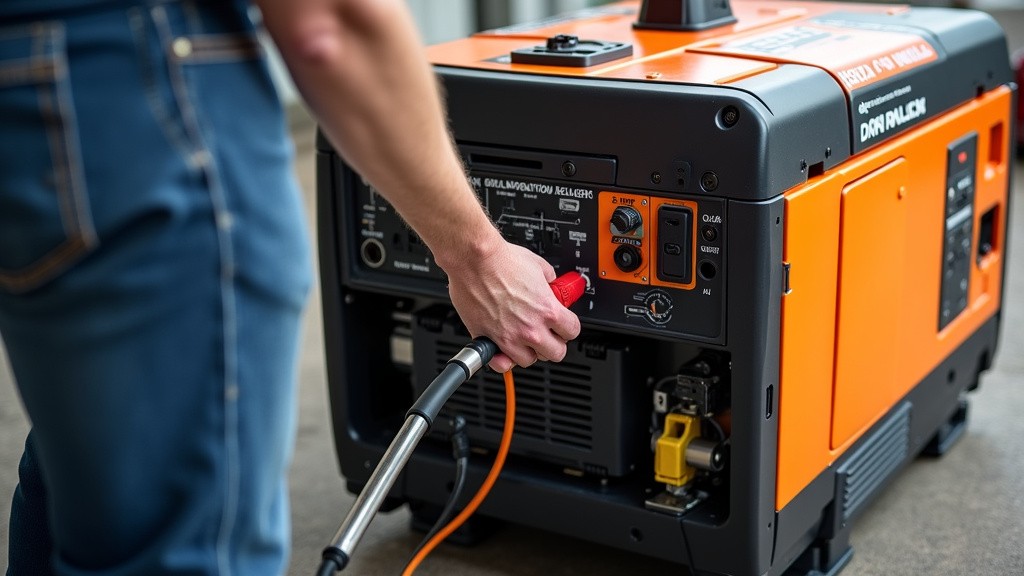
You might be surprised, but sometimes the problem isn’t a faulty generator part at all. It could be that you’re simply asking your generator to do too much at once.
Exceeding the Generator’s Capacity
Every generator has a rated wattage capacity. If you try to run too many appliances simultaneously, or appliances that draw more power than the generator can supply, the voltage will drop. This is the generator telling you it’s overloaded.
We found that understanding the wattage requirements of your appliances is key. Always check the nameplate on your generator for its continuous and peak wattage ratings. Running within these limits prevents strain and ensures stable voltage. It’s like trying to fit too many people into a small car; eventually, something has to give.
Improper Load Sequencing
When starting up multiple appliances, it’s best to do it in a specific order. Heavy-duty appliances, like air conditioners or refrigerators, have a much higher starting (surge) wattage than running wattage. Starting these first can momentarily overload the generator. Many electricians recommend starting the generator and letting it stabilize before plugging in loads, and starting high-demand items one at a time.
Common Pitfalls and What to Check First
When troubleshooting, it helps to have a checklist of the most common and easiest things to inspect. We’ve put together a few points that often get overlooked.
- Check your generator’s engine speed (RPM).
- Inspect all visible electrical connections for tightness.
- Look for any signs of corrosion on terminals.
- Verify that your generator is not overloaded with too many appliances.
- Ensure the fuel supply is adequate and the filter is clean.
- Check your generator’s manual for specific troubleshooting steps.
By systematically checking these areas, you can often pinpoint the cause of low voltage production and get your generator back to supplying the power you need.
Conclusion
You’ve learned that a generator producing low voltage isn’t usually a mystery. We’ve seen that common culprits range from simple loose connections to more complex issues like faulty voltage regulators or engine problems. Understanding these potential causes is your first step toward reliable power. Don’t let dim lights or struggling appliances keep you down. Take the actionable step to systematically check the areas we’ve discussed. Often, a bit of careful inspection and maintenance can get your generator running strong again.
Frequently Asked Questions
How do I know if my generator is actually producing low voltage?
The easiest way is to use a multimeter. You can safely test the voltage output at the generator’s outlet or transfer switch. You might also notice appliances acting strangely or lights flickering, which are common signs of inconsistent voltage.
Can a dirty air filter really cause low voltage?
Yes, it absolutely can. A clogged air filter restricts the engine’s air supply, causing it to run slower than its optimal speed. Since the generator’s voltage output is directly tied to engine speed, a slower engine means lower voltage.
Is it safe to use a generator that’s producing low voltage?
Generally, no. Running appliances on low voltage can damage sensitive electronics and cause motors to overheat and fail. It’s best to shut down the generator and diagnose the problem before attempting to use it again.
How often should I check my generator’s electrical connections?
We recommend checking visible terminal connections and looking for corrosion at least once a year, or more often if you use your generator frequently or in a damp environment. Regular checks can prevent small issues from becoming big problems.
What’s the difference between starting wattage and running wattage, and how does it affect voltage?
Starting wattage is the surge of power needed to get an appliance like a refrigerator or air conditioner running. Running wattage is the consistent power it needs to operate. If you exceed the generator’s capacity, especially with multiple high-surge appliances starting at once, it can cause a significant voltage drop.
