
What Is a Generator Transfer Switch and How Does It Work?
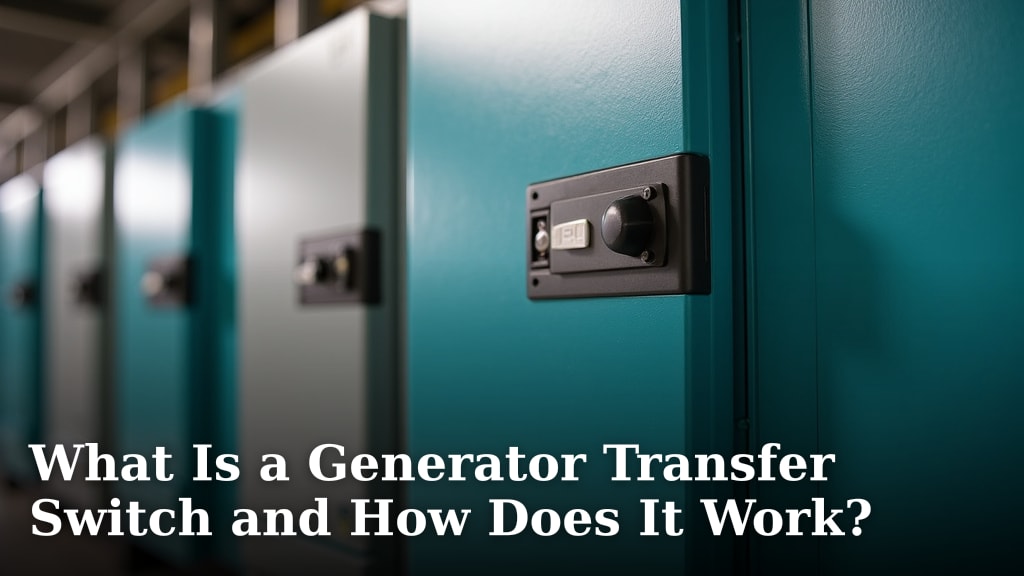
A generator transfer switch is a device that safely connects a portable or standby generator to your home’s electrical system. It lets you power essential circuits directly from your generator during an outage. Without it, you cannot safely use a generator to power your home’s wiring.
Think of it as a gatekeeper for your home’s electricity. It ensures your generator’s power doesn’t accidentally flow back to the utility lines. This is super important to prevent dangerous backfeeding, protecting linemen working to restore power. We found that safety is the primary reason you need one.
- A transfer switch connects your generator to your home.
- It safely switches your home’s power source.
- Prevents dangerous electricity from flowing back to the grid.
- Is required for permanent generator hookups.
- You can’t safely power your home’s circuits without one.
So, how exactly does this clever device keep you safe and powered up? Let’s walk through how a generator transfer switch works and why it’s a must-have for generator owners.
How a Generator Transfer Switch Works
You’ve got your generator, ready for action. But how do you actually get that power into your home safely? That’s where the transfer switch steps in. It’s the go-between for your home and your generator, ensuring everything runs smoothly and, most importantly, safely.
At its core, a transfer switch performs one critical function: it isolates your home’s electrical system from the utility grid before connecting to your generator. This prevents a dangerous condition called “backfeeding.”
Understanding the Power Flow
Let’s break down the journey of electricity to your home. Normally, power comes from the utility company, through your electric meter, and into your main electrical panel. From there, it branches out to all the circuits that power your lights, appliances, and devices.
When the power goes out, that normal flow stops. Your generator creates its own power, but you can’t just plug it into a wall outlet. That’s extremely risky. The transfer switch provides a dedicated, safe connection point for your generator’s output.
The Role of Isolation
Imagine two rivers flowing into one lake. You wouldn’t want them to merge without control, right? Electricity is similar. Your home can safely handle power from only one source at a time. The transfer switch makes sure of this.
When you activate the transfer switch, it physically disconnects your home from the utility grid. Only then does it connect your home to the generator. This “break before make” action is key to preventing backfeeding. It’s a non-negotiable safety feature, as we found through research into electrical safety standards (National Electric Code).
Types of Generator Transfer Switches
Not all transfer switches are created equal. They come in different forms, each suited for various generator setups and power needs. Understanding the differences helps you choose the right one for your home.
Manual Transfer Switches
A manual transfer switch requires you to physically flip a switch to change power sources. When the utility power goes out, you’ll need to go to the switch, often mounted near your main electrical panel, and manually operate it.
- You start your generator.
- You go to the manual transfer switch.
- You flip the switch from “utility” to “generator.”
- Your home then draws power from the generator.
Many homeowners prefer manual switches for portable generators. They are generally less expensive and simpler in design. You have direct control over when your generator kicks in and when it shuts off.
Automatic Transfer Switches (ATS)
An automatic transfer switch takes the manual work out of the equation. This type of switch constantly monitors the utility power. If it detects an outage, it automatically starts your generator and switches your home’s power source. When utility power returns, it switches back and shuts down the generator.
We found that many people choose ATS for standby (fixed) generators because of the convenience and seamless transition. You don’t have to be home to get power back on. This is especially helpful if you’re away or if the outage happens in the middle of the night.
- Utility power fails.
- The ATS senses the outage.
- The ATS sends a signal to start the standby generator.
- Once the generator is running, the ATS switches your home from utility to generator power.
- When utility power returns, the ATS switches back and shuts down the generator.
Components of a Transfer Switch
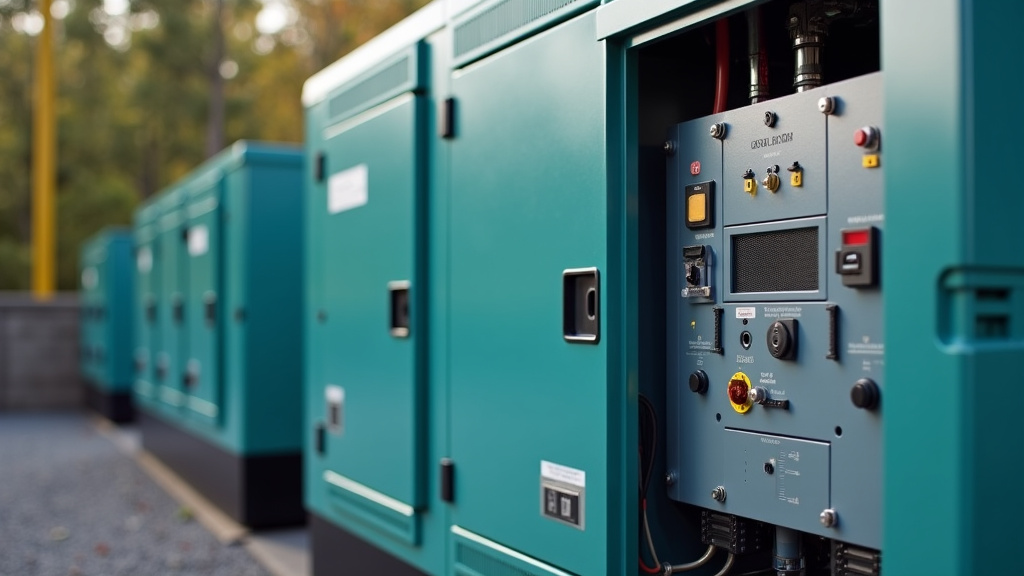
What’s inside this essential box? While designs vary, most transfer switches share a few key components that work together to manage your power flow.
- Switching Mechanism: This is the core component that physically connects your home to either the utility or the generator. It might be a large mechanical lever or an electronically controlled contactor.
- Controller: For automatic switches, this is the “brain.” It monitors incoming power, decides when to switch, and communicates with your generator.
- Circuit Breakers: Like your main electrical panel, the transfer switch will often have circuit breakers to protect specific circuits that the generator will power.
- Wiring Terminals: These are the connection points for the wires coming from your utility, your generator, and your home’s electrical panel.
Installation Considerations
Installing a generator transfer switch is not a DIY project for most homeowners. It involves working with high voltage electricity and must comply with strict electrical codes for your safety and the safety of utility workers. Many experts say it should always be done by a licensed electrician (National Electrical Contractors Association).
Choosing the Right Size
Your electrician will help you determine the right size and type of transfer switch based on your generator’s output and the circuits you want to power. You’ll need to consider the total wattage of the appliances you plan to run during an outage.
Dedicated Circuits
Most transfer switches, especially manual ones, are designed to power a select number of circuits, not your entire home. You’ll choose essential circuits like your refrigerator, some lights, the furnace fan, or medical equipment. This makes efficient use of your generator’s power.
Whole-house transfer switches exist, but they are typically larger, more expensive, and require a powerful standby generator to match the home’s total electrical demand.
Safety Benefits of a Transfer Switch
We’ve touched on safety, but let’s reinforce why this device is so critical. It’s not just about convenience; it’s about protecting lives.
Prevents Backfeeding: This is the biggest safety benefit. Without a transfer switch, if you were to connect a generator directly to your home’s wiring (a practice known as “backfeeding”), electricity from your generator could travel back out onto the utility lines. This creates a severe electrocution hazard for utility linemen working to restore power, as we researched from public safety warnings (Consumer Product Safety Commission).
Protects Appliances: By ensuring your home is always connected to a single, stable power source, the transfer switch helps protect your sensitive electronics and appliances from voltage fluctuations that can occur during power transitions.
Code Compliance: Electrical codes almost universally require a transfer switch for permanent generator installations to ensure safety and proper operation. Ignoring these codes can lead to fines, insurance issues, and, most importantly, dangerous situations.
What To Look For When Choosing a Transfer Switch
When you’re ready to get a transfer switch, here’s a quick checklist to help guide your decision. We found that asking these questions early on can save you headaches later.
- Generator Type: Is it for a portable or standby generator?
- Manual or Automatic: Do you prefer hands-on control or automated operation?
- Number of Circuits: How many essential circuits do you need to power?
- Amperage Rating: Does it match your generator’s output and home’s electrical panel?
- Installation: Is it suitable for indoor or outdoor installation?
- UL Listing: Is it safety certified by a reputable organization like UL?
Answering these questions will help narrow down your options and ensure you get a transfer switch that meets your specific needs and keeps your home powered safely.
Conclusion
Understanding how a generator transfer switch works is key to safely powering your home during an outage. Whether manual or automatic, these devices are essential for preventing dangerous backfeeding and protecting utility workers. They bridge the gap between your generator and your home’s circuits, keeping your essential appliances running.
Prioritizing safety and proper installation is paramount. If you’re considering a generator for your home, your next step should be consulting a licensed electrician. They can assess your needs and ensure your transfer switch is installed correctly and meets all local electrical codes.
Frequently Asked Questions
Can I just use extension cords to power my home with a generator?
While you can use extension cords for a few individual appliances, connecting a generator directly to your home’s wiring solely with extension cords is unsafe and inefficient. It doesn’t isolate your home from the grid, creating backfeeding risks and often overloading circuits. A transfer switch is the only safe way to integrate generator power into your home’s electrical system.
How do I know what size transfer switch I need?
The size of your transfer switch depends on your generator’s output and the total electrical load of the circuits you want to power. It’s measured in amps, matching your main electrical panel’s capacity. A licensed electrician will perform a load calculation to determine the appropriate amperage and recommend a suitable model for your specific needs.
Is a transfer switch required by law?
Yes, for permanent generator installations and when connecting a portable generator to your home’s electrical system, a transfer switch is typically required by the National Electrical Code (NEC) and local regulations. This ensures the safe isolation of power sources and prevents hazardous conditions like backfeeding onto the utility grid.
What is the typical lifespan of a generator transfer switch?
With proper installation and maintenance, a generator transfer switch can last 20 to 30 years or even longer. Automatic transfer switches, with their electronic components, might have slightly shorter lifespans than purely mechanical manual switches. Regular inspection by an electrician helps ensure its continued reliability.
Can a transfer switch power my entire house?
While some large, whole-house automatic transfer switches exist for powerful standby generators, most transfer switches are designed to power a selected number of essential circuits. This allows you to prioritize critical appliances and lights, making efficient use of your generator’s capacity without needing an extremely large and expensive generator.
