Solar Panels vs Generator: Home Backup (November 2026)
Choose solar panels for quiet power that can recharge, or a generator for backup power that can run as long as you have fuel. For home backup, compare the loads you need to run, how long an outage may last and how you can safely connect power.
On this page (8 sections)
- Solar panels vs generator: which is better for home backup?
- What matters most during a household outage?
- How do solar panels and fuel generators differ?
- Which solar products fit home backup?
- Which generator fits your backup plan?
- What does each backup system cost you in effort?
- Can you combine solar panels and a generator?
- How should you choose between solar panels and a generator?
Solar panels vs generator for home backup comes down to how you want to make and store power. Solar panels paired with a battery offer quiet power that can recharge in sunlight; a fuel generator can keep running while you have fuel.
A solar setup can suit a household that wants to avoid fuel and can plan around available sunlight. A generator can suit a household that needs more output on demand and can operate it outdoors with a safe fuel supply.
The products below show the difference between panels, battery storage and fuel generators. We compared their stated power and features against common home backup needs.
Solar panels vs generator: which is better for home backup?
Solar with battery storage suits quiet, renewable recharging; a fuel generator suits longer use when fuel is available. Neither choice works for every home, so start with the appliances you need to keep running.
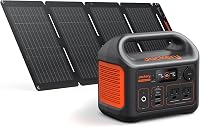
Solar panels make power only when conditions allow, and a battery stores energy for later. Compare portable power stations for home use to see storage and inverter options.
A portable power station combines storage and an inverter, but you still need to match its capacity and output to your loads.
A fuel generator makes power while it runs. You don't need sunshine, but you do need the right fuel, safe outdoor placement and a way to connect appliances or circuits.
For broader model options, compare our guides to best portable solar generators and best solar generators for home backup.
What matters most during a household outage?
The right system is the one that can handle your priority appliances for the time you need them. List each load before comparing wattage or battery capacity.
Start with essentials such as a refrigerator, freezer, lights, internet equipment or a sump pump. Check both the normal running power and any higher startup demand, then decide whether you want to power appliances individually or selected household circuits.
A generator's running watts describe its ongoing output. Peak watts cover a short surge, but they don't tell you how long the generator can operate or how much fuel it will use.
Battery capacity, measured in watt-hours, helps estimate how much energy is stored. Actual runtime depends on the devices connected and conversion losses, so a watt-hour figure alone doesn't guarantee a set number of hours.
Solar panels vs generator for refrigerator backup
A refrigerator may be a priority load, but its startup demand and cycling pattern affect the system size you need. Check the appliance label or manual, and leave headroom for other devices you plan to run at the same time.
A solar panel by itself doesn't keep a refrigerator running after dark. Pair panels with a compatible battery system and confirm that its inverter can handle the refrigerator's needs.
The best solar generators for refrigerators guide focuses on that use. If you also want to keep a freezer cold, see our solar generator options for a refrigerator and freezer.
How do solar panels and fuel generators differ?
Solar needs a suitable battery system and usable sunlight; a fuel generator needs fuel and safe outdoor operation. Their day-to-day requirements can matter as much as their rated output.
| Backup factor | Solar panels with battery | Fuel generator |
|---|---|---|
| Power source | Sunlight stored in a battery | Gasoline or propane, depending on model |
| During use | Quiet battery output | Engine runs while supplying power |
| Recharging or refueling | Sunlight or another supported charging source | Add the specified fuel when needed |
| Long outages | Depends on stored energy and recharge conditions | Depends on fuel supply and operating limits |
| Setup | Panel placement, compatible power station and connections | Outdoor placement, fuel handling and suitable connections |
| Home circuits | Requires compatible equipment and a proper connection | Requires compatible equipment and a proper connection |
Solar power can reduce the need to store and handle fuel, but cloudy weather or poor panel placement can limit recharging. A fuel generator is less dependent on weather, but your backup plan depends on fuel access and safe operation.
Neither option should connect directly to home wiring through an improvised cord. Follow the equipment instructions and use a qualified electrician for a transfer switch or other household connection.
Which solar products fit home backup?
Choose panels when you already have compatible storage, or a solar generator when you need panels and battery capacity together. Check voltage, current and charging limits before connecting components.
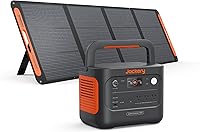
The Callsun set has two 200W panels, a bifacial design and a dual-module layout intended to reduce the impact of partial shade. The panels still need a compatible battery or power station to make stored power available later.
The ECOGREAT OSCAL PowerMax 6000 offers 120V and 240V output, plus 2,400W maximum solar charging input. Its stored energy is finite, so plan which loads to run and how you'll recharge during a long outage.
Which generator fits your backup plan?
Choose a larger dual-fuel model for higher household loads, or a smaller inverter generator for a limited set of essentials. Confirm the running and startup demands of your equipment first.
The Westinghouse model offers remote, electric and recoil starting, plus a transfer-switch-ready outlet. It can run on gasoline or propane, which gives you a fuel choice, but each fuel requires safe storage and handling.
The maker gives a runtime of up to 12 hours on a 6.6-gallon gasoline tank. Actual runtime depends on the connected load and conditions.
The Oxseryn has two 120V AC ports, a 12V DC port and an RV port. Its stated runtime of up to 14 hours applies at 25% load with ECO mode, so heavier use will change how often you need to refuel.
What does each backup system cost you in effort?
Solar requires panel placement and charging plans; a fuel generator requires fuel, outdoor space and recurring checks. Think about what you can manage during bad weather or overnight.
Panels need a location with useful sun and a secure setup. Shade, heat, sun angle and wiring can reduce their output, so the rated panel watts are not a promise of constant power.
Battery systems can be charged before an expected outage, then recharged from panels when conditions allow. Keep the equipment accessible and follow the maker's storage and charging instructions.
Generators need an appropriate outdoor location, fuel and routine care according to the manual. Noise, exhaust direction and distance from the house affect where you can safely place one.
Before an outage, practice the setup with the exact cords and connection method you plan to use. Keep fuel away from ignition sources and never run a fuel generator inside a building or enclosed area.
Can you combine solar panels and a generator?
Yes, they can serve as different parts of one backup plan, if each device supports the intended charging method. A generator can provide power when sunlight is poor, while panels can recharge a compatible battery when the weather allows.
Check whether the power station accepts charging from both AC power and solar input. Verify the generator's output and the station's charging limits before connecting them.
A combined system doesn't remove capacity limits. Decide which loads get priority and avoid adding appliances beyond the rated output of the inverter or generator.
How should you choose between solar panels and a generator?
Choose solar with battery storage for quiet operation and sunlight-based recharging; choose a generator for fuel-powered output when you can operate it safely. Size either option around the loads and outage duration you expect.
Pick panels and a battery if you can plan around recharge conditions and want stored energy without a running engine. Pick a generator if you need fuel-powered operation and can manage refueling, noise and outdoor placement.
For a small essential-load plan, the Oxseryn's 3,400 running watts may be enough if your loads fit. For higher demands, compare the Westinghouse's running output on the fuel you intend to use.
The ECOGREAT OSCAL combines a large battery with solar panels, while the Callsun panels suit a compatible power station you already own. For more options, start with solar generators for home backup and compare your appliance needs before choosing.
Frequently asked questions
Are solar panels or a generator better for home backup?
Solar panels paired with a battery suit quiet backup and can recharge when sunlight is available. A fuel generator suits longer outages when you can keep fuel on hand and operate it safely outdoors.
Compare the appliances you need, their starting loads and the hours you want to cover.
Can solar panels power a home during an outage?
Panels need a compatible power station or battery system to store energy for use after sunlight fades. A suitable inverter and connection setup must also match your appliances and home wiring.
Check the system instructions and use a qualified electrician for any connection to household circuits.
How long can a home generator run?
A generator can run while it has fuel and is operated within its instructions, but runtime varies with load and fuel type. The Westinghouse model is rated for up to 12 hours on its 6.6-gallon gasoline tank, while the Oxseryn claims up to 14 hours at 25% load in ECO mode.
Can a solar generator run a refrigerator?
It may, if its output supports the refrigerator's running and startup needs and its battery capacity covers the time between recharges. Check the appliance label and the power station's output limits.
For model ideas and sizing context, see our guide to solar generators for a refrigerator and freezer.
Can you run a generator indoors or in a garage?
No. Fuel generators produce exhaust and must be operated outdoors, away from doors, windows and vents, following the manual and local safety guidance.
Never run one in a home, garage or other enclosed space, even with doors or windows open.