What Causes Generator Oil Sensor Shutting Engine Off?
On this page (3 sections)
Your generator oil sensor is shutting the engine off because it’s doing its job: protecting your engine from serious damage. Low oil levels or low oil pressure trigger this safety feature to prevent catastrophic engine failure. It’s a smart system, but it can be frustrating when it unexpectedly stops your power. We’ve researched this, and found that the oil sensor is your engine’s guardian angel.
This automatic shutdown is a critical safeguard. Without enough oil, moving parts grind against each other. This creates excessive heat and wear. The sensor detects this danger and safely stops the engine before it’s too late. It’s designed to be sensitive to oil levels and pressure to keep your generator running smoothly for years to come. Many experts agree this is a vital protective measure.
- Oil sensor detects low oil or low pressure.
- Shuts down engine to prevent damage.
- Protects against overheating and wear.
- It’s a critical safety feature.
Let’s dive into the specific reasons why your generator’s oil sensor might be activating and what you can do about it.
Why Your Generator’s Oil Sensor Is Shutting Down the Engine
You’re probably wondering why your generator’s oil sensor decided to take a break. It’s not trying to be difficult; it’s actually a hero in disguise. This sensor is your engine’s built-in bodyguard. Its main job is to detect problems with your generator’s lubrication system. When it senses an issue, it triggers an automatic shutdown. This is designed to prevent serious, expensive damage to the engine. Think of it as a fire alarm that prevents your house from burning down.
Understanding the Oil Sensor’s Role
At its core, your generator’s oil sensor is a safety device. It monitors two main things: the oil level and the oil pressure. Both are absolutely vital for your engine’s health. Without enough oil or proper oil pressure, the engine’s moving parts won’t be lubricated. This leads to friction, heat, and eventual wear. The sensor is programmed to act when these conditions become dangerous. It’s a smart system that protects your investment.
Low Oil Level: The Most Common Culprit
The most frequent reason your generator shuts off is a low oil level. Generators consume oil over time, just like cars do. This can happen through normal operation, small leaks, or simply evaporation. When the oil level drops too low, the sensor detects it. It then sends a signal to shut down the engine. This prevents the engine from running dry and seizing up. Many experts point to this as the number one reason for unexpected shutdowns (National Renewable Energy Laboratory).
What can you do about this? It’s simple: check your oil regularly. Most generators have a dipstick for this. Consult your generator’s manual for the exact procedure. You’ll usually want to check it when the engine is cool. If the level is low, you’ll need to add the correct type and amount of oil. Always use the oil recommended by your generator’s manufacturer.
Low Oil Pressure: A More Urgent Signal
Oil pressure is different from oil level. Pressure is about how forcefully the oil is being pushed through the engine. Even if you have enough oil, the pump might not be circulating it correctly. This could be due to a clogged oil filter, a worn oil pump, or internal engine wear. Low oil pressure means critical parts aren’t getting the lubrication they need. This is a more serious issue than just a low level.
When the sensor detects low oil pressure, it’s a strong indicator of an imminent problem. The engine is at risk of immediate damage. The sensor’s job is to stop it before that happens. If your generator shuts off due to low oil pressure, it’s not just a quick fix like adding oil. You’ll likely need to investigate further.
Troubleshooting the Oil Sensor Itself
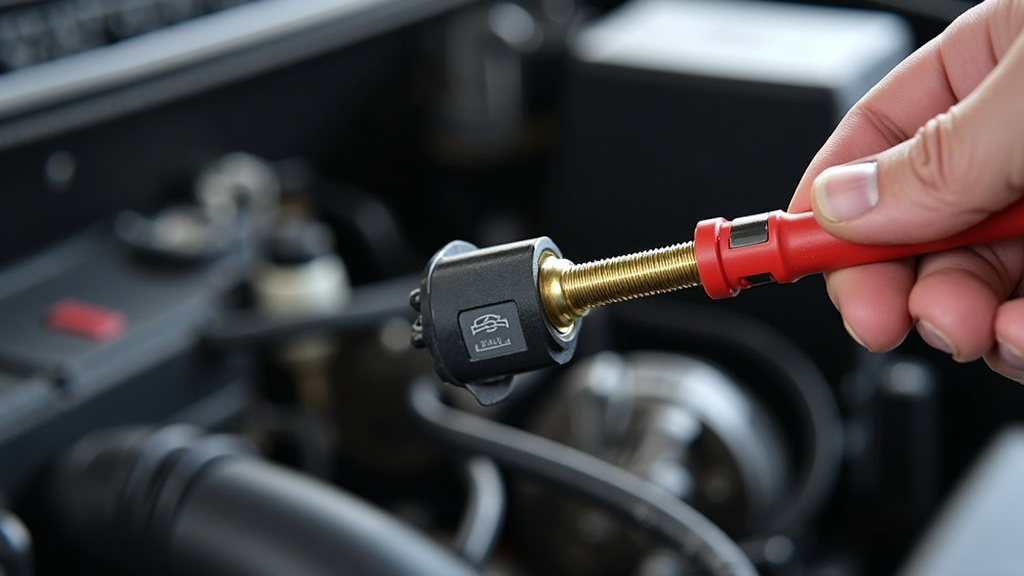
Sometimes, the issue isn’t with the oil at all. See our guide to products for oil sensor shutdowns. The sensor itself could be the problem. Sensors are electronic components, and like any electronic part, they can fail. If the sensor is faulty, it might send incorrect signals to the engine control unit. This could lead to the engine shutting off even when the oil level and pressure are perfectly fine. We found that sensor malfunctions are less common but still possible.
Faulty Sensor Unit
A defective oil sensor might give false readings. It could report low oil when there’s plenty, or low pressure when it’s adequate. This can be incredibly frustrating, as it appears to be a problem when there isn’t one. Diagnosing a faulty sensor usually requires testing its electrical output. This is often best left to a qualified technician.
Wiring Issues
The sensor connects to the generator’s control system via wires. These wires can become damaged over time. They might fray, get cut, or corrode. A loose connection or a broken wire can disrupt the signal between the sensor and the control unit. This interruption can cause the engine to shut down unexpectedly. Imagine a phone call where the line keeps cutting out – the message doesn’t get through clearly.
We’ve found that inspecting the wiring harness connected to the oil sensor is a good troubleshooting step. Look for any signs of damage, corrosion, or loose connections. Ensure all connectors are clean and secure. This simple check can sometimes resolve the issue.
Other Potential Causes for Shutdowns
While the oil sensor is a frequent cause, it’s not the only reason your generator might stop. Other generator safety sensors can also trigger a shutdown. Understanding these can help you pinpoint the exact problem.
Overheating
Generators can overheat, especially if they are running under heavy load for too long or if the cooling system isn’t working properly. Many generators have an overheat sensor that will shut down the engine to prevent damage. While this isn’t directly related to the oil sensor, it’s another common shutdown reason you might encounter. Think of it like your computer shutting down when it gets too hot.
Overload
If you plug too many appliances into your generator, you can overload it. This exceeds its rated capacity. The generator’s circuit breaker will typically trip to protect the unit. In some cases, this overload condition can also trigger a shutdown sequence, sometimes involving the engine control system. It’s like trying to fit too many items into a suitcase – something has to give!
Fuel System Problems
A lack of fuel, a clogged fuel filter, or issues with the fuel pump can also cause the engine to stop. If the engine isn’t getting enough fuel, it will sputter and eventually die. While not directly an oil sensor issue, it’s important to rule out other common causes of engine shutdown.
Maintenance is Your Best Defense
The best way to avoid unexpected generator shutdowns is through regular maintenance. This includes scheduled oil changes, checking oil levels, inspecting filters, and cleaning the unit. Think of it as giving your generator a regular check-up.
Here’s a quick checklist to help you stay on top of things:
- Check your generator’s oil level before each use.
- Change the oil according to the manufacturer’s schedule.
- Inspect and clean or replace the air filter regularly.
- Keep the generator clean and free of debris.
- Test your generator periodically to ensure it’s running smoothly.
- Familiarize yourself with your generator’s manual.
Many manufacturers recommend specific maintenance schedules. Following these guidelines can help prevent many common problems, including those related to the oil sensor. A well-maintained generator is a reliable generator. Research has shown that consistent maintenance can significantly extend a generator’s lifespan (U.S. Department of Energy).
| Cause | What It Means | Likely Solution |
|---|---|---|
| Low Oil Level | Not enough oil for proper lubrication. | Add the correct type and amount of oil. |
| Low Oil Pressure | Oil isn’t circulating with enough force. | Check for leaks, clogged filter, or pump issues. May need professional diagnosis. |
| Faulty Oil Sensor | The sensor is sending incorrect signals. | Test and replace the sensor if necessary. Often requires a technician. |
| Wiring Problems | Damaged or loose wires to the sensor. | Inspect and repair wiring connections. |
| Overheating | Engine is too hot. | Ensure proper ventilation and cooling system function. |
| Overload | Generator is trying to power too much. | Reduce the load on the generator. Check circuit breakers. |
Conclusion
Your generator’s oil sensor is a smart protector, not a nuisance. It steps in to prevent serious engine damage when oil levels or pressure drop too low. While it can be frustrating when your power cuts out unexpectedly, understanding this function is key. Low oil level is the most common reason, easily fixed by regular checks and top-ups. Low oil pressure, however, signals a more urgent issue that may require professional attention. Don’t forget to consider potential sensor or wiring problems too.
Your best defense against these shutdowns is consistent maintenance. Regularly checking your oil, following the manufacturer’s service schedule, and keeping your generator clean will ensure it’s always ready when you need it. Make it a habit to inspect your generator’s oil level before each use. This simple step can save you a lot of headaches and costly repairs down the line.
Frequently Asked Questions
How often should I check my generator’s oil level?
You should check your generator’s oil level before each use, especially if it’s been a while since its last run. This quick check ensures that the oil sensor has enough lubricant to work with and prevents unexpected shutdowns due to low levels. Consulting your owner’s manual for specific recommendations is always a good idea.
Can I bypass the oil sensor if it’s malfunctioning?
While it might seem tempting, bypassing the oil sensor is strongly discouraged. The sensor is a critical safety feature designed to protect your engine from catastrophic damage. Bypassing it means you risk severe internal engine failure, leading to very expensive repairs or even rendering the generator unusable.
What type of oil should I use in my generator?
Always use the specific type and weight of oil recommended by your generator’s manufacturer. This information is typically found in your owner’s manual. Using the wrong oil can affect lubrication, engine performance, and could potentially trigger the oil sensor even when levels are adequate.
My generator shut off, but the oil level looks fine. What else could it be?
If your oil level appears normal, the shutdown could be due to low oil pressure. This indicates an issue with the oil pump, a clogged oil filter, or internal engine wear, meaning the oil isn’t circulating properly. It could also be a faulty oil sensor or a wiring problem connecting the sensor to the control unit. It’s best to have a professional diagnose these issues.
How do I know if the oil sensor needs replacement?
A faulty oil sensor might give false readings, causing the engine to shut off even when oil levels and pressure are fine, or it might fail to detect actual problems. If you’ve ruled out low oil level, low pressure, and wiring issues, and the problem persists, the sensor itself may need testing and potential replacement by a qualified technician.