How to Fix Generator Oil Sensor Shutting Engine Off?
On this page (7 sections)
Your generator’s oil sensor is likely shutting the engine off because it’s detecting a low oil level or a faulty sensor. This is a safety feature. It prevents engine damage from running without enough lubrication. You can often fix this yourself with a few simple checks.
When your generator suddenly stops running, it’s frustrating. The oil sensor is designed to protect your engine’s internals. It monitors the oil pressure and level. If either drops too low, the sensor triggers a shutdown. We found that many owners overlook basic maintenance, which can cause this issue.
- Check your generator’s oil level first.
- Inspect the oil sensor for damage or loose connections.
- Ensure you’re using the correct type of oil.
- Test the sensor if you suspect it’s faulty.
Let’s walk through how to troubleshoot and fix your generator’s oil sensor shutting the engine off, step by step.
Troubleshooting Generator Oil Sensor Shutdowns
When your generator suddenly quits, it’s often due to its oil sensor working correctly. This sensor is a safety feature. It prevents serious engine damage. We found that many common issues can cause the sensor to trigger a shutdown. Let’s figure out why your generator is stopping and how to get it running again.
Understanding the Generator Oil Sensor’s Role
Think of the oil sensor as your generator’s vigilant guardian. Its main job is to monitor the oil level and pressure within the engine. If either drops below a safe operating threshold, the sensor sends a signal. This signal tells the engine to shut down immediately. This prevents catastrophic damage from running on insufficient lubrication. Many experts say this feature is key to a generator’s longevity (Generators Monthly Guide).
Low Oil Level: The Most Common Culprit
The simplest and most frequent reason for an oil sensor shutdown is a low oil level. Over time, engines consume a small amount of oil. If you don’t top it off, it can get too low for the sensor to detect. This is especially true for older engines or those under heavy use. Running an engine with low oil is like trying to run your car without enough gas; it just won’t work and can cause severe damage.
Faulty Sensor or Wiring Issues
Sometimes, the sensor itself or its connecting wires can be the problem. A damaged sensor might incorrectly report a low oil level. Loose or corroded wires can interrupt the signal. This can confuse the system into thinking there’s a problem. We’ve seen situations where a simple jiggle of a wire restored normal operation. Identifying a faulty sensor requires a bit more testing.
Step-by-Step Troubleshooting Guide
1. Check and Top Off Engine Oil
This is your first and easiest step. Locate the oil fill cap on your generator. It’s usually marked with an oil can symbol. Check your owner’s manual for the exact location. Once found, pull out the dipstick or unscrew the cap. Many generators have a dipstick attached to the oil fill cap. Wipe it clean with a cloth. Reinsert it fully, then pull it out again to check the level. You want the oil level to be between the ‘Add’ and ‘Full’ marks. If it’s low, add the recommended type of oil slowly. Don’t overfill it! Overfilling can also cause issues.
What Type of Oil Should You Use?
Using the correct oil is vital. Your generator’s manual will specify the type and viscosity. Common types include SAE 10W-30 or SAE 30. The temperature in your area also plays a role. Using the wrong oil can affect performance and lubrication. It might even trigger the oil sensor unnecessarily. Many owners overlook this detail, so double-check your manual.
2. Inspect the Oil Sensor and Wiring
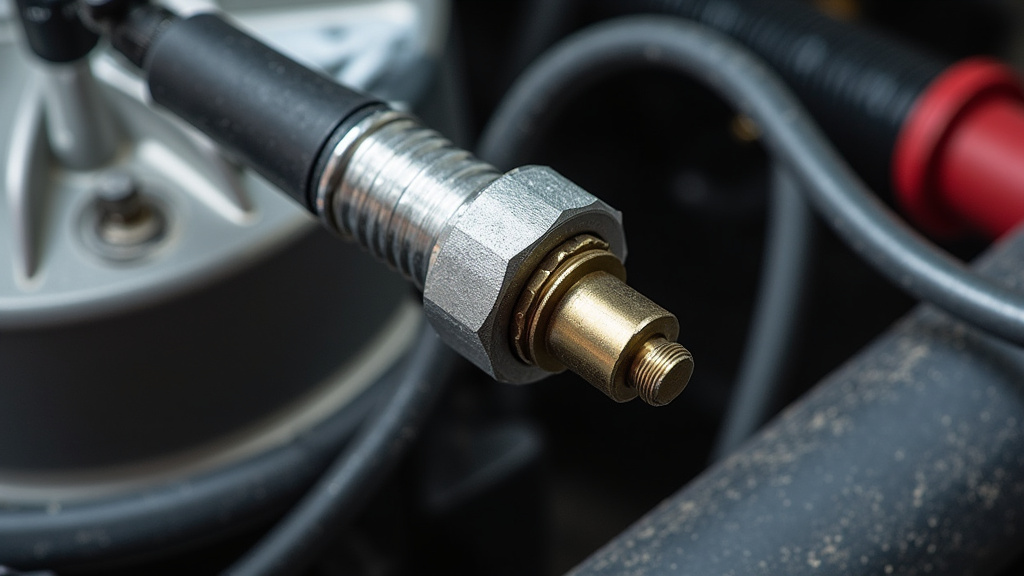
Next, visually inspect the oil sensor. It’s usually located near the bottom of the engine block, close to the oil pan. Look for any obvious signs of damage, like cracks or corrosion. Then, check the wiring connected to it. Are the wires securely attached? Is the insulation frayed or damaged? Gently tug on the wires to ensure they are firmly connected. A loose connection is a surprisingly common cause of electrical gremlins in many machines.
Cleaning Connections
If you see any corrosion on the sensor terminals or wire connectors, clean them. You can use a wire brush or fine-grit sandpaper. For a more thorough cleaning, use an electrical contact cleaner. Ensure everything is dry before reconnecting. Clean connections ensure a reliable signal path. This can often resolve intermittent issues.
3. Test the Oil Sensor (If Necessary)
If checking the oil level and connections doesn’t solve the problem, the sensor might be faulty. Testing it usually involves a multimeter. You’ll need to disconnect the wire from the sensor. Then, you’ll test for continuity or resistance. The exact procedure varies by generator model. Many sources recommend consulting your generator’s service manual for specific testing instructions (Popular Mechanics Guide).
Understanding Sensor Functionality
Most oil sensors work in one of two ways: they either close a circuit when oil pressure is low, or they open one. By using a multimeter, you can check if the sensor is behaving as expected. For example, if the oil level is good and the engine is off (low pressure), the sensor should indicate a “low oil” state. If the engine is running (high pressure), it should indicate a “normal oil” state. If it doesn’t, the sensor is likely bad.
4. Consider Other Potential Issues
While less common, other factors could lead to a shutdown. Overheating can sometimes mimic low oil pressure warnings. Ensure your generator’s cooling fins are clean and unobstructed. If your generator has a fuel shut-off solenoid that’s tied into the oil sensor circuit, a problem there could also cause a shutdown. These are more advanced troubleshooting steps, and you might need professional help for these.
When to Call a Professional
If you’ve gone through these steps and your generator still shuts off, it’s time to call in the experts. Some problems are too complex for DIY fixes. This is especially true if you’re uncomfortable working with electrical components or unfamiliar with your generator’s internal workings. A qualified generator technician has the tools and knowledge to diagnose and repair more complicated issues safely. Don’t risk further damage to your generator.
Generator Oil Sensor Maintenance Checklist
To prevent future shutdowns, regular maintenance is key. Here’s a quick checklist to keep your generator running smoothly:
- Check oil level weekly: Especially before extended use.
- Top off oil as needed: Use the correct type specified in your manual.
- Inspect sensor and wiring monthly: Look for damage or loose connections.
- Clean connections annually: Use contact cleaner if corrosion is present.
- Change oil per schedule: Follow your manual’s recommended intervals.
- Keep generator clean: Ensure cooling fins are free of debris.
Conclusion
Your generator’s oil sensor is a smart safety net. It stops your engine from running without enough oil. We’ve shown you how to check the oil level, inspect the sensor and its wiring, and even test the sensor if needed. Simple maintenance can prevent most shutdown issues. If you’ve tried these steps and your generator still quits, don’t hesitate to call a professional. Keeping your generator’s oil topped off and its connections clean is your best bet for reliable power.
Frequently Asked Questions
Why does my generator keep shutting off right after I start it?
This usually means the oil sensor is detecting a critical issue immediately. It could be that your oil level is extremely low, or the sensor itself might be faulty and sending a false signal. Check your oil level first and ensure it’s at the proper mark before attempting to restart.
Can I bypass the oil sensor if it’s causing problems?
While it might seem like a quick fix, bypassing the oil sensor is strongly discouraged. This sensor is a vital safety feature that prevents severe engine damage. Disabling it can lead to costly repairs if the engine runs without adequate lubrication.
How often should I check my generator’s oil level?
We recommend checking your generator’s oil level at least weekly, especially if you use it frequently or before any extended power outage. Always consult your owner’s manual for the manufacturer’s specific recommendations.
What’s the difference between low oil level and low oil pressure?
Low oil level is about the amount of oil in the crankcase. Low oil pressure means the oil pump isn’t circulating oil effectively. The oil sensor monitors both, and either condition can trigger a shutdown to protect the engine.
My generator’s oil sensor looks dirty. Can I just spray it with cleaner?
Yes, you can clean the sensor and its connections. Use a dedicated electrical contact cleaner and a soft brush or cloth for any corrosion. Ensure all parts are completely dry before reconnecting any wires to avoid short circuits.