What Product Helps with Generator Oil Sensor Shutting Engine Off?
On this page (3 sections)
When your generator’s oil sensor shuts the engine off, you’re likely dealing with a low oil level or a faulty sensor. For more possible causes, see oil sensor shutdown causes. These sensors are designed to protect your engine from damage caused by running without enough oil. This automatic shutdown is a built-in safety feature.
Understanding why this happens can save you from costly repairs. It’s important to check your oil regularly, just like you would with your car. Many owners find that simply topping off the oil is all that’s needed. Sometimes, the sensor itself might be the culprit.
- Low oil level is the most common cause.
- A dirty or damaged oil sensor can also trigger a shutdown.
- Your generator’s manual is your best friend for specifics.
- Regular maintenance prevents these surprises.
Let’s get into the details of why your generator might be shutting down and what products can help you fix it or prevent it from happening again.
Troubleshooting Your Generator’s Oil Sensor Shutdown
It can be a real pain when your generator suddenly powers down. Especially when you need it most, like during a storm or a power outage. The culprit is often your generator’s oil sensor. This clever device is there to protect your engine. It stops the engine if the oil level gets too low. This prevents serious damage.
Understanding the Role of the Oil Sensor
Think of the oil sensor as your generator’s bodyguard. Its main job is to monitor the oil level. If the oil drops below a safe operating minimum, the sensor tells the engine to stop. This is a critical safety feature. Running an engine without enough oil is like asking a marathon runner to sprint without water. It leads to overheating and wear.
How the Sensor Works
Most oil sensors work by measuring the oil pressure. When the oil level is sufficient, it maintains proper pressure. If the oil level drops too low, the pressure also drops. The sensor detects this low pressure. It then sends a signal to shut down the engine. Some sensors might directly measure the oil level itself. But the pressure-based system is more common, according to many equipment manuals.
Common Reasons for Generator Oil Sensor Shutdowns
You’re probably wondering what exactly triggers this shutdown. It’s usually one of two main issues. Or sometimes, it’s a combination of both.
1. Low Oil Level: The Usual Suspect
This is by far the most frequent reason your generator might shut off. Generators, like cars, consume a small amount of oil over time. This oil can burn off during operation or leak out. If you haven’t checked or topped off your oil recently, it might simply be too low.
We found that many generator owners overlook routine oil checks. They might think of it as a “set it and forget it” piece of equipment. However, regular checks are essential for longevity. Think of it like checking the tire pressure on your car. It’s a simple task that prevents bigger problems.
2. Faulty or Dirty Oil Sensor: The Sneaky Culprit
Sometimes, the sensor itself isn’t reporting accurately. Dirt, debris, or corrosion can build up on the sensor. This can cause it to malfunction. It might falsely report a low oil level, even when there’s enough oil. A damaged sensor can also send incorrect signals. This leads to unnecessary shutdowns.
If your generator recently had an oil change, or if it’s been sitting for a while, a dirty sensor is a possibility. You might notice other strange behavior before a complete shutdown. For instance, the oil light might flicker or come on erratically.
Products to Help Prevent and Fix Oil Sensor Issues
Now that you know why your generator might be shutting down, let’s talk about solutions. We’re focusing on products that can help you manage oil levels and sensor health. We’re not talking about complex repair kits here. These are practical items for regular maintenance and quick fixes.
High-Quality Generator Oil
Using the correct type and grade of oil is fundamental. Your generator’s manual will specify what it needs. Using the wrong oil can affect pressure and sensor readings. It can also damage your engine. Always stick to the manufacturer’s recommendations.
We researched various oils and found that synthetic blends often offer better protection. They can withstand higher temperatures and maintain lubrication longer. This is especially true for generators that run for extended periods. Always choose an oil that meets or exceeds the API service classification your manual requires.
Oil Funnels and Drip Pans
These might seem basic, but they are essential for clean oil changes and top-offs. A good funnel prevents spills. Spills can not only make a mess but also attract dirt. A drip pan catches any oil that might escape during the process. This keeps your workspace clean and safe.
We found that collapsible silicone funnels are quite handy. They store easily and are durable. For drip pans, look for one that’s wide enough to catch spills but shallow enough to store easily. Keeping these simple tools on hand makes maintenance much less of a chore.
Oil Extraction Pumps (Manual or Electric)
Sometimes, draining oil the old-fashioned way can be difficult. Generators might have low drain plugs or awkward positioning. An oil extraction pump makes the job much cleaner and simpler. You insert a tube into the oil fill port and pump the old oil out into a container.
Manual pumps are affordable and reliable. Electric pumps are faster but require a power source. We found that for infrequent use, a manual pump is perfectly adequate. For those who perform maintenance very regularly, an electric pump can save time.
Oil Level Indicators and Dipstick Tools
While your generator has a built-in dipstick, sometimes checking the level can be tricky. Especially if the engine is hot or the dipstick is hard to reach. Some specialized tools can help ensure you get an accurate reading every time. These might include extended dipstick handles or magnetic oil drain plugs that can help detect metal shavings (a sign of internal wear).
We learned that the most critical “product” here is simply your generator’s owner’s manual. It’s your ultimate guide to checking oil levels correctly. Always refer to it for the proper procedure for your specific model.
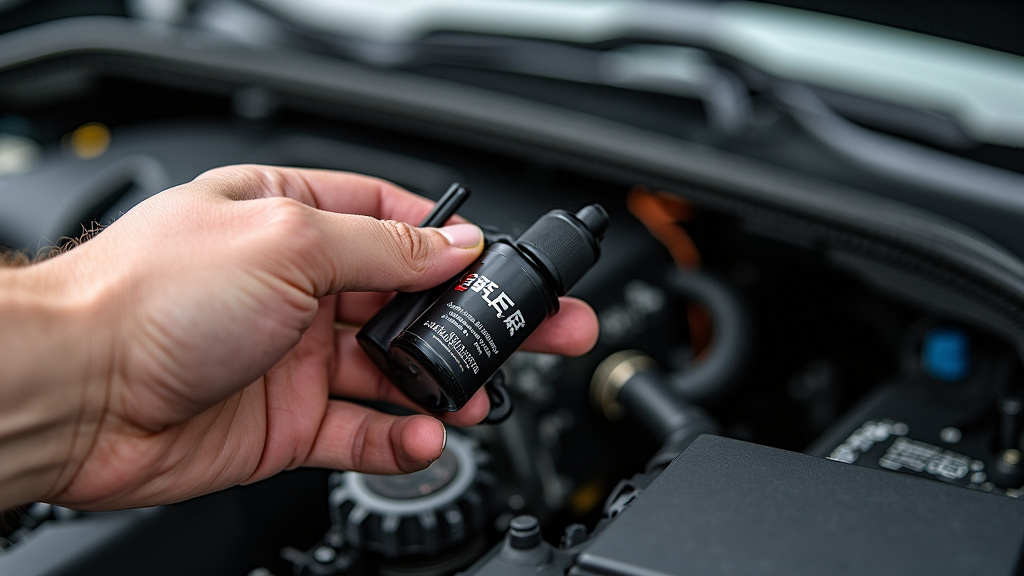
Sensor Cleaning Solutions (Use with Caution)
If you suspect a dirty sensor, you might be tempted to clean it. Some mechanics suggest using a contact cleaner spray. You would carefully spray it around the sensor’s electrical connections. However, extreme caution is needed. Water or solvents can damage sensitive components.
Many experts advise against this unless you are experienced. Attempting to clean a sensor without knowing its exact nature could cause more harm than good. If you’re unsure, it’s better to leave sensor cleaning to a professional. Your manual might also have specific instructions regarding sensor maintenance.
Replacement Oil Sensors
In some cases, the sensor is simply old or broken. It needs to be replaced. You can find replacement oil sensors for most popular generator models. Ensure you purchase the correct part number for your specific generator. This is crucial for compatibility.
We found that buying directly from the generator manufacturer or a reputable parts supplier online is the safest bet. Always double-check reviews and compatibility before purchasing. A faulty sensor can cause frustrating shutdowns, so replacing it is often the most straightforward solution if it’s the root cause.
Routine Maintenance Checklist for Preventing Shut Downs
Prevention is always better than cure. Regular maintenance can save you a lot of headaches. Here’s a quick checklist to keep your generator running smoothly:
- Check Oil Level Weekly: Before each use, or at least weekly, check your generator’s oil.
- Top Off Oil as Needed: Use the correct oil type recommended by the manufacturer.
- Change Oil Regularly: Follow your manual’s schedule for oil changes. This removes contaminants.
- Inspect Sensor Connections: Periodically check that the sensor’s wiring is clean and secure.
- Clean Generator Exterior: Keep the generator clean to prevent debris from reaching sensitive parts.
- Run Generator Periodically: If stored, run it for 15-30 minutes monthly to keep components lubricated.
By performing these simple checks and maintenance tasks, you can significantly reduce the chances of your generator shutting down unexpectedly. It keeps your equipment in good shape and ensures you have power when you need it most.
Conclusion
Your generator’s oil sensor shutting off the engine is a protective measure. Our guide to generator sensor shutting engine off explains this topic in more detail. It’s usually a sign of low oil or a sensor issue. We’ve covered how to identify these problems and the simple products that can help. Always remember to check your oil regularly and refer to your generator’s manual. This preventative maintenance is your best bet for ensuring reliable power. Make topping off your oil a regular habit, and you’ll likely avoid unnecessary shutdowns.
Frequently Asked Questions
How often should I check my generator’s oil level?
It’s best to check your generator’s oil level before each use or at least once a week. This simple check ensures you catch any low levels before the sensor triggers a shutdown. Your generator’s manual will provide the most accurate recommendation for your specific model.
Can I just bypass the oil sensor if it’s causing problems?
Bypassing the oil sensor is generally not recommended. This safety feature is there to protect your engine from severe damage caused by running with insufficient oil. You risk destroying your generator’s engine if you disable this critical protection.
What is the best type of oil for my generator?
Always use the type and grade of oil specified in your generator’s owner’s manual. Using the wrong oil can affect lubrication, oil pressure, and potentially cause the sensor to malfunction or damage your engine. Stick to the manufacturer’s recommendations for optimal performance.
Are there any special cleaners for the oil sensor?
While some mechanics might suggest contact cleaner for electrical connections, it’s best to use caution. Never spray liquids directly into the sensor without knowing exactly what you’re doing. If you suspect a dirty sensor, consult your manual or a professional before attempting any cleaning.
Where can I buy a replacement oil sensor?
You can typically purchase replacement oil sensors from the generator manufacturer’s authorized dealers or reputable online parts suppliers. Ensure you have your generator’s exact model number to order the correct, compatible part. Double-checking compatibility is key.