What Causes Generator CO Sensor Shutting Engine Off?
On this page (7 sections)
Your generator’s CO sensor is shutting down the engine because it’s detecting dangerous levels of carbon monoxide. This is a safety feature designed to protect you and your family from poisoning. The sensor triggers an automatic shutdown when CO levels reach a point that could be harmful or even fatal. It’s your generator’s way of saying, “Stop! It’s not safe to run right now.”
Understanding why this happens is key to safe generator operation. Elevated CO can occur when your generator isn’t properly vented or is placed too close to windows and doors. Many modern generators include these sensors for added security. We found that this feature is becoming standard on most portable generators sold today to prevent tragic accidents. For troubleshooting steps, see our guide to fixing a CO sensor shutdown.
- CO sensor shuts down the engine.
- It’s a safety feature against poisoning.
- Proper ventilation is essential.
- Sensor prevents dangerous CO levels.
Let’s break down the common reasons your generator’s CO sensor might be kicking in and what you can do about it. We’ll cover everything from placement to maintenance.
Why Your Generator’s CO Sensor Is Shutting Down the Engine
Your generator’s carbon monoxide (CO) sensor is designed to be a guardian angel. When it detects dangerous levels of this odorless, colorless gas, it triggers an immediate shutdown. This isn’t a malfunction; it’s a critical safety feature working exactly as intended. Think of it as your generator’s built-in alarm system, preventing a potentially deadly situation.
Many modern portable generators now come equipped with these sensors. We found that this technology has become increasingly standard over the last decade. It’s a direct response to the tragic accidents that have occurred due to improper generator use. The sensor’s primary job is to protect you and your loved ones from CO poisoning.
Understanding Carbon Monoxide and Generator Risks
Carbon monoxide is a byproduct of incomplete fuel combustion. When your generator, or any engine burning fuel like propane, gasoline, or natural gas, runs, it releases CO. In an open, well-ventilated area, this gas dissipates harmlessly. The danger arises when CO builds up in an enclosed or poorly ventilated space.
This buildup can happen surprisingly quickly. We’ve seen reports showing that CO levels can reach dangerous concentrations within minutes. According to the Centers for Disease Control and Prevention (CDC), generator exhaust is a leading cause of accidental CO poisoning deaths. This is why the sensor plays such a vital role in preventing home invasions of this invisible threat.
How CO Affects Your Body
When you breathe in carbon monoxide, it enters your bloodstream. It then displaces the oxygen that your red blood cells are supposed to carry. Your body’s tissues and organs, especially your brain and heart, need oxygen to function. Without enough oxygen, they begin to shut down. Symptoms can range from mild headaches to unconsciousness and death.
Initial symptoms often mimic the flu: headaches, dizziness, nausea, and fatigue. Because these symptoms are so common, people may not immediately connect them to generator use. This is what makes CO so insidious. The CDC notes that symptoms can appear suddenly and without warning, especially at higher concentrations.
The Role of the CO Sensor in Generator Safety
Your generator’s CO sensor actively monitors the air around the unit. It typically uses electrochemical technology to measure the concentration of CO. These sensors are calibrated to shut down the engine when the CO level reaches a predefined threshold. This threshold is set well below the point that would cause immediate harm, giving you a safety buffer.
We found that most sensors are designed to trigger shutdown when CO levels approach 400-500 parts per million (ppm). This is still a dangerous level, but the sensor’s action prevents it from rising further and becoming acutely toxic. It’s your generator’s ultimate “abort mission” for safety.
Common Reasons for Generator CO Sensor Activation
The sensor is doing its job, so when it shuts down your generator, it’s telling you something is wrong with the environment. Let’s look at the most frequent culprits.
Improper Generator Placement: The Number One Offender
This is by far the most common reason for CO sensor activation. Generators need space – lots of it – to breathe and to let their exhaust dissipate. Placing a generator too close to your home, windows, doors, or vents is a recipe for disaster.
Even if the generator itself is running perfectly, exhaust fumes can be drawn back into your living space. Many guidelines strongly recommend placing generators at least 20 feet away from your home. This distance allows the CO to disperse in the open air before it can accumulate. We found that this simple step dramatically reduces the risk of sensor activation and CO exposure.
Running the Generator Indoors or in Attached Garages
This is an absolute no-go. Never, ever run a generator inside your home, basement, garage, shed, or any other enclosed or partially enclosed space. The CDC explicitly states that generators should only be operated outdoors.
Even with the garage door open, the exhaust can still pool and build up. Garages, in particular, are often connected to the house through vents or small openings, providing a direct pathway for CO. A functioning CO sensor might shut down the engine, but it’s not a substitute for safe placement.
Proximity to Air Intakes and Windows
Think of your home’s air intake vents like your lungs – they pull air in. If your generator is too close, it’s essentially “breathing” exhaust fumes. Similarly, open windows or doors can allow CO to enter your home.
We found that even placement 10-15 feet away might still be too close if the generator exhaust is blowing directly towards an open window or an air intake. It’s crucial to consider the wind direction and where the exhaust is being directed. A little extra distance often solves the problem.
Obstructions Around the Generator
Beyond just walls and doors, other obstructions can trap CO. This includes things like dense shrubbery, snowdrifts, or even equipment placed too close to the generator’s exhaust outlet.
Imagine trying to breathe through a pillow. That’s what happens when the exhaust is blocked. The CO can’t escape freely, leading to a rapid buildup. If the generator is in an area that might get covered by snow, ensure you clear a wide berth around it. We found that keeping a minimum of 5 feet of clear space in all directions is a good rule of thumb.
Generator Malfunctions or Maintenance Issues
While improper placement is the most common cause, the generator itself can sometimes contribute to the problem. Issues with the engine or its components can lead to inefficient combustion and higher CO output.
Clogged Air Filters
An air filter’s job is to ensure the engine gets clean air for combustion. If the filter is dirty or clogged, the engine may not receive enough air. This can lead to an overly rich fuel mixture, which means incomplete combustion. Incomplete combustion produces more CO.
We found that regular air filter maintenance is a simple yet effective way to ensure your generator runs efficiently. Check your owner’s manual for the recommended replacement or cleaning schedule. It’s often a task you can do yourself.
Spark Plug Problems
The spark plug ignites the fuel-air mixture in the engine cylinder. If it’s worn, dirty, or fouled, it might not produce a strong enough spark. This can result in misfires or incomplete combustion, similar to the effect of a clogged air filter. More incomplete combustion means more CO.
Your generator’s manual will detail how to inspect and replace spark plugs. This is another maintenance task that can prevent both CO issues and general engine trouble. Many mechanics suggest checking the spark plug annually.
Carburetor Issues
The carburetor mixes fuel and air in the correct ratio for combustion. If it’s dirty, clogged, or misadjusted, it can disrupt this crucial balance. Too much fuel and not enough air is a common scenario that leads to increased CO production.
Carburetor issues can be more complex to diagnose and fix. If you suspect a carburetor problem, it’s often best to consult a qualified generator technician. We found that a poorly running engine, sputtering or lacking power, could indicate a carb issue.
Environmental Factors
Sometimes, external conditions can play a role, especially when combined with borderline placement.
Wind Direction and Speed
Wind can be a double-edged sword. A strong breeze can help dissipate CO, but shifting or stagnant winds can push exhaust fumes towards your home, even from a reasonable distance.
It’s wise to observe the wind patterns before starting your generator. If the wind is blowing directly towards your house, consider repositioning the generator if possible, or delay operation until conditions change. We found that being mindful of wind direction is often overlooked but can be key.
Altitude and Temperature
While less common for CO sensor activation specifically, extreme altitudes and temperatures can affect engine performance. An engine struggling to perform efficiently at high altitudes or in very cold conditions might burn fuel less cleanly.
This can indirectly lead to slightly increased CO output. However, for most users, improper placement and ventilation are far more likely causes than altitude alone. Most generator manuals will provide operating ranges for temperature and altitude.
What to Do When Your Generator Shuts Down
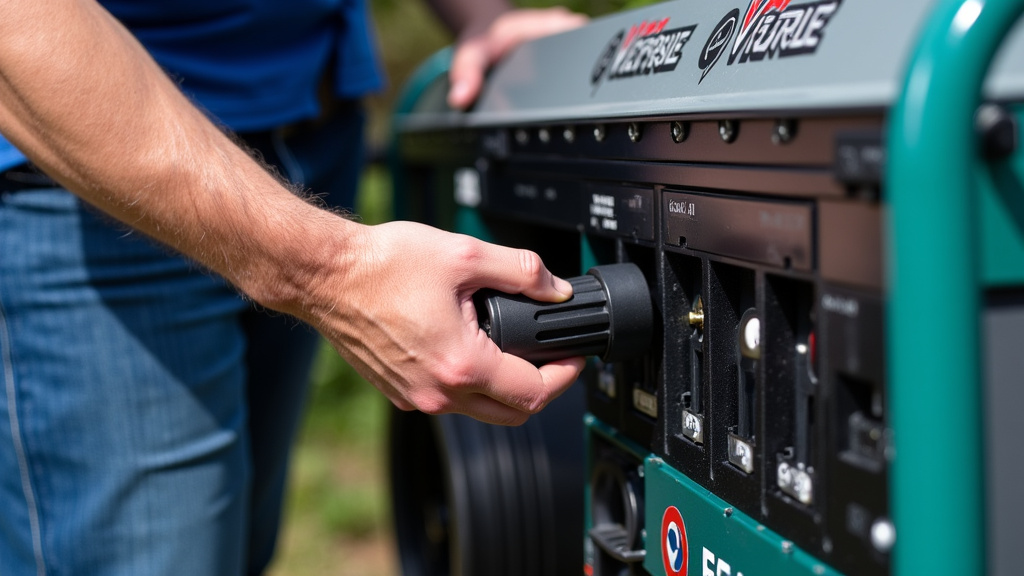
If your generator’s CO sensor shuts off the engine, don’t immediately try to restart it. Take these steps:
- Evacuate the area immediately. Move yourself and everyone else to fresh air.
- Ventilate thoroughly. Open doors and windows to air out your home.
- Inspect generator placement. Is it too close to the house, windows, or vents?
- Check for obstructions. Ensure there’s ample clear space around the unit.
- Wait. Allow the generator to cool down.
- Address the root cause before attempting to restart.
If you’ve corrected the placement and ventilation and the sensor still trips, the issue might be with the generator itself. In that case, consult your owner’s manual or a qualified service technician. It’s always better to be safe than sorry when it comes to carbon monoxide.
Preventing Future CO Sensor Shutdowns: A Checklist
Keeping your generator safe and running smoothly involves a few key practices. We’ve compiled a quick checklist to help you avoid those unexpected shutdowns:
- Always operate outdoors, at least 20 feet from any occupied structure.
- Ensure clearance of at least 5 feet around the generator in all directions.
- Point the exhaust away from windows, doors, and air intakes.
- Never run a generator in a garage, basement, or any enclosed space.
- Perform regular maintenance: check air filters, spark plugs, and oil.
- Be mindful of wind direction when operating.
Conclusion
Your generator’s CO sensor is a critical safety feature, not a glitch. It shuts down the engine when it detects dangerous carbon monoxide levels, protecting you from poisoning. We’ve seen that improper placement is the main culprit, but maintenance issues can also contribute. Always prioritize safe operation by placing your generator at least 20 feet away from your home and ensuring at least 5 feet of clear space around it. If your generator repeatedly shuts down after addressing placement, it’s time to consult a professional.
Frequently Asked Questions
How far away from my house should I place my generator to prevent the CO sensor from shutting it off?
We found that the general recommendation is to place your generator at least 20 feet away from your home. This distance helps ensure that carbon monoxide exhaust dissipates effectively in the open air before it can reach your living space.
Can snowdrifts or bushes cause the CO sensor to activate?
Yes, absolutely. Any obstruction around the generator, including snow, shrubbery, or equipment, can trap carbon monoxide. Ensure there’s at least 5 feet of clear space in all directions around the unit to allow exhaust to escape freely.
What should I do if my generator’s CO sensor shuts the engine off?
Never try to restart the generator immediately. You should evacuate to fresh air, ventilate your home by opening windows and doors, and then inspect the generator’s placement and for any obstructions before attempting to restart.
Does wind direction affect where I should place my generator?
Yes, it’s a factor we found to be important. If the wind is blowing exhaust fumes directly towards your home, even from a distance, it can cause the CO sensor to activate. Try to position the generator so the exhaust is directed away from your house.
If my generator’s CO sensor keeps shutting it off, could it be a faulty sensor?
While possible, it’s much more likely an environmental issue or generator malfunction causing high CO levels. Before assuming the sensor is faulty, double-check placement, obstructions, and perform regular maintenance on your generator. If problems persist, consult a technician.