
What Is a Dual Fuel Generator Needed for Safe Operation?
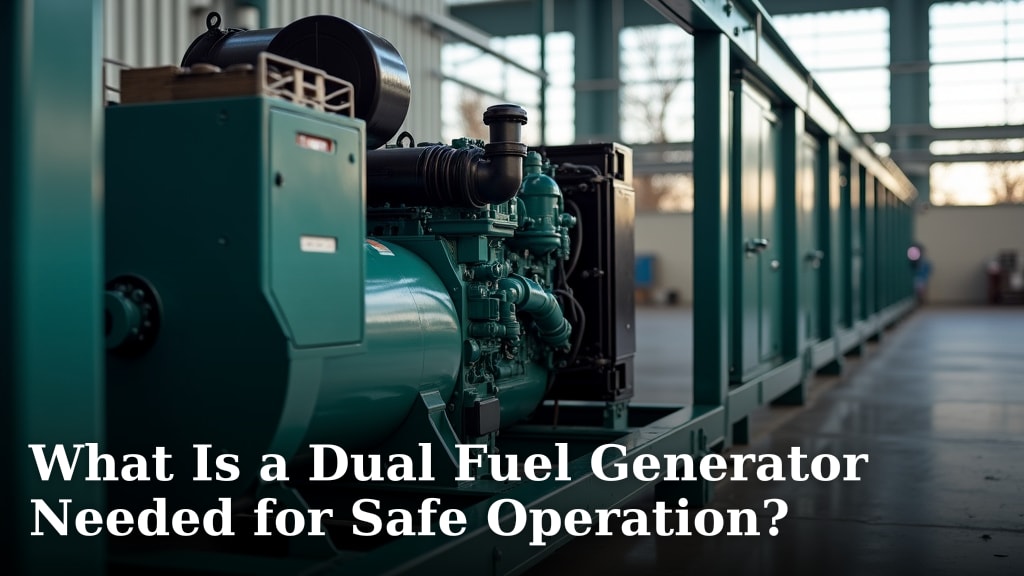
A dual fuel generator operates safely when you follow manufacturer guidelines and use proper ventilation. These generators offer flexibility but require careful handling to avoid hazards like carbon monoxide poisoning.
You need to understand the unique safety measures for both propane and gasoline operation. We found that safe operation means more than just turning it on. It involves proper setup, fueling, and maintenance routines for your dual fuel generator.
- Dual fuel generators offer versatility with propane and gasoline.
- Always prioritize proper ventilation to prevent carbon monoxide buildup.
- Read your generator’s manual for specific safety instructions.
- Never operate a generator indoors or in enclosed spaces.
- Regular maintenance helps ensure safe and efficient performance.
Let’s walk through everything you need to know to operate your dual fuel generator safely and efficiently. We’ll help you get the most out of your investment without compromising your well-being.
Understanding Safe Operation for Your Dual Fuel Generator
You want to keep your family safe while powering your home. We understand that. Operating a dual fuel generator safely involves understanding its unique features and potential hazards. It’s not just about turning it on; it’s about making smart choices before, during, and after use.
A dual fuel generator offers flexibility, but with that comes the responsibility of managing two fuel types: gasoline and propane. Each has its own set of safety considerations, which we’ll cover in detail.
Prioritizing Ventilation to Prevent Carbon Monoxide
This is probably the single most important safety rule. Carbon monoxide (CO) is an invisible, odorless killer. Your generator, whether running on gasoline or propane, produces CO. You can’t see it, taste it, or smell it.
The only way to protect yourself is through proper ventilation. This means never operating your generator indoors. Not in your garage, not in your basement, not in a shed, and certainly not inside your home.
Where to Safely Place Your Generator
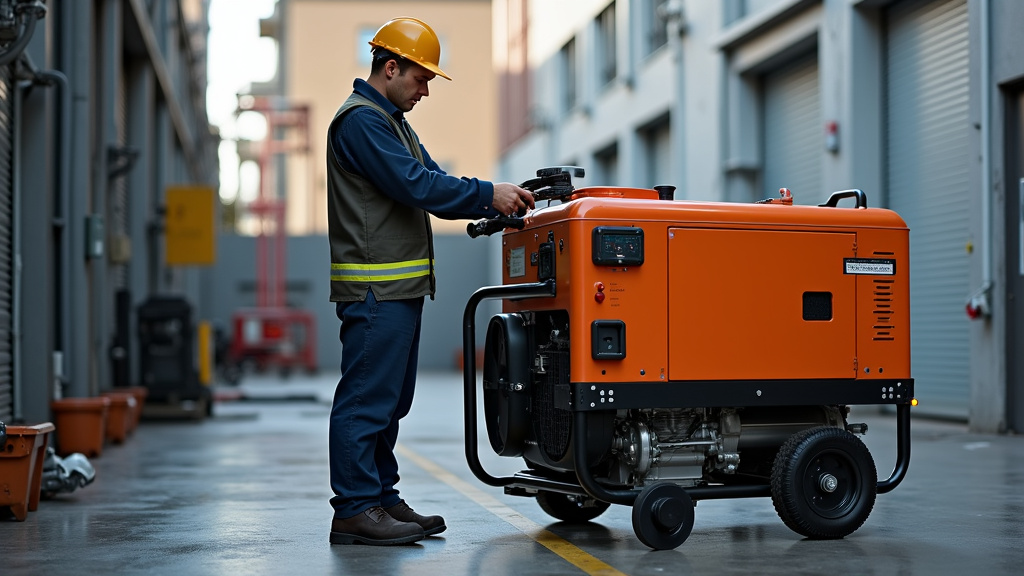
So, where should it go? We found that experts recommend placing your generator at least 20 feet away from your home. It should be downwind from any windows, doors, or vents that could allow exhaust fumes to drift inside.
Think of it like this: your generator needs its own outdoor “room” with plenty of fresh air. A sturdy, level surface away from flammable materials is ideal. Keep it out of reach of children and pets, too.
The Importance of Carbon Monoxide Detectors
Even with proper outdoor placement, CO can still be a threat. That’s why we recommend installing battery-operated CO detectors inside your home. Place them near sleeping areas and on every level of your house.
Check these detectors regularly to make sure they are working. A working CO detector is your last line of defense against this silent danger. It’s a small investment for significant peace of mind.
Handling Fuel Safely: Gasoline vs. Propane
Your dual fuel generator gives you options, but each fuel type demands careful handling. Understanding these differences is key to preventing accidents.
Always keep fuel containers away from ignition sources. This includes open flames, pilot lights, or anything that could spark. Think “no smoking” zones around your fuel storage.
Gasoline Safety Best Practices
Gasoline is highly flammable. When handling gasoline, always use an approved fuel container. These containers are designed to prevent spills and contain vapors.
We found that you should never store gasoline inside your home. Store it in a cool, dry place like a shed or detached garage, away from heat sources. Fill your generator’s fuel tank outdoors and when the engine is cool.
Spills happen. If you spill gasoline, clean it up immediately. Allow the vapors to dissipate before starting the generator. This might seem obvious, but rushing can lead to mistakes.
Propane Safety Best Practices
Propane, while different from gasoline, also requires respect. It’s stored under pressure in tanks. We found that you should always inspect your propane tank and hose for leaks before connecting it.
A simple soap and water solution can help you detect leaks: apply it to connections, and if you see bubbles, you have a leak. Don’t use the tank if it’s leaking. Store propane tanks outdoors, upright, and on a stable surface. Keep them away from direct sunlight and excessive heat.
Remember, never store propane tanks in enclosed spaces like garages or basements. If you smell gas, turn off the tank valve immediately and ventilate the area. Safety first, always.
Essential Pre-Operation Checks and Setup
Before you even think about starting your generator, there are some vital steps. Skipping these steps can lead to inefficiencies or, worse, dangerous situations. A little planning goes a long way.
- Read Your Manual: This is your generator’s bible. It contains specific safety and operational instructions unique to your model.
- Inspect the Generator: Look for any visible damage, loose wires, or fuel leaks. A quick visual check can prevent problems.
- Check Fluid Levels: Ensure the oil level is correct. Some generators might also have other fluid checks.
- Grounding Your Generator: Some larger generators require grounding to prevent electrical shock. Consult your manual for guidance.
- Placement Confirmed: Double-check that it’s 20 feet away from your home and away from anything flammable.
Connecting Your Generator Safely to Your Home
This is where things can get tricky and potentially very dangerous if not done correctly. We’ve heard too many stories of backfeeding, which can cause serious harm to utility workers and your own home.
Why Backfeeding Is Extremely Dangerous
Backfeeding occurs when you plug a generator directly into a wall outlet in your home. This sends electricity back into the utility grid. If a power line worker is repairing lines, they could be electrocuted.
It also creates a fire hazard in your home and can damage your appliances. Never, ever backfeed your generator. It’s illegal and incredibly unsafe. This isn’t just a suggestion; it’s a rule with serious consequences.
The Safe Way: Transfer Switch Installation
The only safe way to connect a generator directly to your home’s electrical system is through a professionally installed transfer switch. This device isolates your home’s electrical system from the utility grid during an outage.
When the generator is running, the transfer switch prevents power from flowing back into the utility lines. When utility power is restored, it seamlessly switches your home back. This should always be done by a qualified electrician.
For temporary power, you can use heavy-duty outdoor-rated extension cords to power individual appliances. Make sure these cords are rated for outdoor use and can handle the load. Avoid running cords under carpets or through windows where they can be pinched or damaged.
Maintaining Your Generator for Long-Term Safety
Regular maintenance isn’t just about extending the life of your generator; it’s a critical part of safe operation. Think of it as a preventative health check for your power source.
We found that following the manufacturer’s maintenance schedule helps prevent unexpected failures. This could include oil changes, spark plug replacements, and air filter cleaning. A well-maintained generator runs more efficiently and safely.
Store your generator properly when not in use. This might involve fuel stabilizers if storing gasoline or simply disconnecting and storing propane tanks separately. Protect it from the elements to prevent rust and corrosion, which can lead to safety issues down the line.
| Safety Consideration | Gasoline Operation | Propane Operation |
|---|---|---|
| Fuel Storage | Approved containers, outside, cool/dry, away from heat. | Tanks upright, outside, away from direct sun/heat. |
| Filling Generator | Outdoors, engine cool, no smoking/sparks. | Connect hose securely, check for leaks (soap test). |
| Spill/Leak Risk | Flammable vapors, clean immediately. | Gas smell indicates leak, turn off valve, ventilate. |
| Carbon Monoxide | Always produced, requires proper ventilation. | Always produced, requires proper ventilation. |
| Long-Term Storage | Consider fuel stabilizer or drain fuel. | Disconnect tank, store separately. |
Emergency Preparedness and What to Do
Even with all precautions, sometimes things go wrong. Knowing what to do in an emergency can make all the difference. Stay calm and act quickly.
If you smell gasoline or propane, or if your CO alarm sounds, shut off the generator immediately. Move everyone to fresh air and call emergency services if you suspect a serious leak or CO exposure.
Keep a fire extinguisher specifically rated for electrical and flammable liquid fires (Class B and C) near your generator, but not so close that you can’t reach it safely. Know how to use it.
Emergency Checklist: Quick Reference
- Know where your generator’s shut-off switch is.
- Keep a fire extinguisher (Class B/C) nearby and know how to use it.
- Have working CO detectors with fresh batteries in your home.
- Know the symptoms of carbon monoxide poisoning (headache, dizziness, nausea).
- Have a plan to get everyone out of your home if CO is detected.
Final Thoughts on Responsible Generator Use
Operating a dual fuel generator safely is a commitment. It means being proactive, following guidelines, and never cutting corners. Your generator is a powerful tool designed to provide comfort and security during outages.
However, that power comes with responsibility. By understanding the risks, implementing safety measures, and maintaining your equipment, you can harness its benefits without putting yourself or your loved ones in danger. We hope this guide helps you feel more confident and prepared.
Conclusion
You now have the essential knowledge to operate your dual fuel generator safely. We’ve covered everything from preventing carbon monoxide to handling fuel and connecting your generator responsibly. Remember, your safety and the safety of those around you are paramount.
By following manufacturer instructions, ensuring proper ventilation, and using a transfer switch for home connection, you’re making smart choices. Regular maintenance also extends your generator’s life and keeps it safe. Stay prepared and prioritize safety every time you use your generator.
Frequently Asked Questions
Can I use my dual fuel generator in a covered patio or carport?
No, you should never operate your generator in a covered patio, carport, or any partially enclosed space. These areas can trap dangerous carbon monoxide fumes. Always ensure your generator is in a completely open outdoor area, at least 20 feet from your home.
How often should I check my carbon monoxide detectors when using a generator?
We recommend checking your CO detectors before each use of your generator and testing them monthly. Make sure they have fresh batteries. A working detector is a critical safety device when operating any generator.
Is it safe to refuel my generator while it’s running?
Absolutely not. You should always turn off your generator and allow it to cool down completely before attempting to refuel it. Refueling a hot generator can lead to dangerous spills and potential fires or explosions.
What kind of extension cords should I use with my generator?
You should only use heavy-duty, outdoor-rated extension cords that are appropriate for the wattage of your appliances. Inspect cords for damage before each use. Never run cords under carpets or through doorways where they can be pinched or damaged.
What are the signs of carbon monoxide poisoning?
Symptoms of CO poisoning can include headache, dizziness, nausea, vomiting, confusion, and weakness. If you or anyone experiences these symptoms while your generator is running, move immediately to fresh air and seek medical attention. Check your CO detectors and generator placement.
