How to Fix Generator Making a Knocking Noise?
On this page (6 sections)
A knocking noise from your generator can be alarming, but it often means internal engine damage or a problem with your fuel-air mixture. The good news is that many common causes are fixable without a mechanic if you’re comfortable doing some basic checks. Don’t panic; we’ll help you figure out what’s going on.
This sound is your generator’s way of telling you something’s off. It’s not just a random rattle; it points to specific issues like loose engine parts or improper combustion. Ignoring it could lead to more serious and costly repairs down the line, so it’s smart to address it promptly.
- The knocking noise often signals internal engine issues.
- Check for loose parts and fuel-air mixture problems first.
- Proper maintenance can prevent many knocking sounds.
- Safety first: always disconnect power before inspecting.
- Some fixes require professional help; know when to call a pro.
Let’s walk through the most common reasons your generator might be knocking and how you can tackle them.
Troubleshooting Your Generator’s Knocking Noise
When your generator starts making a knocking sound, it’s natural to feel a bit uneasy. This noise isn’t just background chatter; it’s often a sign that something needs your attention inside the engine. We’ve found that many people can fix this issue themselves with a few simple checks. Let’s break down the common culprits and how you can get your generator purring smoothly again.
Common Causes of Generator Knocking
Low Oil Level or Poor Oil Quality
One of the most frequent reasons for a knocking sound is a lack of lubrication. Your generator’s engine needs oil to run smoothly. When the oil level drops too low, metal parts can start to grind against each other, creating that knocking noise. We’ve seen this happen more times than we can count!
It’s not just about the amount of oil; the quality matters too. Old, dirty oil loses its lubricating properties. Think of it like trying to slide on a floor covered in grit instead of a smooth polish. If your oil looks dark or sludgy, it’s probably time for a change.
Checking and Adding Oil
First, always make sure your generator is completely off and cool. Locate the oil dipstick. Pull it out, wipe it clean, reinsert it fully, and pull it out again. Check the oil level against the markings on the dipstick. If it’s low, you’ll need to add the correct type of oil specified in your generator’s manual. Don’t overfill it; that can cause its own set of problems.
When to Change Your Oil
Your generator’s manual will tell you how often to change the oil. If you’re unsure, a good rule of thumb is to change it after every 100 hours of use or at least once a year. We found that keeping up with oil changes is one of the easiest ways to prevent engine damage and keep knocking noises at bay.
Fuel and Combustion Issues
Sometimes, the knocking isn’t from a loose part but from how the fuel is burning. This is often called engine pinging or detonation. It happens when the fuel-air mixture ignites too early or unevenly in the cylinder. You might hear a sharp, metallic knocking sound, especially when the generator is under a heavy load.
Using the Right Fuel
The type of gasoline you use can make a big difference. Many generators, especially smaller portable ones, are designed for regular unleaded gasoline. Using higher octane fuel than recommended won’t help and might even cause issues. On the flip side, using old or contaminated fuel can lead to poor combustion.
We found that fuel that’s been sitting for months, especially with ethanol, can break down. This can lead to gumming and carburation problems, contributing to that knocking sound. Always use fresh fuel and store it properly in a clean container. Many experts suggest adding a fuel stabilizer if you won’t be using the generator for a while (U.S. Environmental Protection Agency).
Carbon Buildup
Over time, carbon deposits can build up inside the engine’s combustion chamber. These deposits can get red hot and prematurely ignite the fuel-air mixture, causing a knocking sound. This is similar to how a faulty spark plug can cause problems.
Addressing Carbon Buildup
A good way to combat carbon buildup is by using a quality fuel system cleaner periodically. Running your generator under a consistent load for a short period can also help burn off some of these deposits. For severe buildup, a professional cleaning might be necessary.
Loose Engine Components
Mechanical issues are another common source of knocking. If parts within the engine are loose, they can vibrate and hit against other components, creating that distinct knocking sound. This is where things can get a bit more serious, but often fixable.
Checking the Spark Plug
A loose or improperly gapped spark plug can cause a variety of engine problems, including knocking. If the spark plug isn’t seated correctly, it might not seal properly, leading to combustion issues. We recommend checking your spark plug for tightness and ensuring it’s clean and properly gapped according to your manual.
Connecting Rod Issues
The connecting rod links the piston to the crankshaft. If the bearings on the connecting rod become worn or loose, you’ll hear a deep, rhythmic knocking sound that often gets louder with engine speed. This is a more serious internal engine problem that might require professional attention. Many mechanics consider a worn connecting rod bearing a significant cause of generator knocking.
Piston Slap
Sometimes, the piston can rock back and forth within the cylinder, especially when the engine is cold. This creates a slapping or knocking sound. This is often more noticeable when the engine is first started and may lessen as it warms up. Worn cylinder walls or pistons can cause this.
Overheating
Generators can overheat, especially if they’re not getting enough airflow or are working too hard for too long. Overheating can lead to improper combustion and, you guessed it, knocking sounds. It’s like trying to run a marathon on a scorching hot day; your body just doesn’t perform well.
Ensuring Proper Ventilation
Make sure your generator has plenty of clear space around it. Don’t place it in an enclosed area or too close to walls or other obstructions. Good airflow is essential for keeping the engine cool. We found that obstructions blocking air vents are a surprisingly common cause of overheating.
Cooling System Maintenance
Air-cooled generators rely on fins and airflow. Keep these fins clean and free of debris. If your generator has a cooling fan, ensure it’s running correctly and not damaged. If you have a liquid-cooled generator (less common in portables), check your coolant levels and radiator.
Safety First: Before You Start Checking
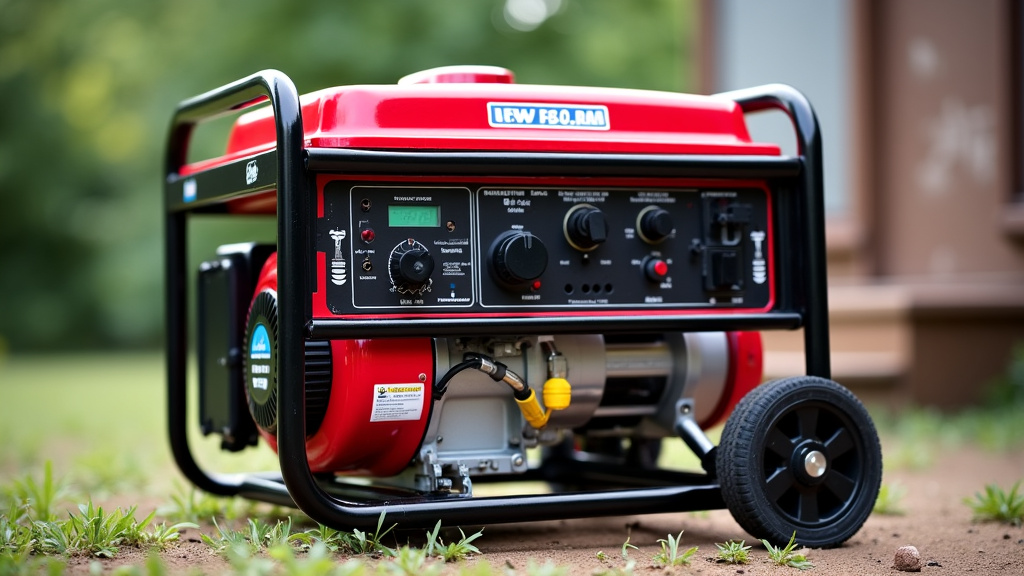
It’s absolutely critical to follow safety precautions. Before you touch any part of the generator, turn it off completely. Disconnect any attached loads. If it’s been running, let the engine cool down completely before you begin any inspections. We can’t stress this enough – safety is your top priority!
When to Call a Professional
While many generator knocking issues can be resolved with basic maintenance, some problems are more complex. If you’ve checked the oil, fuel, spark plug, and ventilation, and the knocking persists, it might be time to consult a qualified generator technician. Deep internal engine issues, like worn bearings or significant piston damage, often require specialized tools and expertise. It’s better to pay for a repair than to risk causing more damage to your generator.
Here’s a quick checklist to guide your initial inspection:
- Turn off and cool down: Ensure the generator is completely off and cool before inspecting.
- Check oil level: Verify the oil is within the recommended range.
- Inspect fuel: Ensure it’s fresh and the correct type.
- Listen closely: Try to pinpoint where the noise is coming from.
- Look for obvious damage: Check for loose parts or debris.
- Consult your manual: Always refer to your owner’s manual for specific guidance.
Conclusion
You’ve learned that a knocking generator isn’t a problem to ignore. We’ve covered common causes like low oil, fuel issues, and loose parts. By performing regular checks and maintenance, you can often fix these problems yourself. Always remember to prioritize safety by turning off and cooling down your generator before any inspection. If you’ve tried these steps and the knocking persists, don’t hesitate to seek professional help. Keeping your generator in good working order ensures reliable power when you need it most.
Frequently Asked Questions
How often should I check my generator’s oil?
We recommend checking your generator’s oil level before each use, especially if it’s been sitting for a while. A quick glance at the dipstick is a simple way to prevent engine damage caused by low lubrication. Always refer to your owner’s manual for the exact procedure.
Can I use any type of gasoline in my generator?
Generally, most portable generators run best on regular unleaded gasoline. Using higher octane fuel than recommended usually doesn’t improve performance and can sometimes cause issues. Always check your generator’s manual to confirm the correct fuel type and octane rating.
Is knocking worse when the generator is cold or hot?
Some knocking sounds, like piston slap, are often more noticeable when the generator is cold. As the engine warms up, the metal parts expand, and the noise may lessen. However, persistent knocking at any temperature usually indicates an issue that needs attention.
What does it mean if the knocking sound gets louder when I put a load on the generator?
When knocking intensifies under load, it often points to combustion issues like detonation or a problem with how the engine is handling the increased demand. This could be related to fuel quality, carbon buildup, or an engine component struggling to perform under stress. It’s a strong signal to investigate further.
My generator is only a few months old and it’s knocking. What should I do?
Even new generators can develop knocking sounds. Start with the basic checks: oil level and quality, fuel freshness, and ensure there are no obvious loose parts. If you can’t find an easy fix, especially with a newer unit, it’s best to contact the manufacturer or a qualified service center under warranty. This ensures you don’t void your warranty.