What Product Helps with Generator Making a Knocking Noise?
On this page (6 sections)
If your generator is making a knocking noise, it’s often a sign of low oil levels or a problem with the engine’s internal components. Addressing this issue quickly is key to preventing further damage and ensuring your generator runs smoothly.
A knocking sound can be startling, but it usually points to a few common culprits. We found that understanding these can save you a lot of worry and potential repair costs. It’s about spotting the symptoms early and knowing what they mean for your generator’s health.
- Knocking often means low oil or engine trouble.
- Checking oil is the first, easiest step.
- Listen for when the noise happens (startup, running, stopping).
- Strange noises mean it’s time for a check-up.
Let’s walk through what that knocking sound could mean and what you can do about it.
Troubleshooting Generator Knocking Noises
A knocking sound from your generator can be alarming. It often signals something is not quite right under the hood. We found that this noise is your generator’s way of telling you it needs attention. Ignoring it could lead to bigger problems down the road. The good news is, many times the fix is simpler than you might think.
When Did the Knocking Start?
Pinpointing when the noise began helps us diagnose the issue. Did it start right after you turned the generator on? Does it happen only when it’s running under a load? Or does it occur as the engine is shutting down? Your observations can be key clues.
Startup Knocking
A knock at startup can sometimes indicate fueling issues. Maybe the fuel isn’t igniting quite right. This can cause a rougher start and a distinct knocking sound. We found that checking the fuel type and its freshness is a good first step here.
Running Under Load Knocking
If the knocking only appears when you’re drawing power, it might be related to the engine’s performance under stress. This is a more serious sign. It could mean internal engine wear or a combustion problem. Many experts say this warrants immediate investigation.
Shutdown Knocking
A knock as the generator stops could point to a few things. It might be related to the engine’s internal parts settling. Sometimes, it’s a sign that components aren’t perfectly aligned or are experiencing unusual friction. Research suggests this can also be a symptom of oil-related issues.
Common Causes of Generator Knocking
Let’s break down the most frequent reasons your generator might be making that alarming knocking sound. We’ve seen these culprits pop up time and again.
Low Engine Oil: The Usual Suspect
This is, by far, the most common reason for a knocking sound. When your generator’s engine oil level is too low, the metal parts inside don’t get enough lubrication. This friction can cause them to hit against each other, creating that distinct knock. It’s like trying to run a squeaky door hinge without any oil – it’s bound to make noise!
Low oil can lead to serious engine damage if not addressed quickly. Many manufacturers recommend checking your oil level before every use, especially if the generator has been sitting for a while. It’s a simple step that can save you a lot of heartache.
How to Check and Add Oil
Your generator’s manual will show you the exact location of the oil dipstick. Generally, you’ll find it near the engine’s oil fill cap. Make sure the generator is on a level surface when you check. Pull out the dipstick, wipe it clean, reinsert it fully, then pull it out again to check the level. If it’s below the “add” or “low” mark, it’s time to top it off.
Use the type and weight of oil recommended in your manual. Adding the wrong kind can cause its own set of problems. Pour oil slowly and carefully, checking the dipstick periodically until you reach the full mark. Do not overfill, as this can also damage the engine.
Internal Engine Problems: The More Serious Scenarios
If you’ve confirmed your oil level is adequate and the knocking persists, the issue likely lies within the engine’s moving parts. This is where things can get a bit more technical.
Piston Slap
Sometimes, the piston inside the cylinder can become slightly loose. As it moves up and down, it can “slap” against the cylinder wall. This is often more noticeable when the engine is cold and can lessen as it warms up. We found that piston slap is a sign of wear and tear.
Rod Knock
This is a more severe type of knock. It occurs when the connecting rod bearing, which connects the piston to the crankshaft, is worn out. There’s too much play, and the rod can knock against the crankshaft. This sound is often a deep, heavy thud. Many mechanics consider this a critical issue that requires immediate attention to prevent catastrophic engine failure.
Valve Train Issues
The valves in your engine open and close to let fuel in and exhaust out. If the valve train components (like lifters or tappets) are worn or not properly adjusted, they can create a ticking or knocking sound. This might sound less like a heavy knock and more like a rapid clicking, but it can sometimes be perceived as a knock.
Carbon Buildup
Over time, carbon deposits can build up inside the engine’s combustion chamber. This can increase the compression ratio, leading to pre-ignition or “pinging.” This is often mistaken for a knock. It happens when the fuel-air mixture ignites too early, before the spark plug fires. We found that using quality fuel and performing regular maintenance can help prevent this.
What Products Can Help?
When facing a knocking generator, the “product” you need is often not a single additive or quick fix, but rather a set of maintenance steps and potentially specific fluids.
High-Quality Engine Oil
The most critical “product” for preventing and addressing knocking is the right engine oil. Using an oil that meets or exceeds your generator manufacturer’s specifications is essential. High-quality synthetic oils can offer better lubrication and protection, especially under demanding conditions.
Some oil additives are marketed to reduce engine noise. While a good oil is the primary solution, certain additives claim to help with lubrication or cleaning internal parts. However, we found that many experts advise caution with aftermarket additives. They can sometimes cause more harm than good if not chosen carefully and used sparingly. Always consult your generator’s manual before adding anything to the oil.
Fuel Stabilizers
If your knocking is related to pre-ignition or poor combustion, especially after the generator has been stored, a fuel stabilizer can be a helpful product. These products prevent fuel from degrading and forming gummy deposits. This ensures cleaner combustion and can help prevent knocking caused by fuel issues.
Cleaning Agents (Use with Caution!)
In cases of suspected carbon buildup, some specific engine cleaning products are available. These are typically added to the fuel or oil system and run through the engine to help break down deposits. However, these are often more aggressive. They are usually recommended for professional use or with extreme caution. For most DIY generator owners, regular maintenance with clean fuel and the correct oil is the safer route.
Preventative Maintenance is Key
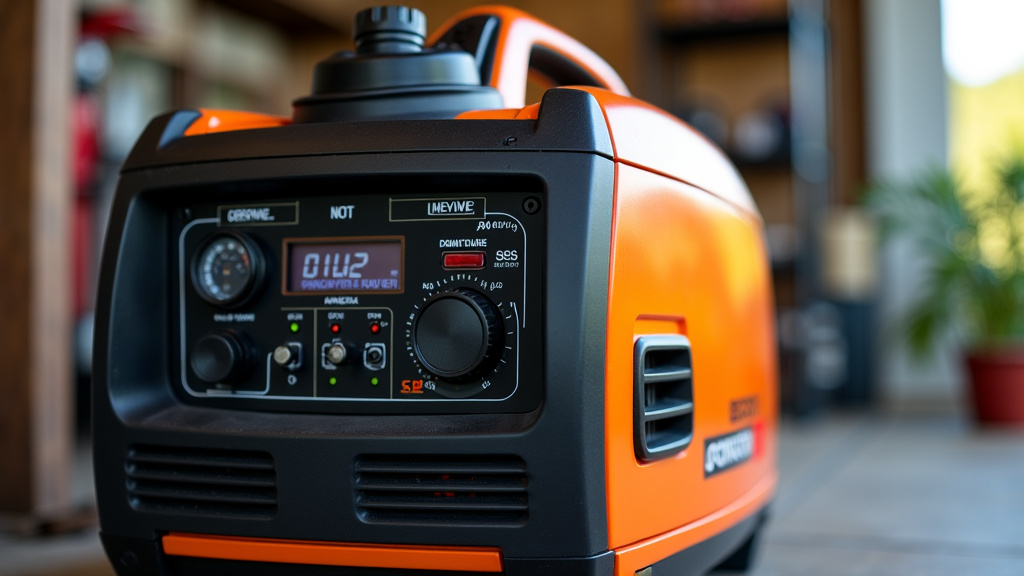
The best “product” for a quiet generator is a commitment to regular preventative maintenance. Think of it as regular check-ups for your generator’s health.
Here’s a simple checklist:
- Check oil level before each use.
- Change oil at recommended intervals (consult your manual).
- Use the correct type of oil and fuel.
- Keep air filters clean and replace them as needed.
- Inspect spark plugs periodically.
- Run the generator under load occasionally to keep everything working smoothly.
Many guidelines, including those from the U.S. Environmental Protection Agency (EPA), stress the importance of proper maintenance for engine longevity and performance. Following these steps significantly reduces the chance of internal engine damage that leads to knocking.
| Symptom | Likely Cause | Immediate Action | Potential Products Needed |
| Knocking at startup | Low oil, Fuel issue | Check oil, Check fuel freshness | Generator Oil, Fuel Stabilizer |
| Knocking under load | Internal engine wear, Low oil | Check oil immediately, Reduce load | Generator Oil (correct grade) |
| Persistent knocking (after oil check) | Internal engine damage (rod knock, piston slap) | Stop generator immediately, Professional inspection | (None – requires repair) |
When your generator starts knocking, your first instinct might be to grab a magic potion. But often, the solution is more straightforward. It’s about understanding the basics of engine health. Ensuring your generator has clean, fresh oil and fuel is fundamental. If the knocking continues after these basic checks, it’s wise to seek professional help. They have the tools and expertise to diagnose and fix more complex internal engine issues.
Conclusion
You’ve learned that a knocking generator is usually a warning sign. Low oil is the most frequent culprit, so always check your oil level first. If oil isn’t the issue, persistent knocking often points to more serious internal engine problems like piston slap or rod knock. Ignoring these sounds can lead to severe damage and costly repairs. Your best bet is regular maintenance. Always use the correct oil and fuel, and consult your manual for specific service intervals.
If you’ve checked the oil and the knocking continues, it’s time to stop using the generator and seek professional help to prevent further damage.
Frequently Asked Questions
Can I just add an oil additive to stop the knocking noise?
While some additives claim to reduce engine noise, they are not a guaranteed fix for knocking. Using the correct type and amount of engine oil is the most important factor. Many experts suggest caution with aftermarket additives, as they can sometimes cause unintended problems. Always check your generator’s manual before adding anything to the oil.
How often should I check my generator’s oil?
It’s a good practice to check your generator’s oil level before each use. This is especially important if your generator has been stored for a while or if you use it frequently. This simple step can prevent low-oil-related knocking and potential engine damage.
What type of oil should I use in my generator?
Always use the type and weight of oil specifically recommended in your generator’s owner’s manual. Using the wrong oil can lead to inadequate lubrication and contribute to engine problems, including knocking. Your manual is the best resource for this information.
Is a knocking noise always a sign of serious engine damage?
Not always. A knocking noise can initially be a symptom of low oil levels, which is a relatively simple fix. However, if the knocking persists after you’ve confirmed the oil is adequate, it often indicates more serious internal engine wear or damage that requires professional attention.
Can running my generator on old fuel cause a knocking sound?
Yes, old or degraded fuel can lead to combustion issues and pre-ignition, which can sound like knocking or pinging. Using a fuel stabilizer can help prevent fuel degradation, especially during storage. Always use fresh, clean fuel for optimal generator performance.