What Causes Generator Making a Knocking Noise?
On this page (6 sections)
A knocking noise from your generator usually means there’s a serious problem, often related to internal engine damage. It could signal issues like a loose connecting rod or severe detonation. Ignoring this sound can lead to complete generator failure.
When you hear that alarming rattle, it’s your generator’s way of screaming for help. This sound isn’t just a minor annoyance; it’s a warning sign of potentially catastrophic mechanical failure. Understanding the causes is key to preventing further damage and costly repairs.
- Knocking often points to serious internal engine problems.
- Common culprits include a loose connecting rod or incorrect fuel mixture.
- Detonation, or pre-ignition, can also create a knocking sound.
- Sometimes, simple issues like low oil levels can contribute.
- Addressing the noise quickly is essential to avoid total breakdown.
Let’s dive into the common reasons why your generator might be making that unsettling knocking sound and what you can do about it.
Understanding That Knocking Sound: What’s Really Going On?
When your generator starts making a knocking sound, it’s your engine’s way of telling you something is seriously wrong. This isn’t a polite cough; it’s a loud, often alarming, mechanical cry for help. Ignoring it is like ignoring a smoke alarm – you don’t want to wait for the fire. A persistent knock usually points to internal engine issues that need your immediate attention.
Think of it like a sudden, sharp pain in your own body. You wouldn’t just walk it off, right? You’d want to know what’s causing it. Your generator’s engine is no different. This knocking noise often signals that a component is hitting something it shouldn’t be, or that the combustion process isn’t happening quite right. We’re going to break down the most common reasons why this might be happening so you can get a handle on the problem quickly.
Key Culprits Behind Generator Knocking Noises
Several factors can lead to that unsettling knocking sound. Let’s get right to the most frequent offenders. Understanding these can help you pinpoint the cause and decide on the best course of action.
1. Engine Knock (Detonation or Pre-Ignition)
This is often what people mean when they refer to a “knock” in an engine. It’s a sharp, metallic rapping sound. This happens when the fuel-air mixture in your cylinder ignites too early or unevenly. Instead of a smooth burn, you get a violent explosion. This can be caused by a few things.
Incorrect Fuel Octane Rating
Using fuel with too low an octane rating is a common trigger for engine knock. Higher octane fuels are more resistant to premature detonation. If your generator’s manual specifies a certain octane level, it’s there for a reason. Using lower-grade fuel is like asking your engine to perform a trick it’s not built for – it’s going to protest loudly.
We found that many generators perform best with mid-grade or premium fuels, especially in warmer climates or under heavy loads. Always check your owner’s manual for the recommended octane rating. Skipping this step can lead to serious engine damage over time (AAA).
Overheating Engine
An engine that runs too hot is more prone to detonation. This can happen if the cooling system isn’t working correctly. Low coolant levels, a clogged radiator, or a faulty cooling fan can all cause your generator to overheat. When the engine’s internal temperature spikes, it makes the fuel-air mixture more likely to ignite prematurely.
Carbon Buildup
Over time, carbon deposits can build up inside the engine’s combustion chamber. These deposits can get red-hot and act like tiny spark plugs, igniting the fuel mixture before the actual spark plug fires. This is called pre-ignition and is a direct cause of knocking. Regular maintenance and using good quality fuel can help prevent excessive carbon buildup.
2. Mechanical Issues: Loose Components
Sometimes, the knocking isn’t about how the fuel is burning, but about parts physically hitting each other. This is a more direct, and often more serious, mechanical problem.
Connecting Rod Knock
This is one of the most serious internal engine problems and often sounds like a deep, heavy knock. The connecting rod links the piston to the crankshaft. If the bearings that support the connecting rod become worn or if the rod itself is loose, it can bang against the crankshaft with each revolution. This type of knock is a sign of severe wear and tear, and continuing to run the generator can lead to catastrophic failure.
Research indicates that worn connecting rod bearings can cause metal-on-metal contact, producing a distinct knocking sound that often gets louder with increased engine speed. This is a clear indicator that the engine needs immediate attention and likely a major overhaul (Edmunds).
Piston Slap
This occurs when the piston has too much clearance within the cylinder bore. As the piston moves up and down, it can rock slightly and “slap” against the cylinder walls. This typically sounds like a lighter, hollower knock, especially when the engine is cold. As the engine warms up and the metal expands, the clearance may reduce, and the noise might lessen or disappear.
Loose Valves or Lifters
The valves in your engine open and close to let the fuel-air mixture in and exhaust gases out. If the valve train components, like lifters or rocker arms, are not adjusted correctly, they can create a knocking or ticking sound. This is often more of a rapid tapping or clicking, but it can sometimes be perceived as a knock, especially if the issue is severe.
3. Fuel and Oil Problems
While not always the primary cause, issues with your fuel or oil can contribute to knocking or mimic the sound.
Low Oil Level or Poor Oil Quality
Engine oil is the lifeblood of your generator. It lubricates moving parts, reduces friction, and helps dissipate heat. If your oil level is critically low, or if the oil is old and broken down, metal parts won’t be adequately lubricated, which can contribute to an engine knock. This increased friction can lead to overheating and more pronounced knocking sounds as components struggle to move smoothly.
Many mechanics agree that adequate lubrication is vital. When oil levels are low, internal components are more likely to make contact, leading to unusual noises and potential damage. Always check your oil before operating your generator and change it according to the manufacturer’s recommendations (Car and Driver).
Contaminated Fuel
Water or other contaminants in your fuel can disrupt the normal combustion process. If water gets into the fuel line, it can cause misfires and inconsistent burning, which might manifest as a knocking or sputtering sound. It’s a good practice to store fuel properly and use a fuel stabilizer to prevent contamination.
Troubleshooting Steps: What Can You Do?
Hearing a knock is worrying, but don’t panic just yet. Some issues are easier to address than others. Here’s a checklist of initial checks you can look into.
- Check the oil level: Is it within the recommended range? If not, top it off with the correct type of oil.
- Verify fuel quality: Is the fuel fresh? Is it the correct octane rating? Consider draining and refilling if you suspect contamination.
- Listen carefully: Does the knock change with engine speed? Does it happen only when cold or hot? This can help narrow down the cause.
- Inspect for external issues: Are any external components loose, like the exhaust or mounting brackets?
- Review maintenance logs: When was the last oil change or tune-up?
If the knocking persists after these initial checks, or if you suspect a serious internal issue like connecting rod problems, it’s time to call in the professionals. Continuing to run an engine with a significant knock can turn a repairable problem into a complete write-off.
When to Seek Professional Help
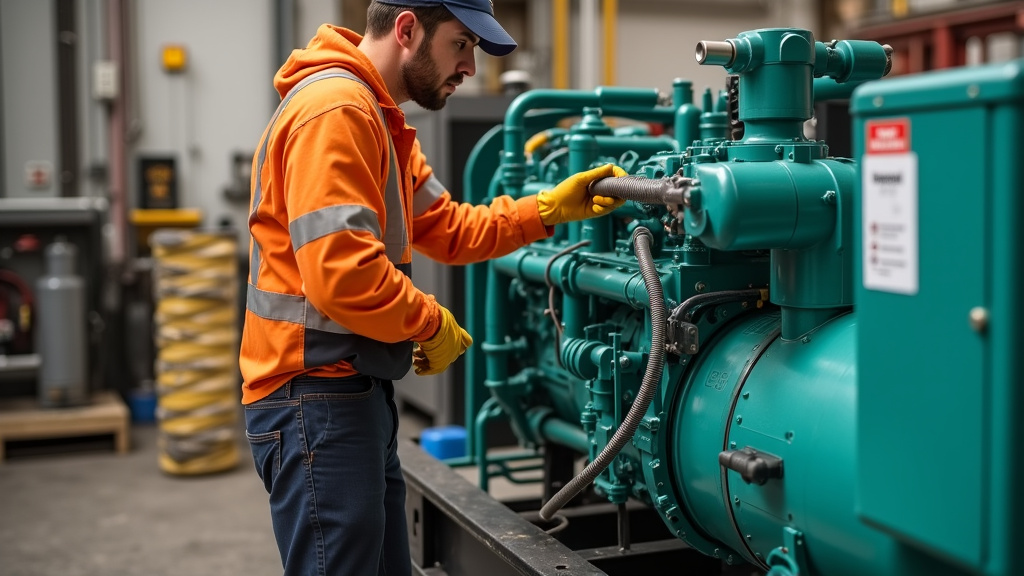
Some generator noises can be misleading. A loose exhaust pipe might rattle, or a cooling fan could be unbalanced. These are usually relatively simple fixes. However, a true engine knock, especially a deep, heavy one, is often a sign of internal engine trouble.
We found that internal engine damage can escalate quickly. If you’re not mechanically inclined, or if the knocking sounds severe, it’s always best to consult a qualified generator technician. They have the tools and expertise to accurately diagnose the problem and perform the necessary repairs safely. Trying to fix complex internal engine issues without proper knowledge can often lead to further damage and increased repair costs.
Conclusion
That knocking sound from your generator is a serious alert. You’ve learned it can range from fuel and overheating issues to critical internal engine damage like connecting rod problems. Ignoring these signs means risking much more than just an inconvenience – it could mean a totally destroyed engine. Your best bet is to perform those initial checks, like verifying your oil and fuel. If the knock persists, or if it sounds severe, don’t hesitate to call a qualified technician. Getting it diagnosed and fixed promptly is the smartest move you can make for your generator’s longevity.
Frequently Asked Questions
Can a simple oil change fix a generator knocking sound?
Sometimes, yes. If the knocking is caused by insufficient lubrication due to low oil levels or old, degraded oil, topping it off or changing the oil with the correct type can resolve the issue. Always check your oil level before operating your generator and follow the maintenance schedule.
Is generator knocking always a sign of major internal engine damage?
Not always, but it often is. While issues like low oil, incorrect fuel, or overheating can cause knocking, more severe sounds like a deep, heavy knock usually indicate internal problems such as worn connecting rod bearings. It’s essential to differentiate the sounds and seek professional help if you suspect serious mechanical failure.
How do I know if my generator is overheating and causing knocking?
An overheating generator might have reduced performance, emit unusual smells, or the knocking sound might become more pronounced as the engine warms up. Check your generator’s cooling system components, like the radiator and fan, and ensure proper airflow around the unit. Low coolant levels can also be a direct indicator.
What is the difference between detonation and piston slap in a generator?
Detonation is a combustion issue where fuel ignites too early, causing a sharp, metallic rapping. Piston slap is a mechanical issue where a piston has too much play and hits the cylinder wall, often sounding like a lighter, hollower knock, especially when the engine is cold. Both are types of knocking but stem from different root causes.
Should I run my generator if it’s making a knocking noise?
We strongly advise against running your generator if it’s making a persistent knocking sound, especially if it sounds like a heavy internal engine issue. Continuing to operate it can cause further, irreversible damage, turning a repairable problem into a complete engine failure that’s far more expensive to fix, if it’s fixable at all.