Which Diesel Generator Is Right for Home Backup?
The right diesel generator for home backup depends on your essential loads, transfer switch setup and installation requirements. Size for the appliances you need at the same time, then confirm fuel storage, noise, ventilation and local rules before buying.
On this page (8 sections)
- How do you choose a diesel generator for home backup?
- How much generator capacity does a home need?
- Does a diesel generator need a transfer switch?
- Which generator examples show useful home backup features?
- How should you plan fuel, storage and runtime?
- Where can you safely run a home backup generator?
- What should you confirm before buying a diesel generator?
- Which home backup generator should you choose?
The best diesel generator for home backup is the model that can run your essential household loads and meet your installation requirements. First add the appliances you need during an outage, then check starting demand, voltage, transfer switch compatibility, fuel storage and safe outdoor placement.
One important detail: the three examples below are gasoline or dual fuel generators, not diesel models. They can help you compare the size and connection trade-offs involved in home backup, but if diesel is required, verify the engine’s fuel type before choosing a unit.
If you are comparing brand-specific options, see Briggs & Stratton home backup generators.
How do you choose a diesel generator for home backup?
Choose by load, electrical connection and installation, in that order. A high wattage figure alone cannot tell you whether a generator fits your panel, starts your largest motor or can be operated safely at your home.
For a brand-specific alternative, compare Generac generators for home backup.
Make a short list of what must stay on: perhaps a refrigerator, freezer, sump pump, furnace controls, lights, phone chargers or a window air conditioner. Decide which loads may run together, since the total running demand and the largest motor’s starting demand both affect generator size.
Next, check whether the model offers the voltage and outlet needed for your planned connection. A 120/240V outlet may be useful for a transfer switch, but compatibility depends on the generator, switch, panel and wiring.
Ask an electrician to check the full setup before you buy.
Fuel and placement matter as well. Compare diesel availability and storage requirements for diesel options, and check the manual and local rules for outdoor distance, exhaust direction, noise and service access.
How much generator capacity does a home need?
The capacity you need is the combined demand of the loads you plan to run at once, plus enough surge capacity for motor starts. Use appliance labels or manuals to estimate the watts, and ask an electrician if a hardwired appliance does not show a clear demand.
| Load question | What to check |
|---|---|
| What needs to run at all? | List essential appliances and circuits |
| What will run together? | Add running watts for simultaneous loads |
| Which motor starts? | Check starting or surge demand for pumps, compressors and air conditioners |
| Which fuel will you use? | Compare the generator’s ratings for that fuel |
| How will power enter the home? | Confirm outlet, voltage, transfer switch and panel match |
Do not add every appliance in the house unless you want the generator to power them together. A smaller essential-load plan can reduce the generator capacity you need, fuel consumption and the number of circuits involved.
For a step-by-step load plan, see How to Size a Dual Fuel Generator for Home Backup?. The same basic load counting applies when you compare diesel units, though their fuel and installation details differ.
What does starting wattage mean for home backup?
Starting wattage is the short surge some motors need as they begin to run. A refrigerator compressor or sump pump can draw more power at startup than while running, so a generator must handle both the steady load and the largest relevant startup demand.
Check the appliance manual or ask an electrician when the starting figure is missing. Avoid relying on a rule of thumb for an entire house because motor sizes and startup needs vary.
Does a diesel generator need a transfer switch?
A transfer switch provides a planned way to select generator power for household circuits. For permanently installed whole-home options, see standby generators for home backup.
Use a properly installed transfer switch or other approved interlock arrangement that prevents generator power from feeding back into utility lines.
The generator’s receptacle must match the wiring equipment and expected load. A 30A outlet and a 50A outlet have different current limits, while a 120/240V output serves a different connection need from a standard 120V household receptacle.
A qualified electrician can check the generator’s voltage, amperage, outlet, panel and transfer equipment as one system. Never connect a portable generator to a wall outlet, and do not assume a plug fitting means the installation is safe.
Which generator examples show useful home backup features?
These examples show three distinct capacity and connection profiles. They are not diesel models, so use them only as comparisons for backup features and confirm fuel type on any diesel generator you consider.
WEN DF475T: mid-size dual fuel with 120/240V output
The WEN DF475T suits a buyer comparing a moderate-capacity dual fuel generator for selected circuits. It produces 3,800 running watts on gasoline or 3,500 running watts on propane, with higher surge ratings for starting loads.
Electric start, a wheel and handle kit, and a 4-gallon gasoline tank make its operation and movement considerations clear. WEN gives a half-load runtime figure of up to 11 hours on gasoline.
This is a gasoline and propane model, not diesel. Consider it only if those fuels fit your backup plan and its capacity covers the circuits you expect to run.
For other home backup fuel choices, compare our best tri fuel generators for home guide.
Westinghouse WGen9500DF: higher output and larger outlets
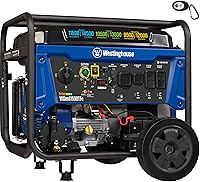
The Westinghouse WGen9500DF suits a buyer comparing a larger portable unit for several essential loads. It provides 9,500 running watts on gasoline and 8,500 running watts on propane, with peak ratings of 12,500 and 11,200 watts respectively.
Remote, electric and recoil starting give you multiple ways to start it. The model also has a 6.6-gallon gasoline tank, a fuel gauge and an advertised runtime of up to 12 hours.
It is a dual fuel gasoline and propane generator, not diesel. Check whether its size, fuel plan and installation needs suit your home before using it as a comparison point.
If brand options are part of your research, see best Honda generator for home backup and best WEN generator for home.
WEN 2350i: compact power for smaller loads
The WEN 2350i suits a buyer looking at a portable source for a few smaller loads rather than whole-home backup. It produces 1,900 rated watts and 2,350 surge watts from gasoline.
Its output is 120V, so it does not provide the 120/240V connection described by the other examples. It is also gasoline-powered, not diesel, and its capacity may not cover larger appliances or motor starts.
Use it as a comparison for portability and smaller loads, not as a replacement for a properly sized home backup system.
How should you plan fuel, storage and runtime?
Plan around the fuel type you can store and replenish safely, then estimate how many hours you need each day. Runtime depends on load, fuel and operating conditions, so a published figure is a reference point rather than a guarantee for every outage.
For a diesel model, follow its manual for approved fuel, storage containers, maintenance and fuel handling. Store fuel away from living spaces and ignition sources, and check local fire rules for allowed quantities and locations.
Also plan for routine readiness. Keep fuel fresh according to the manufacturer’s guidance, maintain the generator on its stated schedule and run it only as directed by the manual.
A generator that has not been maintained may not be ready when an outage arrives.
Where can you safely run a home backup generator?
Operate a portable generator outdoors, away from the home and openings, following the exact placement rules in its manual and local fire guidance. Never run it indoors, in a basement, shed or garage, even if doors or windows are open.
Carbon monoxide is odorless and can become dangerous quickly. Point exhaust away from doors, windows, vents and neighboring homes, and use battery-powered carbon monoxide alarms in the home as directed by their instructions.
Keep the generator dry and protected from rain only in a way its manual allows. Do not place it where water can reach electrical parts or where exhaust could collect under a porch or enclosed area.
What should you confirm before buying a diesel generator?
Confirm that the generator’s fuel type, output and installation plan match your home. Before ordering, check these points:
- The engine actually runs on diesel.
- Running and surge watts cover your chosen loads.
- Voltage and outlet type work with the transfer equipment.
- A qualified electrician approves the panel connection.
- The placement meets the manual’s clearance and exhaust directions.
- Fuel storage and refilling are practical for your household.
- The noise level and service access suit the planned location.
Check dimensions and weight if you need to move or store the generator. Also confirm which items are included, such as a battery, wheel kit or fuel hose, rather than assuming they come with every model.
Which home backup generator should you choose?
Choose a diesel model only after confirming its fuel type, capacity and electrical setup for your household. Pick a smaller unit if it covers a defined set of essential loads and is easier to store; choose more output when your planned loads and motor starts require it.
The examples here show how outlet types and rated output affect the comparison, but all three use gasoline or propane. For another fuel comparison, see our Best Dual Fuel Generator For Home Backup For Refrigerators and Best Dual Fuel Generator For Home Backup For Freezers guides.
Frequently asked questions
What size diesel generator do I need for home backup?
Add the running watts of the appliances you want on together, then account for the highest starting watt demand among motors such as refrigerators, pumps and air conditioners. Compare that total with the generator’s running and surge ratings for the fuel you plan to use, and have an electrician confirm the transfer setup.
Can a portable diesel generator connect to a home transfer switch?
A generator can connect to a transfer switch only when its voltage, outlet, capacity and wiring match the installed equipment. Have a licensed electrician check the generator and panel before purchase, and never connect a portable generator directly to a household outlet.
Are the generators in this guide diesel models?
No. The examples here are gasoline or dual fuel portable generators, included to show how capacity, outlets and portability affect backup choices.
If diesel is a firm requirement, verify the engine fuel type and electrical configuration before buying a specific model.
Can I run a generator in my garage during an outage?
No. Do not run a generator in a garage, even with the door open, because carbon monoxide can build up and enter the home.
Operate it outdoors at the distance required by its manual and local fire guidance, with exhaust directed away from doors, windows and vents.
How should I choose between one large generator and a smaller one?
Choose a larger unit if your planned simultaneous loads, including motor starting needs, exceed a smaller unit’s capacity. Choose a smaller one if it covers your essentials and is easier to store and move.
Compare total watt demand, fuel availability, outlet needs and the transfer equipment before deciding.