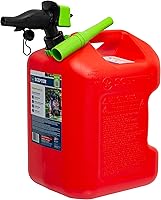
What Is a Green Gas Can For?
A green gas can is usually intended to identify gasoline, but color is not a universal fuel standard. Read the can's label, fuel type, and instructions before filling or connecting it.
On this page (7 sections)
- What is a green gas can for?
- How can you confirm what a green gas can holds?
- Which gasoline container size fits your needs?
- How should you use a gasoline can?
- Does a green gas can work with a dual-fuel generator?
- How do other gas-can colors compare?
- What is the safest answer to “what is a green gas can for”?
A green gas can is usually meant to identify gasoline, but colors are not universal. Check the printed fuel type, the container instructions, and the equipment manual before filling it.
Color systems differ by maker. Green may signal gasoline in one set and another fuel or a general outdoor line in another.
Some brands and workplaces use colors to separate gasoline, diesel, kerosene, and other fuels. Others use different colors, so a green body does not prove what belongs inside.
At home, color can still help at a glance. It can remind you which can you planned for gasoline, especially when several cans share one storage spot.
The limit appears with shared, borrowed, or secondhand cans. A faded body, swapped cap, or missing label can make a familiar color misleading.
Treat the label and fuel rating as the source of truth. Read the approved fuel type and any storage or equipment limits before adding fuel.
Check the cap and spout for damage or poor sealing. Do not fill a can that will not close properly, even if its color seems right.
Keep gasoline in a container made for gasoline and keep fuels in separate, clearly marked cans. If the label is missing or unreadable, pause.
If you cannot confirm the rating, do not use the can for gasoline.
What is a green gas can for?
A green gas can may be intended for gasoline storage or transport, depending on the brand's labeling system. It can help people tell fuel containers apart, but color coding only works when everyone follows the same system.
Look for words such as gasoline, fuel type, or the approved equipment category. Check the cap, spout, and container markings too.
If the can is faded, unlabeled, damaged, or filled with unknown fuel, don't guess.
A fuel storage container guide can help you compare capacity, materials, closures, and storage practices before you choose a new can.
Does the green color identify gasoline?
Green can identify gasoline in some systems, but it is not a universal rule. Red is also commonly associated with gasoline, which shows why color alone can create confusion between brands and locations.
Keep each can clearly marked if you store more than one fuel. Store gasoline only in a container designed for gasoline, and keep the container closed when it is not being filled or used.
Do not pour fuel into a food container, drink bottle, open bucket, or a can intended for a different fuel. A familiar color cannot correct a wrong container rating.
How can you confirm what a green gas can holds?
Confirm the fuel by reading the container label and its fuel-type instructions. If the label is missing or the contents are uncertain, do not connect the can to an engine until the fuel is identified safely.
Use a simple system at home:
- Mark the container with the fuel type.
- Keep gasoline cans separate from diesel or other fuels.
- Close each cap after use.
- Store cans upright in the location allowed by local rules and the container instructions.
- Replace cans with cracks, leaks, damaged caps, or unreadable labels.
Never identify fuel by smell alone. Avoid tasting, heating, or transferring unknown fuel to test it.
If you are comparing color systems, our guide to what is a blue gas can for explains why blue containers should also be confirmed by their labels rather than color alone.
Which gasoline container size fits your needs?
Choose the container size based on the equipment, the amount of gasoline you can use safely, and how much weight you can lift. A larger tank reduces refilling trips, while a smaller can is easier to carry and control.
Who should choose a 12 gallon marine fuel tank?
The Scepter 12 Gallon Portable Marine Gas Can suits boat owners who need a larger gasoline tank for an outboard motor boat. It has a 12-gallon capacity, a built-in fuel gauge, integrated hand holds, and a 2-way vented cap.
Its one-piece, 5-layer HDPE shell is designed for marine environments and resists rust, corrosion, and UV damage. The tank measures 22.9 x 14.3 x 13.9 inches and accepts standard 1/4 NPT marine tank fittings.
The fuel line is sold separately, so check your setup before ordering. This is a marine fuel tank rather than a small lawn-equipment can, making it a better fit when boat fuel capacity matters.
Who should choose a 2.5 gallon gasoline can?
The No-Spill No Spill 1405 2.5 Gallon Gasoline suits readers who want a smaller gasoline container with controlled pouring. Its thumb button controls the flow, and its 7/8-inch funnel spout is sized for small equipment.
The can has an attached dust cover, an integrated 20 mesh stainless steel screen, and HDPE construction. It measures 8 x 14.75 inches and weighs 2 pounds.
Choose this size when you want easier lifting and a smaller fuel reserve. If you need more capacity for repeated refills, a larger container may reduce the number of trips.
Who should choose a 5 gallon gas can?
The Scepter 5 Gal Gas Can suits readers who need a gasoline container for lawnmowers, chainsaws, yard tools, recreational vehicles, ATVs, motorcycles, or other gas-powered equipment. It has an 18-liter capacity, a SmartControl spout, and an included funnel.
The controllable flow lets you squeeze less for a small pour or more for a larger one. The spout has an integrated air vent, and the funnel has a storage ring.
This red plastic can has 5-layer construction, EPA and CARB compliance, and a flame mitigation device. It measures 12 x 16 inches, weighs 2.5 pounds, and is marked for gasoline only.
How should you use a gasoline can?
Use a gasoline can outdoors or in a well-ventilated area, away from flames, sparks, pilot lights, and smoking materials. Keep the can stable while filling and pouring, and avoid rushing the flow.
Read the container and equipment instructions before connecting or pouring. Keep the cap closed when the can is stored, and inspect the can before each use for leaks, cracks, loose parts, or damage.
A 5-gallon can requires more control than a 2.5-gallon can because it holds more fuel. Follow our guide on how to use a 5 gallon gas can for a practical filling and pouring sequence.
For a generator, confirm the generator's fuel type and shut it down before refueling. Our guide to choosing a gas can for a generator covers capacity and handling choices for backup-power setups.
Does a green gas can work with a dual-fuel generator?
A green gasoline can may work with a dual-fuel generator only when the generator is operating in gasoline mode and the container is approved for gasoline. A dual-fuel model may also use propane, but gasoline and propane require different storage and connection methods.
Do not pour gasoline into a propane connection or treat a color-coded can as a substitute for the generator manual. If you need to change fuel modes, follow the steps in How to Switch a Dual Fuel Generator from Propane to Gasoline.
The product fit also matters. The Scepter 12 Gallon Portable Marine Gas Can is for boat fuel use, while the No-Spill 2.5-gallon and Scepter 5 Gal Gas Can are gasoline containers for smaller equipment and general fuel handling.
How do other gas-can colors compare?
Color comparison is useful only as a quick visual cue. It should never replace the fuel label or the instructions for the container and equipment.
A yellow gas can may have a different intended fuel category in some systems. That does not make every yellow can interchangeable with a gasoline can.
If you carry fuel on a vehicle, the holder must also fit the container's shape and size. Review gas can holders for Jeeps before securing a can for travel, and follow the holder and vehicle instructions.
What is the safest answer to “what is a green gas can for”?
A green gas can is often used to identify gasoline, but the printed fuel type matters more than color. Confirm the label, use the can only with compatible equipment, keep it closed and upright, and replace it if damaged or unreadable.
Match the size to the job before you buy or fill a can. A small can is easier to lift and aim, while a larger can means fewer trips but more weight when full.
Choose the No-Spill 2.5-gallon can for smaller controlled pours, the Scepter 5 Gal Gas Can for common gas-powered equipment, or the Scepter 12 Gallon Portable Marine Gas Can for an outboard boat setup.
The 2.5-gallon size suits lawn and garden equipment where a short pour is easier to control. The 5-gallon size gives more reserve for mowers, yard tools, and recreational equipment without a large tank.
The 12-gallon marine tank suits an outboard boat where capacity and a built-in fuel gauge matter more than hand pouring. Check that fittings, fuel line, and boat setup match before you rely on it.
Store each can upright with its cap closed, away from heat and ignition sources. Inspect the body, cap, and spout before each use and retire any can that leaks or shows cracks.
If color and label disagree, stop and verify before adding fuel. Clear marking and a quick label check will keep the right fuel in the right container.
Frequently asked questions
What is a green gas can for?
A green gas can is commonly used to identify gasoline in some fuel-color systems, but green does not guarantee the contents. Check the printed fuel type, cap, manual, and intended equipment before filling or using it.
Can you put gasoline in any green gas can?
Only use a green gas can when its label and instructions identify it as a gasoline container. Color alone is not enough because manufacturers and workplaces may use different color systems.
Never mix gasoline with diesel, kerosene, or other fuels in an unmarked container.
Is a green gas can safer than a red gas can?
No. Color does not make one gasoline can safer than another.
Safety depends on the container's fuel rating, cap, venting, condition, storage position, and use according to its instructions.
What color gas can is used for gasoline?
Red is commonly associated with gasoline, while some systems use green for gasoline or other fuel categories. There is no color rule you should rely on by itself, so confirm the fuel type on the container before use.