
What Is a Generator Transfer Switch Needed for Safe Operation?
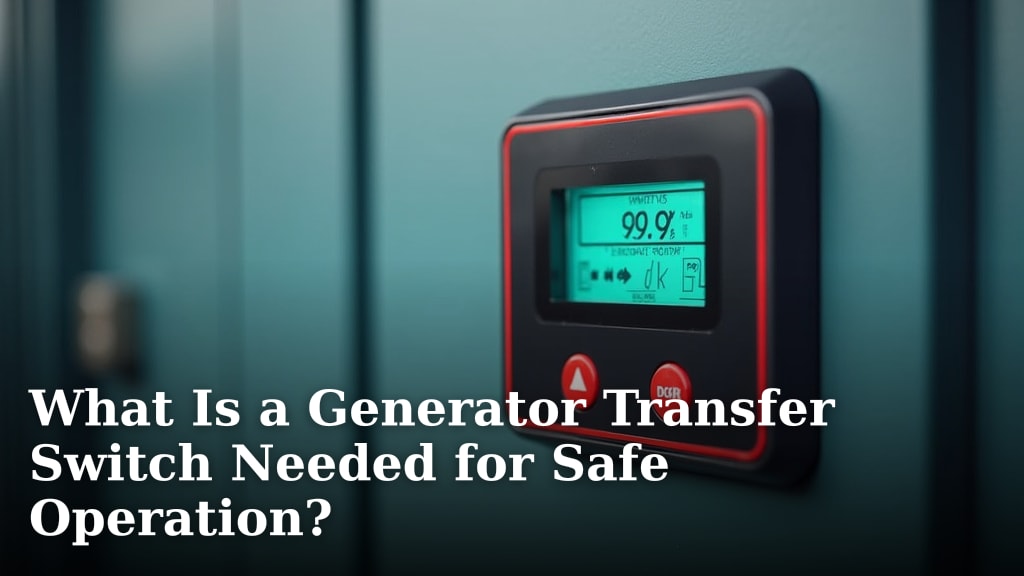
A generator transfer switch is absolutely necessary for safe operation when connecting a portable or standby generator to your home’s electrical system. This vital device prevents dangerous backfeeding onto the utility grid and protects your appliances from power surges.
Without a proper transfer switch, you risk not only damaging your generator and home electronics but also creating a severe safety hazard for utility workers. It ensures that your generator power and the utility power never operate simultaneously, making it a non-negotiable safety component.
- What a transfer switch does
- Why it’s critical for safety
- How it protects your home
- The dangers of not using one
Ready to understand why this small but mighty device is so important? Let’s walk through exactly how it works and why you need one.
Understanding the Role of a Generator Transfer Switch for Your Home
A generator transfer switch is a critical component that safely connects your generator to your home’s electrical system. It acts as an intermediary, managing the power flow between your utility and your generator. This prevents dangerous situations and protects your electrical appliances.
Think of it as a gatekeeper for your home’s electricity. When the utility power goes out, the transfer switch lets your generator take over. When utility power returns, it switches you back. It’s a simple, yet incredibly important safety device.
Why You Can’t Just Plug a Generator Directly into Your Home
You might wonder why you can’t just run an extension cord from your generator to your home’s main electrical panel. The answer is simple: it’s extremely dangerous and illegal Another safe alternative to prevent backfeeding is to use a generator interlock kit safely, which our guide explains. in many areas. We found that this practice, known as “backfeeding,” poses severe risks (Electrical Safety Foundation International).
Backfeeding happens when your generator sends electricity into the utility grid. This can energize power lines that utility workers believe are off. Imagine a lineman working to restore power, thinking the lines are dead, only to be met with a surge of electricity from your generator. It’s a potentially fatal hazard.
Beyond the risk to utility workers, backfeeding can also cause a power surge. This surge can damage your generator, your home’s wiring, and any connected appliances. It’s a risk not worth taking.
How a Generator Transfer Switch Works Its Magic
A transfer switch ensures that your home is connected to only one power source at a time. It’s either drawing power from the utility company or from your generator, never both simultaneously. This critical separation is what makes it safe.
When the main power goes out, you start your generator. The transfer switch then allows you to switch your home’s circuits from utility power to generator power. When the grid comes back online, you simply reverse the process. This controlled power transfer is key.
Manual vs. Automatic Transfer Switches
There are two main types of transfer switches, each with its own benefits. Understanding the difference will help you choose the right one for your needs.
- Manual Transfer Switch: You physically flip a switch to change power sources. When the power goes out, you start your generator and then go to the transfer switch to manually switch over. This type is generally more affordable and gives you direct control.
- Automatic Transfer Switch (ATS): This type senses a power outage and automatically starts your generator. It then switches your home’s power source without any manual input from you. When utility power returns, the ATS switches back and shuts down the generator. This offers maximum convenience and uninterrupted power.
The Essential Components of a Transfer Switch
A transfer switch, whether manual or automatic, typically includes a few key parts. These work together to manage your power safely.
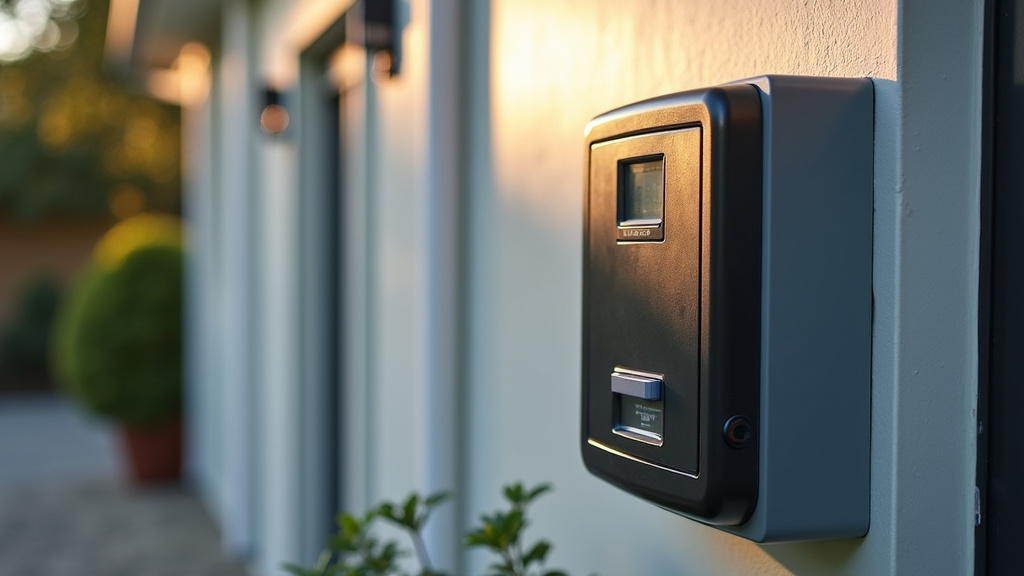
- Enclosure: This houses all the electrical components and protects them from the elements. It’s usually mounted near your main electrical panel.
- Switching Mechanism: This is the heart of the device. It’s the physical component that moves to connect your home to either the utility or the generator.
- Utility Connection: Wires from your main electrical panel connect here.
- Generator Connection: Wires from your generator connect here.
- Load Connection: Wires that feed power into your home’s circuits connect here.
For automatic switches, there’s also a controller that monitors the utility power and sends signals to the generator and the switching mechanism.
Safety First: The Dangers of Not Using a Transfer Switch
We’ve touched on this before, but it’s worth reiterating the serious dangers of operating a generator without a transfer switch. Your safety and the safety of others depend on it.
- Electrocution of Utility Workers: This is the primary and most severe risk. Backfeeding can send power down lines that workers believe are de-energized, leading to severe injury or death (Occupational Safety and Health Administration).
- Damage to Appliances and Electronics: Uncontrolled power surges from backfeeding can fry delicate electronics and costly appliances in your home.
- Damage to Your Generator: Your generator can also be damaged by the utility grid if power is restored while it’s backfeeding.
- Fire Hazard: Improper wiring and overloading can lead to electrical fires.
- Voided Insurance and Warranties: Many insurance policies and appliance warranties may be voided if damage occurs due to improper generator usage.
Choosing the Right Transfer Switch for Your Generator
When selecting a transfer switch, you’ll need to consider a few factors. It’s not a one-size-fits-all solution.
First, consider your generator’s power output. The transfer switch needs to be rated to handle the amount of electricity your generator produces. Next, think about your power needs during an outage. Do you want to power your entire home, or just a few essential circuits?
Finally, decide between a manual or automatic switch. An automatic switch offers more convenience but typically comes at a higher cost. A manual switch is more budget-friendly but requires you to be present to operate it.
| Feature | Manual Transfer Switch | Automatic Transfer Switch (ATS) |
|---|---|---|
| Operation | Requires human intervention to switch power. | Automatically switches power and starts/stops generator. |
| Cost | Generally lower upfront cost. | Higher upfront cost due to added technology. |
| Convenience | Less convenient; requires presence during outages. | Highly convenient; powers home even when you’re away. |
| Installation | Typically simpler installation. | More complex installation, often requiring professional wiring. |
| Ideal For | Occasional power outages, budget-conscious users. | Frequent outages, critical power needs, peace of mind. |
Installation: A Job for Professionals
Installing a generator transfer switch is not a DIY project unless you are a licensed electrician. It involves working with high voltage electricity and connecting to your home’s main electrical panel. Improper installation can be extremely dangerous.
We strongly recommend hiring a qualified and licensed electrician. They will ensure the installation meets all local electrical codes and safety standards. This ensures your system operates safely and effectively.
Key Considerations Before You Buy
Before you even purchase a transfer switch, take a moment to assess your needs. This will save you time and money.
- Generator Size: What is your generator’s wattage? The transfer switch must match or exceed this.
- Circuits to Power: Which circuits do you absolutely need during an outage (e.g., refrigerator, furnace, some lights)?
- Type of Generator: Is it a portable or a standby generator? This affects the type of transfer switch needed.
- Local Codes: Check with your local authority for any specific electrical codes or permits required.
- Budget: Manual switches are cheaper; automatic switches are an investment in convenience.
- Professional Advice: Consult with an electrician early in your planning process.
Ensuring Safe Generator Operation Beyond the Switch
While a transfer switch is vital, it’s just one part of safe generator operation. You also need to keep these points in mind:
- Always operate generators outdoors and far from windows to prevent carbon monoxide poisoning.
- Ensure your generator is properly grounded.
- Never refuel a hot generator. Let it cool down first.
- Store fuel safely in approved containers, away from living areas.
- Have a working carbon monoxide detector in your home.
By following these guidelines, along with using a proper transfer switch, you can ensure your family stays safe and comfortable during power outages.
Conclusion
A generator transfer switch is more than just an electrical component; it’s a critical safety device for your home and community. By preventing dangerous backfeeding, it protects utility workers from electrocution and safeguards your valuable appliances from power surges. Whether you choose a manual or automatic switch, this device ensures your generator operates safely and effectively.
You now understand the vital role a transfer switch plays in a secure power backup system. Don’t risk your safety or the safety of others. Your next step should be to consult with a qualified, licensed electrician to assess your home’s needs and properly install the right transfer switch for your generator.
Frequently Asked Questions
Is a transfer switch required by law for generator use?
Yes, in most areas, connecting a generator directly to your home’s electrical panel without a transfer switch is illegal and violates electrical codes. These regulations are in place to prevent dangerous backfeeding and ensure safety for everyone.
Can I install a transfer switch myself?
Unless you are a licensed electrician, installing a transfer switch is not a DIY task. It involves working with high voltage electricity and connecting to your home’s main electrical system, which requires specialized knowledge and adherence to safety codes.
What happens if I try to power my whole house with a small generator through a transfer switch?
A transfer switch only directs power; it doesn’t increase your generator’s capacity. If your generator is too small for your home’s total electrical load, it will likely overload, trip breakers, or even be damaged. It’s crucial to match the transfer switch and generator size to your power needs.
Does a transfer switch protect against power surges from the utility company?
No, a standard transfer switch primarily manages the switch between utility and generator power. While it prevents generator power from surging back to the grid, it doesn’t typically offer surge protection for your home from utility power fluctuations. You would need separate surge protection devices for that.
How often should a transfer switch be inspected?
It’s a good idea to have your transfer switch inspected by a professional electrician every 1-3 years, especially if it’s an automatic model. This ensures all components are functioning correctly and that your system remains safe and ready for an outage.
