
How to Connect a Dual Fuel Generator to a House?
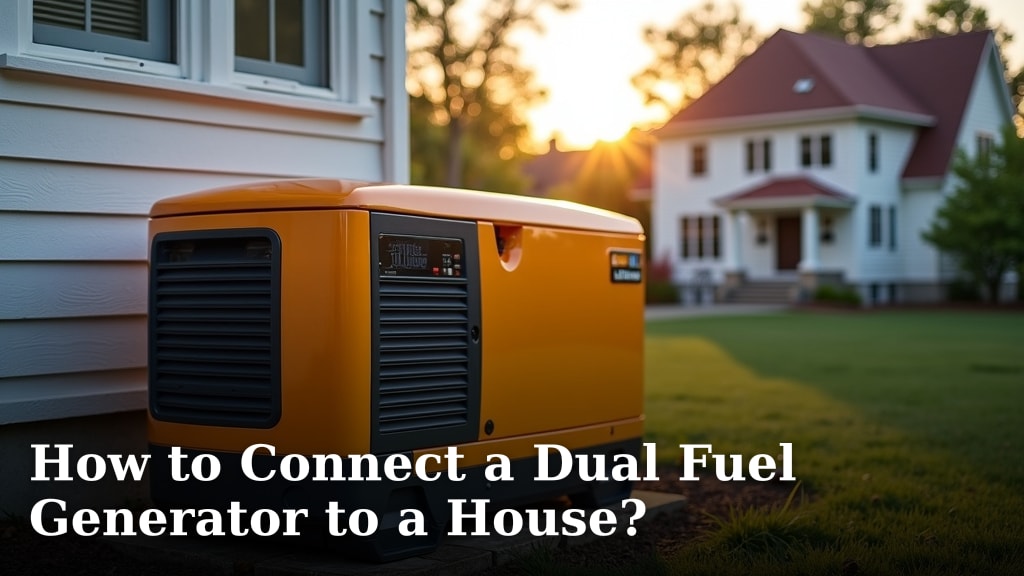
To connect a dual fuel generator to a house safely, you will need a transfer switch installed by a qualified electrician, or a heavy-duty reliance generator power cord for direct appliance connection. Never plug a generator directly into a wall outlet, as this can cause a dangerous “backfeed” of electricity and seriously injure utility workers or damage your home’s electrical system.
Connecting a generator ensures you have power during outages, but it requires careful planning to do it correctly and safely. There are a few different methods, each with their own setup and safety considerations. Understanding these steps can help protect your home and everyone in it.
- What a dual fuel generator is.
- The importance of electrical safety.
- Different connection methods.
- Steps for safe generator operation.
- Why professional installation matters.
Ready to make sure your home stays powered when the lights go out? Let’s walk through exactly how to connect a dual fuel generator to a house, step by step.
Connecting Your Dual Fuel Generator to Your Home
Connecting your dual fuel generator to your home requires careful steps to ensure safety and functionality. We’re going to walk through the most common and safest methods. Remember, the goal is to get power where you need it without putting anyone at risk.
Understanding Dual Fuel Generators
First, let’s briefly touch on what makes your dual fuel generator special. Unlike traditional generators, yours can run on two different types of fuel, usually gasoline and propane. This versatility is a huge advantage, offering more options during an outage. Propane, for instance, has a longer shelf life and burns cleaner than gasoline (EPA).
- Gasoline: Readily available, but degrades over time.
- Propane: Cleaner burning, longer storage life, but may offer slightly less power output.
Safety First: Essential Precautions
Before you even think about plugging anything in, let’s talk about safety. This isn’t just a suggestion; it’s absolutely critical when dealing with electricity and fuel. You want to protect yourself, your family, and utility workers.
- Never Backfeed: This means never plugging your generator directly into a wall outlet in your home. It can send electricity back into the utility grid, potentially electrocuting line workers or damaging your home’s electrical system. This is a deadly mistake.
- Outdoor Use Only: Generators produce carbon monoxide, an odorless, colorless, and deadly gas. Always operate your generator in a well-ventilated area, far away from windows, doors, and vents that could allow fumes to enter your home (CDC).
- Dry Conditions: Keep your generator dry. Operating it in rain or wet conditions can lead to electrocution. Use a shed or canopy if needed, but ensure proper ventilation.
- Proper Fuel Storage: Store fuel in approved containers, away from living areas and direct sunlight.
- GFCI Protection: Use extension cords with built-in Ground Fault Circuit Interrupter (GFCI) protection, especially if you’re plugging in individual appliances.
Connection Methods: Choosing Your Path
There are two primary ways to connect a generator to your house. Each method has its pros and cons, and one is significantly safer and more comprehensive for powering your entire home.
Direct Connection to Appliances (Emergency Use Only)
This is the simplest method, but also the most limited. You’re essentially bypassing your home’s electrical panel and powering individual devices directly. Think of it like a very powerful extension cord.
- What You Need: Heavy-duty outdoor extension cords. Look for cords designed for generator use, with appropriate gauge wire for the load (e.g., 12-gauge or 10-gauge for higher power).
- How It Works: You plug appliances directly into the generator’s outlets using extension cords. You can only power items that the generator’s outlets can support.
- Best For: Small, essential items like a refrigerator, a few lights, phone chargers, or a well pump.
- Limitations: You cannot power your entire house. Heating and cooling systems, or built-in lighting, are generally not feasible with this method. It requires you to run cords everywhere, which can be a tripping hazard.
Using a Transfer Switch (Recommended Method)
This is the gold standard for safely connecting a generator to your home. A transfer switch is a device installed between your utility meter and your main electrical panel. It allows you to switch your home’s power source from the utility grid to your generator, and vice versa, without any risk of backfeeding.
Types of Transfer Switches
We found there are primarily two types you’ll encounter:
| Type of Transfer Switch | How It Works | Key Benefit |
|---|---|---|
| Manual Transfer Switch | You manually flip a switch to disconnect from utility power and connect to generator power. You select specific circuits to power. | Less expensive, full control over powered circuits. |
| Automatic Transfer Switch (ATS) | Automatically detects a power outage, starts the generator, and transfers power. When utility power returns, it switches back and shuts off the generator. | Totally hands-free, ideal for whole-home backup. |
Why a Transfer Switch is Superior
Many experts say a transfer switch is the only safe way to connect a generator to your home’s main electrical system (NFPA 70, National Electrical Code). Here’s why:
- Prevents Backfeeding: It physically isolates your home from the utility grid before connecting to the generator, making backfeeding impossible.
- Protects Appliances: It provides a stable and safe power supply to your chosen circuits, reducing the risk of damage to sensitive electronics.
- Convenience: No more endless extension cords. You power your home’s existing outlets and light fixtures.
- Safety: Reduces the risk of electrical fires or shocks.
Installing a Transfer Switch: Professional Help is Key
Installing a transfer switch is not a DIY project unless you are a qualified electrician. This involves working with your home’s main electrical system, which can be dangerous if not done correctly. We strongly recommend hiring a licensed electrician for this job.
- Consult an Electrician: They will help you choose the right type and size of transfer switch for your generator and home’s needs. They’ll consider your generator’s wattage and the circuits you wish to power.
- Permits and Inspections: Your electrician will know about local codes, permits, and inspections required for such an installation. This ensures compliance and safety.
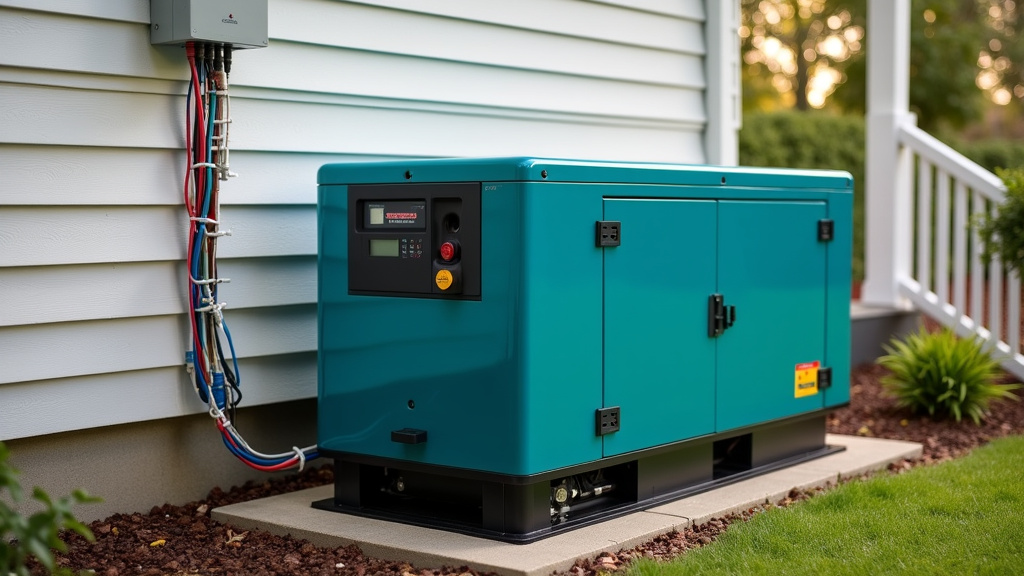
- Proper Wiring: The electrician will properly wire the transfer switch to your main electrical panel and install a dedicated inlet box for your generator.
Connecting Your Generator to the Transfer Switch
Once the transfer switch is installed, connecting your generator is straightforward:
- Place Your Generator: Position your generator outdoors, at least 15-20 feet away from your home, keeping exhaust fumes from entering.
- Connect the Power Cord: Use a heavy-duty, properly rated generator power cord (often called a “generator interlock cord”) to connect the generator’s outlet to the dedicated inlet box installed by the electrician. This cord will have specific plugs on each end to match.
- Ensure Secure Connections: Make sure both ends of the cord are firmly plugged in.
Operating Your Dual Fuel Generator Safely
With everything connected, here’s a quick checklist for safe operation:
Generator Operation Checklist:
- Generator is placed outdoors and away from home?
- Fuel levels are sufficient (gasoline or propane checked)?
- Generator power cord securely connected?
- Transfer switch is in “utility” mode initially?
- Appliances/circuits to be powered are off or disconnected?
Now, start your generator according to its manufacturer’s instructions. Once it’s running smoothly, go to your transfer switch and flip it from “utility” to “generator” mode. Then, you can gradually turn on the specific circuits or appliances you want to power.
Remember, always refer to your generator’s owner’s manual for specific operating procedures. Every model can have slight differences. Your generator is a powerful tool for maintaining comfort during outages, but it demands your respect and careful handling.
Conclusion
Connecting your dual fuel generator safely is crucial for maintaining power during outages and protecting your home. Always prioritize safety by opting for a transfer switch installation by a licensed electrician. While direct appliance connection can work in a pinch for critical items, a transfer switch offers the most secure and convenient way to integrate your generator. By following these guidelines, you ensure you’re prepared for any power disruption.
Take the next step: contact a local, certified electrician today to discuss installing a transfer switch that fits your home’s needs.
Frequently Asked Questions
Can I use a dual fuel generator inside my garage if the door is open?
No, you should never operate a generator inside an enclosed space like a garage, even with the door open. Generators produce dangerous carbon monoxide fumes that can accumulate quickly. Always run your generator outdoors, far from windows and doors.
How far from my house should I place my dual fuel generator?
For safety, place your generator at least 15 to 20 feet away from your home. This distance helps prevent deadly carbon monoxide fumes from entering your living spaces through windows, doors, or vents.
Do I need a special cord to connect my generator to a transfer switch?
Yes, you need a heavy-duty, properly rated generator power cord, often called a generator interlock cord. This cord has specific plugs designed to connect your generator’s outlet directly to the inlet box installed with your transfer switch.
Can a dual fuel generator safely power sensitive electronics like computers?
Many modern dual fuel generators, especially inverter models, produce clean power suitable for sensitive electronics. We found you should always check your generator’s specifications. If you’re concerned, consider adding a surge protector or an uninterruptible power supply (UPS) for extra protection.
Will my dual fuel generator automatically switch between gasoline and propane?
Most dual fuel generators require you to manually select the fuel type you want to use. They do not automatically switch mid-operation. It’s important to start the generator on one fuel and stick to it until you need to switch, following the manufacturer’s specific instructions.
