
How to Use a Generator Interlock Kit Safely?
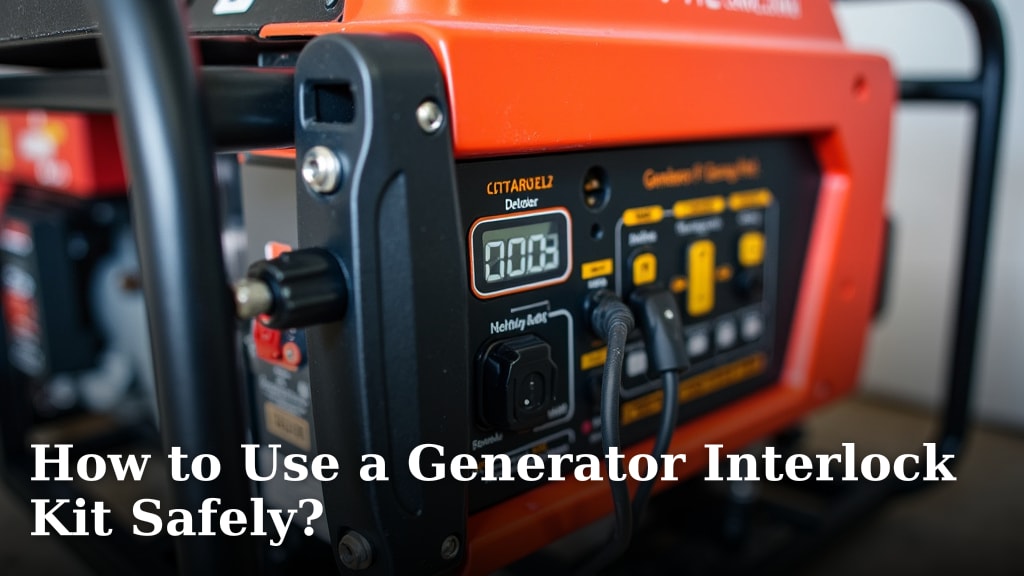
To use a generator interlock kit safely, you must install it correctly and follow proper operating procedures. This ensures your generator powers your home without backfeeding the utility lines, which is extremely dangerous. Always prioritize safety when working with electricity.
Generator interlock kits are a smart way to connect your portable generator to your home’s electrical panel. We found that they prevent dangerous situations like electrocution for utility workers. They also protect your home’s electrical system from damage during power outages. This small device offers big peace of mind.
- Proper installation is key for safety.
- Never backfeed the utility grid.
- Interlock kits prevent electrocution risks.
- They protect your home’s electrical system.
- Always follow manufacturer instructions.
Let’s walk through exactly how to use a generator interlock kit safely, step by step. We’ll cover everything from installation basics to power-up best practices.
Safely Connecting Your Generator with an Interlock Kit
Connecting your portable generator to your home’s electrical panel doesn’t have to be intimidating. We found that a generator interlock kit is the safest and most cost-effective way to do this. It ensures you can power essential circuits in your home without any dangerous cross-connections. Your goal is to get power where you need it, simply and securely (Electrical Safety Foundation International).
Understanding How Your Interlock Kit Works
Think of an interlock kit as a mechanical switch. It’s designed to prevent two power sources from being on at the same time. This means either your utility company powers your home, or your generator does. Never both. This protective design is what makes interlock kits so essential for safety. It’s a physical guardian for your electrical system.
The “Never Backfeed” Rule
You’ll often hear about “backfeeding.” This is when your generator sends electricity back into the utility grid. It’s incredibly dangerous. We found that backfeeding can electrocute utility workers who are trying to restore power. It can also damage your generator and home wiring. Your interlock kit prevents this from ever happening.
The kit literally locks out one power source when the other is active. When your main breaker is on, the generator breaker is locked off. When the generator breaker is on, the main breaker is locked off. This simple mechanism ensures safety. No complicated electronics, just good old-fashioned mechanics.
Installation: A Job for the Pros
You might be a DIY enthusiast, but installing a generator interlock kit isn’t a weekend project. We found that improper electrical work is a leading cause of home fires and injuries. This task involves working inside your main electrical panel. You’re dealing with very high voltage. Many experts say this is a job for a licensed electrician (National Electrical Code).
Why Hire an Electrician?
- Safety First: Electricians understand electrical systems and safety protocols. They know how to de-energize your panel safely.
- Code Compliance: Your electrician will ensure the installation meets all local and national electrical codes. This prevents fines and ensures insurance coverage.
- Proper Sizing: They will help you choose the correct interlock kit for your specific electrical panel. Not all kits fit all panels.
- Peace of Mind: Knowing the job is done right removes a lot of worry. You want your power system to be reliable when you need it most.
While hiring a professional is an added cost, it’s an investment in your safety and the reliability of your home’s power system. Don’t cut corners here. They ensure your setup is foolproof and safe for your family.
Before the Lights Go Out: Preparing for an Outage
Preparation is key when owning a generator. Don’t wait for a storm to hit to get ready. You want to be able to use your generator smoothly and without stress. Taking a few proactive steps now will make a big difference later.
Essential Supplies Checklist
- Fuel: Always have fresh fuel. Gasoline can go bad. Store it safely.
- Extension Cords: Heavy-duty, outdoor-rated cords rated for your generator’s output.
- Carbon Monoxide Detector: Always use one, placing it near living areas. Generators produce deadly CO gas.
- Generator Manual: Keep it handy for reference. You might forget some details in a pinch.
- First Aid Kit: Always a good idea for any emergency.
You should also test your generator periodically. Start it up once every month or two. Let it run for about 15-30 minutes under a small load (like a lamp). This keeps the engine healthy and helps you find any issues before an actual outage. It’s like checking the oil in your car; a little maintenance goes a long way.
Operating Your Generator with the Interlock Kit: Step-by-Step
When the power goes out, stay calm. You’ve prepared for this. Using your interlock kit and generator safely involves a clear sequence of steps. Follow them precisely every time.
- Turn Off Main Breaker: First, go to your electrical panel and switch your main utility breaker to the “OFF” position. This physically disconnects your home from the power grid.
- Slide Interlock Plate: Once the main breaker is off, slide the interlock plate into position. This action will now allow you to turn on your generator’s breaker. It also keeps the main breaker from being switched back on.
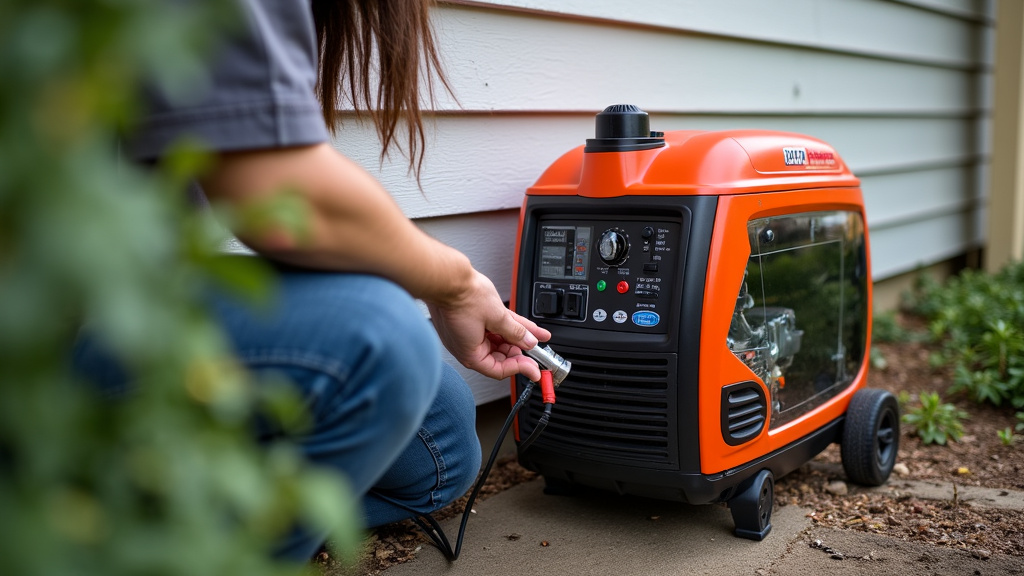
- Start Your Generator: Move your generator outside to a well-ventilated area, away from windows and doors. Connect your power cord to the generator and then to the inlet box on your home. Start the generator according to its manufacturer’s instructions.
- Turn On Generator Breaker: Once the generator is running and stable, go back to your electrical panel. Switch the generator’s dedicated breaker to the “ON” position. This feeds power from your generator into your home’s selected circuits.
- Power Essential Circuits: Now you can selectively turn on the individual circuit breakers for the appliances you want to power. Don’t try to power everything at once. Focus on essentials like your refrigerator, lights, and a few outlets.
Always remember to prioritize what you power. Your generator has a limited output. Powering too many devices can overload it, potentially causing damage or tripping breakers. It’s like carrying too many groceries; you can only hold so much at once.
What to Power: Prioritizing Your Home Circuits
When you’re running on generator power, you’re usually limited. Most portable generators can’t power an entire house. You’ll need to decide what’s most important. We found that most people prioritize refrigeration, lighting, and communication devices.
| High Priority | Medium Priority | Low Priority (Avoid) |
|---|---|---|
| Refrigerator/Freezer | Television/Entertainment | Central Air Conditioning |
| Well Pump (if applicable) | Microwave | Electric Water Heater |
| Essential Lighting | Small Kitchen Appliances (Toaster, Coffee Maker) | Electric Oven/Stove |
| Cell Phone Chargers | Computer/Wi-Fi Router | Clothes Dryer |
By focusing on high and medium priority items, you ensure your generator isn’t overworked. This extends its life and keeps your critical systems running. It’s about being smart with your power, not about living in luxury during an outage.
After the Power Returns: Safely Shutting Down
You’ve seen the streetlights come back on. Great! Now, you need to reverse the process to safely transition back to utility power. Do this carefully and in the correct order to avoid any issues.
- Turn Off Circuit Breakers: Go to your electrical panel and switch off ALL the individual circuit breakers that you had powered with your generator. This unloads the generator before shutting it down.
- Turn Off Generator Breaker: Flip the generator’s main breaker in your panel to the “OFF” position.
- Shut Down Generator: Go outside and shut down your generator according to its manual. Let it cool down before storing it.
- Slide Interlock Plate: Go back to your electrical panel and slide the interlock plate back to its original position. This will allow you to turn on your main utility breaker.
- Turn On Main Breaker: Switch your main utility breaker back to the “ON” position. Your home is now fully powered by the utility grid again.
- Turn On Circuit Breakers: Finally, turn on your individual circuit breakers as needed.
This shutdown sequence is just as important as the startup. It ensures a smooth transition and protects both your generator and your home’s electrical system. Think of it as a methodical dance; you need to follow every step.
Important Safety Protocols for Generator Use
Beyond the interlock kit, general generator safety is paramount. We found that most generator-related injuries and deaths are preventable. Your awareness and adherence to safety guidelines are your best defenses.
Carbon Monoxide: The Silent Killer
Generators produce carbon monoxide (CO). This gas is colorless, odorless, and deadly. We found that hundreds of people die each year from accidental CO poisoning (CDC). Never run a generator indoors, in a garage, or near windows/vents. Always place it at least 20 feet away from your home, with the exhaust pointed away. Use CO detectors inside your home.
Fuel Safety
Store fuel in approved containers, in a well-ventilated area away from living spaces and heat sources. Never refuel a hot or running generator. Spilled fuel on a hot engine can easily ignite. Keep a fire extinguisher nearby just in case.
Proper Electrical Connections
Only use heavy-duty, outdoor-rated extension cords that are in good condition. Never use damaged cords. Ensure all connections are secure. Avoid wet conditions. Water and electricity are a dangerous combination. Use an inlet box on your home that is correctly wired by an electrician for your generator connection.
Maintaining Your Generator and Interlock Kit
Just like any piece of equipment, your generator and even your interlock kit benefit from a little care. Regular maintenance ensures they work when you need them most.
- Generator Maintenance:
- Change the oil and air filter regularly according to the manufacturer’s schedule.
- Check spark plugs.
- Inspect the fuel lines for cracks or leaks.
- Keep the generator clean and free of debris.
- Run it periodically for a test.
- Interlock Kit:
- Visually inspect the interlock mechanism occasionally to ensure it moves freely.
- Ensure it’s not obstructed by dust or debris inside the panel.
Your generator and interlock kit are serious safety devices. Treating them with respect and maintaining them properly means they will be ready to perform their vital function when the next storm rolls through. You’re investing in your family’s comfort and safety during challenging times.
Conclusion
Using a generator interlock kit offers a safe and reliable way to power your home during outages. You’ve learned that proper installation by a licensed electrician is non-negotiable. We’ve also covered the critical steps for safely operating your generator, from startup to shutdown, and why prioritizing circuits matters. By understanding the “never backfeed” rule and adhering to safety protocols like carbon monoxide awareness, you can protect your family and property. Your preparation today ensures peace of mind tomorrow. Now, take the next step: contact a qualified electrician to discuss installing an interlock kit for your home.
Frequently Asked Questions
Can I install a generator interlock kit myself?
No, you should not install an interlock kit yourself. This task involves working with your home’s main electrical panel and high voltage. We found that it is crucial to hire a licensed electrician to ensure safety and compliance with all electrical codes.
Why is “backfeeding” so dangerous?
Backfeeding means sending electricity from your generator back into the utility grid. This is extremely dangerous because it can electrocute utility workers who believe the lines are dead. Your interlock kit specifically prevents this life-threatening situation.
How far away from my house should I place my generator?
You should always place your generator at least 20 feet away from your home. Make sure the exhaust is pointed away from windows, doors, and vents. This helps prevent dangerous carbon monoxide from entering your living spaces.
What should I do if my generator overloads?
If your generator overloads, it will likely trip its own breaker or internal safety mechanism. Turn off some of the connected appliances. Then, reset the generator’s breaker. You should always power only essential items to avoid overloading.
How often should I test my generator?
You should test your generator at least once every month or two. Start it up and let it run for 15-30 minutes with a light load. This keeps the engine healthy and helps you identify any potential issues before an actual power outage occurs.
