
What Is the Safest Way to Use a Generator Interlock Kit Safely?
The safest way to use a generator interlock kit involves strict adherence to installation instructions, proper grounding, and always flipping the main breaker off first. We found that following manufacturer guidelines precisely is essential for preventing dangerous backfeeding and ensuring your home’s electrical safety.
You want to keep your family safe during a power outage, right? A generator interlock kit lets you power your home directly from a portable generator, but it needs careful handling. Many experts say that rushing the process or skipping steps can lead to serious hazards, including electrical shock or even death for utility workers.
- Always turn off your main breaker before starting your generator.
- Install the interlock kit correctly, following all instructions.
- Ensure your generator is properly grounded.
- Never run your generator indoors or in enclosed spaces.
- Regularly inspect your kit and generator for wear and tear.
Let’s walk through exactly how to use a generator interlock kit safely, step by step, so you can keep the lights on without worry.
Optimizing Your Generator Interlock Kit for Maximum Safety
Ensuring your generator interlock kit operates safely requires more than just installation; it demands a clear understanding of its function and how to use it correctly every single time. Your goal is to prevent dangerous electrical feedback into the utility grid while powering your home.
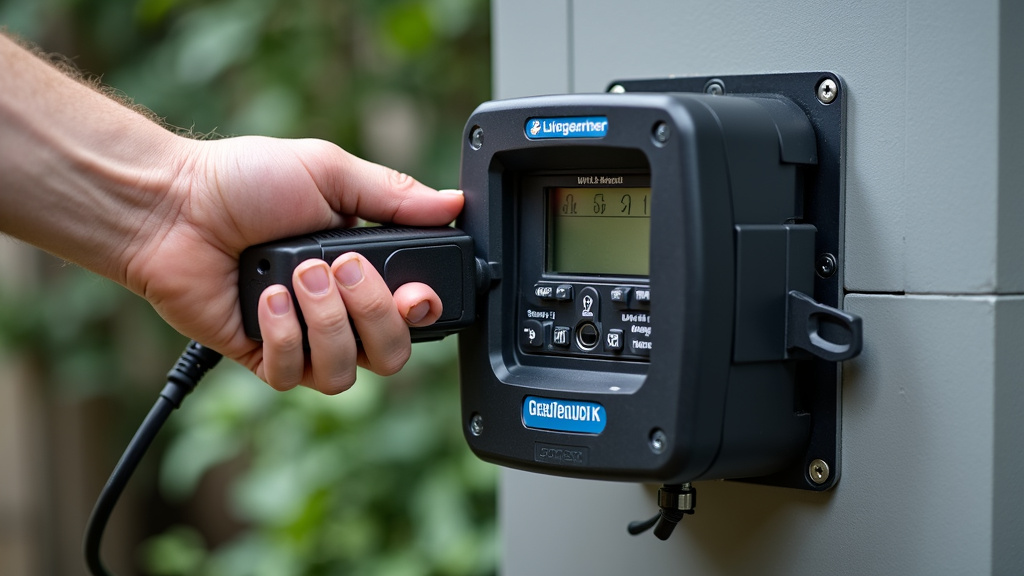
The interlock kit is a mechanical device. It prevents your main circuit breaker and your generator’s circuit breaker from being on at the same time. This simple mechanism is your first line of defense against backfeeding electricity.
Understanding How an Interlock Kit Works
Think of an interlock kit as a safety gate. It physically blocks you from making a critical mistake. When your generator breaker is on, the main utility breaker must be off. It’s that straightforward.
This design prevents power from your generator from flowing out of your house and into the utility lines. Why is this so important? Because utility workers could be working on those lines, believing them to be de-energized. Backfeeding can cause severe injury or even death (Occupational Safety and Health Administration).
The “Why” Behind Each Safety Step
Every step in using your interlock kit safely has a purpose. We found that understanding the “why” helps you remember the “how.” For example, turning off your main breaker first isn’t just a rule; it’s a critical safety measure.
It cuts off your home from the utility grid. This action isolates your electrical system. It prepares your home to safely receive power from your generator without any risk of overlap.
Pre-Operation Checklist: Before You Start Your Generator
Before you even think about starting your generator, there are some crucial checks. These steps ensure your setup is ready and safe. A little preparation goes a long way in preventing accidents.
Many experts say a pre-operation checklist is non-negotiable. It helps create a routine. This routine reduces the chance of forgetting a critical safety step when you’re under pressure during a power outage.
- Confirm your interlock kit is properly installed and functioning.
- Ensure your generator is placed in a well-ventilated area, far from windows and doors.
- Check the generator’s fuel level and oil.
- Inspect all power cords for damage or fraying.
- Verify your generator is properly grounded with a grounding rod.
- Have a carbon monoxide detector in your home, especially if using a generator.
Step-by-Step Safe Operation
Following these steps in order is paramount. Do not skip any. Each action builds on the last, ensuring a safe transfer of power. We found that rushing through these steps is where most mistakes happen.
Imagine these steps as a carefully choreographed dance. Each movement is precise. Your safety depends on it.
- Turn Off Your Main Breaker: This is the absolute first step. Locate your home’s main circuit breaker in the electrical panel. Flip it to the “off” position. This physically disconnects your home from the utility company’s power lines.
- Flip the Interlock Kit to “Generator” Position: With the main breaker off, slide the interlock plate to allow the generator breaker to be turned on. This plate physically blocks the main breaker from being switched on.
- Turn On the Generator Breaker: Locate the specific breaker in your panel designated for your generator inlet. Flip this breaker to the “on” position.
- Start Your Generator: Now you can safely start your portable generator outside. Follow your generator’s specific starting instructions. Let it warm up for a few minutes.
- Connect Your Generator to the Inlet Box: Using the proper heavy-duty outdoor power cord, connect your running generator to the outdoor inlet box.
- Power Up Individual Circuits: Back inside, go to your electrical panel. Systematically turn on the individual circuit breakers for the appliances and lights you want to power. Don’t overload your generator by turning everything on at once.
Safely Shutting Down Your Generator
Turning off your generator system is just as important as starting it. Reversing the process correctly prevents sudden power surges and ensures your home is ready for utility power to return. Don’t just pull the plug.
Many experts emphasize that the shutdown sequence matters. It protects your appliances. It also protects the generator itself from unnecessary strain or damage.
- Turn Off Individual Circuit Breakers: Go back to your electrical panel. Turn off all the individual circuit breakers you had previously powered up. This removes the load from your generator.
- Turn Off the Generator Breaker: With all loads off, flip the generator breaker in your main panel to the “off” position.
- Shut Down Your Generator: Go outside and turn off your generator. Allow it to cool down before refueling or storing.
- Disconnect Generator Cord: Once the generator is off and cool, disconnect the power cord from both the generator and the inlet box. Store the cord properly.
- Flip the Interlock Kit to “Main” Position: Back inside, slide the interlock plate back to its original position. This will now allow you to turn on your main utility breaker.
- Turn On Your Main Breaker: Finally, flip your main utility breaker back to the “on” position. Your home is now reconnected to the utility grid.
Generator Placement and Carbon Monoxide Safety
Carbon monoxide (CO) is an invisible, odorless, deadly gas. Generators produce CO. This is why generator placement is critically important. Never run a generator indoors, in a garage, or near open windows (CDC).
We found that many carbon monoxide poisoning incidents linked to generators happen when people don’t respect these safety rules. Even partially open doors or windows are not enough ventilation. The gas can easily seep into your home.
Recognizing the Symptoms of CO Poisoning
Knowing the signs of CO poisoning can save lives. Symptoms often mimic the flu. These include headache, dizziness, nausea, and fatigue. If you suspect CO poisoning, get fresh air immediately and seek medical attention.
Install battery-operated CO alarms in your home. Place them outside sleeping areas. Test them regularly. This simple device provides a crucial early warning system (Consumer Product Safety Commission).
Regular Maintenance and Inspection
A generator and its interlock kit are like any other piece of machinery. They need regular care. Routine maintenance helps ensure they work reliably when you need them most. It also helps spot potential safety issues before they become dangerous.
We recommend a yearly check-up. This includes inspecting the interlock kit itself. Look for any loose parts. Check for signs of wear or damage. Make sure it moves smoothly and blocks correctly.
Here’s a quick maintenance checklist:
- Check generator oil and fuel lines.
- Clean or replace air filters.
- Inspect spark plugs.
- Test your CO detectors.
- Examine all power cords for damage.
- Verify the generator’s grounding rod connection.
Comparing Interlock Kits with Transfer Switches
While this post focuses on interlock kits, it’s helpful to understand the difference. Both safely connect a generator to your home. However, they achieve it differently. An interlock kit is typically a more affordable, manual option.
A transfer switch is often more automated. It physically isolates your home from the utility grid. Some transfer switches can even start your generator automatically when power goes out. Both are safe, but transfer switches offer more convenience.
| Feature | Generator Interlock Kit | Manual Transfer Switch |
|---|---|---|
| Installation | Installs on existing main electrical panel | Separate panel installed near main panel |
| Cost | Generally lower cost | Higher cost |
| Operation | Manual (flipping breakers) | Manual (flipping a switch/lever) |
| Backfeed Prevention | Mechanical interlock plate | Dedicated wiring and switch |
| Flexibility | Powers specific circuits chosen via main panel | Powers specific circuits pre-wired into switch |
| DIY Potential | Some kits allow DIY with proper knowledge; professional install recommended | Professional installation strongly recommended |
When to Call a Professional Electrician
While some homeowners feel confident with DIY tasks, electrical work is serious. If you’re unsure about any step, call a licensed electrician. This is especially true for the initial installation of the interlock kit (National Electrical Code).
An improperly installed interlock kit is a fire hazard. It also presents a severe electrocution risk. Don’t take chances with your family’s safety or your home’s integrity. Professionals ensure everything meets safety codes.
An electrician can also help you choose the right size generator. They can calculate your home’s power needs. This prevents overloading your generator. It also ensures you get the most efficient use out of your power source.
Conclusion
Safely using a generator interlock kit boils down to understanding and respecting its design. We’ve walked through why each step matters, from turning off the main breaker to proper generator placement. Your diligent adherence to these procedures protects you, your home, and utility workers.
Remember, an interlock kit is a mechanical safeguard. You are the operator. When in doubt, always consult a qualified electrician. Your peace of mind, and the safety of everyone involved, depends on taking these steps seriously every time you need emergency power.
Frequently Asked Questions
Can I install a generator interlock kit myself?
While some kits are marketed as DIY-friendly, we strongly recommend a qualified electrician install it. Improper installation can create dangerous electrical hazards and may not comply with local electrical codes.
How do I know what size generator I need for my interlock kit setup?
An electrician can calculate your home’s power needs. They will help you choose a generator that provides enough wattage for your essential appliances without overloading the system. This prevents damage to both your generator and appliances.
Is an interlock kit legal in all areas?
Generator interlock kits are generally compliant with the National Electrical Code. However, local codes can vary. Always check with your local authority or a licensed electrician to confirm legality in your specific region.
What’s the difference between a generator interlock kit and a manual transfer switch?
An interlock kit mechanically prevents two breakers from being on simultaneously within your main panel. A manual transfer switch is a separate, dedicated panel that directly wires certain circuits to your generator, often offering a slightly more streamlined operation.
How often should I test my generator and interlock kit?
It’s a good practice to test your generator and interlock kit monthly, or at least every few months. Start the generator, let it run briefly, and cycle through the interlock procedure without powering your home. This ensures everything works when you truly need it.
