What Causes Generator Vibrating Excessively?
On this page (5 sections)
Excessive generator vibration often happens because of uneven weight distribution. This can be due to a loose engine mounting or unbalanced rotating parts. You might also be dealing with fuel delivery issues or problems with the exhaust system. These are common culprits that experts point to when a generator starts shaking.
When your generator rumbles more than usual, it’s a sign that something needs attention. It’s not just about noise; vibrations can lead to faster wear and tear on your equipment. We found that understanding the root cause can save you from bigger, more expensive repairs down the road. Think of it as your generator politely asking for a check-up.
- Loose engine mounts are a big one.
- Unbalanced internal parts can cause shakes.
- Fuel or exhaust problems are often overlooked.
- Regular maintenance can prevent most issues. Regular maintenance, such as oil changes, can prevent most issues.
- Check your generator’s feet for even contact.
Let’s dive into the common reasons why your generator might be shaking more than it should, and what you can do about it.
Understanding Why Your Generator is Shaking
When your generator starts vibrating more than usual, it’s often a sign that something needs attention. We found that this shaking isn’t just annoying; it can lead to faster wear and tear on your equipment. Think of it as your generator politely asking for a check-up. Let’s dive into the common reasons why your generator might be shaking more than it should.
Common Causes of Generator Vibration
Engine Mounts and Their Importance
One of the most frequent culprits behind generator vibration is the engine mounts. These are the pieces that secure your generator’s engine to its frame. They are designed to absorb some of the engine’s natural shaking. If these mounts become loose, worn, or damaged, they can’t do their job effectively. This allows more vibration to transfer to the entire generator unit.
Loose Mounting Bolts
Over time, the bolts holding your engine mounts in place can loosen. This can happen due to constant engine operation and the resulting vibrations. When bolts are loose, the engine can shift slightly, causing uneven stress and increased shaking. Regularly checking and tightening these bolts is a simple yet effective maintenance step.
Damaged or Worn Mounts
Engine mounts are typically made of rubber or a similar material. This material can degrade over time due to heat, oil exposure, or simple aging. Cracks, tears, or excessive compression in the mounts mean they can’t absorb vibrations properly. If you see visible damage, it’s time to replace them.
The Role of Rotating Parts and Balance
Generators have several moving, rotating parts. The main ones are the engine’s crankshaft and the alternator’s rotor. If these parts become unbalanced, they can cause significant vibration. Think of a washing machine with a load of clothes that aren’t spread out evenly – it shakes violently.
Unbalanced Rotating Components
Internal components like the crankshaft, fan blades, or even the alternator rotor can become unbalanced. This might happen if a piece of debris gets stuck, or if manufacturing tolerances weren’t perfect. An unbalanced rotor is a common cause of severe shaking, especially at higher speeds. Repairing this often requires specialized knowledge.
Improper Installation or Assembly
If your generator was recently serviced or assembled, an error during installation could be the cause. Parts might not be seated correctly, or a component could be misaligned. This misalignment can create an imbalance that leads to vibration. We found that careful assembly is key to preventing these issues.
Fuel and Exhaust System Issues
Sometimes, the vibration isn’t directly from the engine’s mechanics but from its supporting systems. Problems with how your generator is getting fuel or how it’s expelling exhaust can also contribute to shaking.
Fuel Delivery Problems
An inconsistent fuel supply can cause the engine to run rough. This rough running often translates into uneven power output and vibration. Issues like a clogged fuel filter, a faulty fuel pump, or air in the fuel lines can disrupt the smooth combustion process. Many experts point to clean fuel as essential for smooth operation.
Exhaust System Malfunctions
Your generator’s exhaust system needs to be securely attached. If the muffler or exhaust pipe is loose, it can vibrate. This vibration can then travel through the generator frame. Additionally, a blocked exhaust can cause backpressure, leading to engine performance issues and, yes, more shaking. Checking that the exhaust is tightly secured and free from obstructions is important.
The Foundation: Generator Feet and Stability
The very base of your generator plays a critical role in how it operates. The feet or baseplate are designed to keep the generator stable and isolate it from the ground. If these aren’t functioning correctly, you’ll likely experience more vibration.
Uneven Contact with the Ground
Generators need to sit on a flat, stable surface. If the ground itself is uneven, or if one of the generator’s feet is not making solid contact, the unit will wobble. This instability is a direct cause of shaking. You should always check that your generator is on a level surface before starting it.
Worn or Damaged Feet
Like engine mounts, the rubber feet on your generator can wear out. If they become cracked, brittle, or compressed unevenly, they won’t absorb vibrations effectively. This allows the generator’s vibrations to transfer directly to the surface it’s sitting on, making the whole unit feel shaky. Regular inspection of these feet is a smart move.
Maintenance Tips to Prevent Vibration
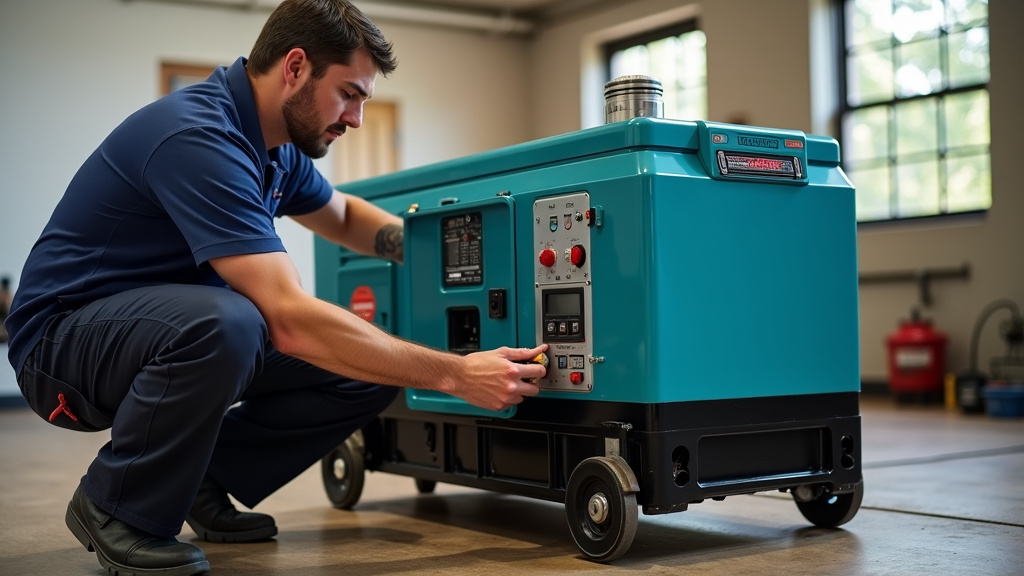
Regular maintenance is your best defense against excessive generator vibration. We found that a consistent upkeep schedule can identify and fix minor issues before they escalate into major problems.
- Check engine mounts and bolts: Ensure they are tight and free from damage.
- Inspect rotating parts: Look for any obvious signs of damage or debris.
- Clean or replace fuel filters: A clean fuel system means a smoother run.
- Verify exhaust system security: Make sure it’s tightly fastened and clear.
- Examine generator feet: Confirm they are all making even contact and are not damaged.
- Keep the area clean: Debris can get into moving parts or cause instability.
| Problem Area | Potential Cause | Quick Fix/Check |
|---|---|---|
| Engine Mounts | Loose bolts, worn rubber | Tighten bolts, inspect rubber for cracks. |
| Rotating Parts | Unbalance, debris | Professional inspection for balance, clear any debris. |
| Fuel System | Clogged filter, air in lines | Replace filter, bleed fuel system. |
| Exhaust System | Loose connections, blockages | Secure connections, check for obstructions. |
| Base/Feet | Uneven surface, worn feet | Level ground, check feet for damage. |
Conclusion
You’ve learned that excessive generator vibration rarely comes from a single cause. Often, it’s a combination of factors like loose engine mounts, unbalanced rotating parts, or issues within your fuel and exhaust systems. Even the generator’s feet play a vital role in stability. By understanding these common culprits, you’re much better equipped to diagnose and address the problem. Don’t wait for minor shakes to become major headaches; commit to a regular maintenance schedule to keep your generator running smoothly and reliably for years to come.
Frequently Asked Questions
How often should I check my generator’s engine mounts?
We found that checking your engine mounts at least every six months is a good practice. Also, inspect them after any significant maintenance or if you notice increased vibration. Look for visible signs of wear, cracks, or looseness in the bolts securing them.
Can a dirty fuel filter really cause my generator to vibrate?
Yes, a dirty fuel filter can restrict fuel flow, leading to an inconsistent fuel supply. This can cause the engine to run rough, which often translates into noticeable vibration. Replacing your fuel filter regularly is a simple way to ensure smooth engine operation.
What’s the difference between engine mount vibration and rotating part vibration?
Engine mount vibrations usually feel more like a general shaking transmitted through the frame. Vibrations from unbalanced rotating parts, like the rotor, can be more intense and may change frequency with engine speed. We’ve seen that diagnosing this often requires a closer look at specific components.
Is it safe to run a generator that’s vibrating excessively?
It’s generally not recommended to run a generator with excessive vibration for extended periods. Continued shaking can cause premature wear on critical components, potentially leading to more serious damage or even failure. It’s best to address the cause of the vibration before continued use.
Where is the best place to install a generator to minimize vibration?
Placing your generator on a flat, level, and stable surface is key. Ensure all the generator’s feet are making even contact with the ground. Some people also use generator vibration pads or mounts under the generator feet for added stability and noise reduction.