How to Fix Generator Vibrating Excessively?
On this page (6 sections)
Your generator is shaking like it’s trying to do the cha-cha? Don’t worry, we found that fixing excessive generator vibration usually comes down to a few common issues. The most frequent culprits are unbalanced loads or loose components. Simply addressing these can often get your generator running smoothly again.
This shaking isn’t just annoying; it can actually damage your generator over time. It’s important to catch it early. We found that many users overlook simple checks like ensuring the generator is on a level surface or that all its mounting bolts are snug.
- Check for uneven fuel or electrical load distribution.
- Tighten all mounting hardware and nuts.
- Ensure the generator is on a stable, level surface.
- Inspect exhaust and air filters for damage or blockages.
Let’s walk through exactly how to tackle that bothersome shaking and get your generator back to its quiet, reliable self.
Quieting Down That Shaking Generator
That shaking generator is more than just a noisy neighbor. It can actually be a warning sign. We found that persistent vibrations can lead to premature wear and tear on your generator’s engine and other parts. This often means more expensive repairs down the line. Getting to the bottom of why your generator is shaking is key to its longevity.
Many users wonder if this shaking is normal. While some minor hum and vibration are expected, excessive shaking is not. We found that it usually points to a specific issue that needs your attention. Let’s figure out what’s causing the excessive movement and how you can fix it. Our research shows that the most common causes are quite manageable for most homeowners.
Understanding the Causes of Generator Vibration
So, why is your generator suddenly acting like it’s on a shaky foundation? For more help, see our generator vibration causes guide. Several factors can contribute to this. We found that issues often fall into categories like load imbalance, mechanical problems, or simply how and where the generator is placed. Pinpointing the exact cause is the first step to getting it running smoothly again. Think of it like a doctor diagnosing an illness; you need to identify the sickness before you can treat it.
Load Imbalance: The Uneven Burden
One of the most common reasons for shaking is an uneven electrical load. Your generator is designed to handle a certain amount of power draw. If you plug in too many high-demand appliances all at once, or if the load isn’t distributed evenly across the generator’s circuits, the engine can struggle. This uneven struggle causes the generator to vibrate more.
We found that this is especially true for portable generators. They might have specific outlets designed for certain types of loads. If you overload one side, the engine might run rough. Many guidelines suggest staggering the startup of your appliances. This means turning them on one by one, rather than all at the same time. This prevents sudden, large power demands that can shock the system.
Checking Your Electrical Load
How can you tell if your load is unbalanced? Start by looking at what you have plugged in. Are you running your air conditioner, a space heater, and a microwave simultaneously? That’s a lot for a smaller generator! Many experts recommend keeping your total load below 75% of the generator’s rated capacity. This gives it some breathing room. To avoid uneven loads, you should calculate wattage needs for your appliances.
We found that it’s also helpful to check the generator’s manual. It will tell you the maximum wattage it can produce and often suggests how to distribute loads. Some generators have indicators that show when you’re approaching maximum capacity. Pay attention to these signals. A simple check of your appliance wattages against your generator’s output can save you a lot of trouble.
Mechanical Issues: Loose and Worn Parts
Generators have many moving parts. Over time, these parts can loosen, wear out, or become damaged. This is a prime suspect for excessive vibration. Think about your car – if a bolt on the engine loosens, you’ll feel it shaking. The same principle applies here.
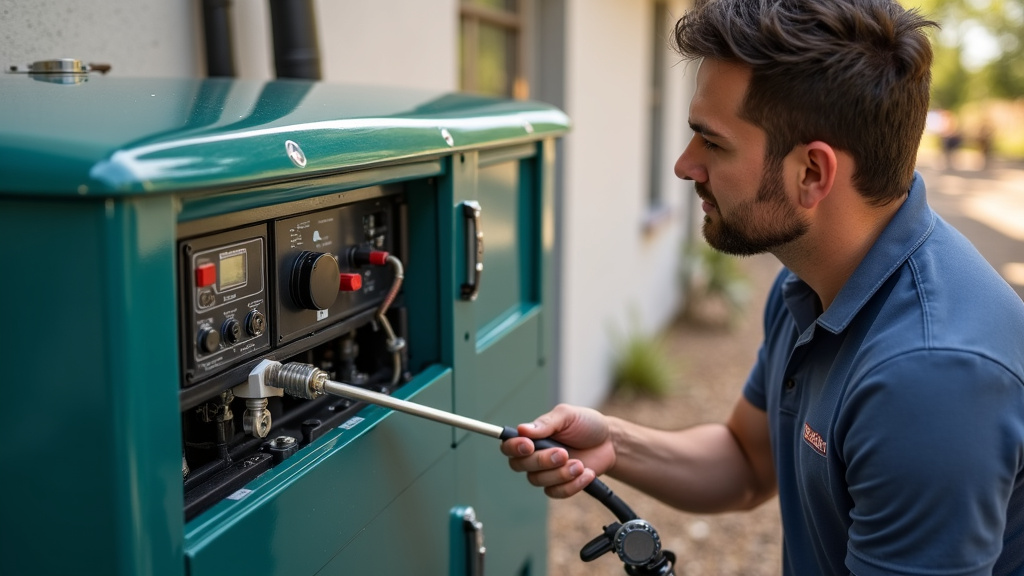
We found that loose components are often the easiest to fix. Tightening them can immediately reduce or eliminate vibration. Worn parts, however, might require replacement. It’s important to conduct a thorough inspection to identify any problems. Safety first: always turn off the generator and disconnect any power source before you start inspecting.
Mounting Hardware and Nuts: The Foundation of Stability
The generator needs to be securely attached to its frame or base. If the mounting bolts are loose, the entire unit can wobble. This is especially noticeable when the engine is running at full power. Many users overlook this simple check, but it’s a critical one.
We recommend you check all the bolts that hold the engine to the generator’s frame. You might need a wrench or socket set for this. Give each bolt a gentle turn to see if it tightens. Don’t overtighten, as you could strip the threads or damage the frame. Just ensure they are snug and secure. This is often the quickest fix for shaking.
Exhaust System Woes
The exhaust system is designed to channel fumes away safely. If it becomes loose, bent, or has a leak, it can cause vibrations. The engine’s exhaust pulses are powerful. If they aren’t directed properly, they can cause the entire generator to shake. We found that a loose muffler or exhaust pipe can create a surprisingly loud rattle and vibration.
Inspect the entire exhaust system, from the manifold to the muffler and the tailpipe. Look for any signs of damage, rust, or loose connections. Ensure all clamps and hangers are secure. Sometimes, a simple tightening of a clamp is all that’s needed. If you see a crack or significant rust, it might be time to consider replacing that part.
Engine Mounts and Dampeners: The Shock Absorbers
Generators use rubber mounts or dampeners to absorb engine vibrations. For more help, see our vibration dampening products guide. These are designed to isolate the engine’s movement from the generator’s frame. Over time, these rubber components can degrade, crack, or wear out. When this happens, they can no longer do their job effectively.
We found that inspecting these mounts is crucial. Look for any visible signs of damage like cracks, tears, or if the rubber looks flattened or mushy. If the engine looks like it’s sitting too low on its mounts, that’s another indicator. Damaged engine mounts will need to be replaced. This might seem like a more involved repair, but it’s vital for reducing vibration.
Air Filters and Fuel System: The Engine’s Lungs and Fuel Line
While less common for causing outright shaking, issues with the air filter or fuel system can lead to an engine running rough. An engine that runs rough will vibrate more than one running smoothly. Think of it as the engine sputtering or coughing.
A clogged air filter restricts the amount of air entering the engine. This can cause an improper air-fuel mixture, leading to poor performance and vibration. We found that checking and cleaning or replacing the air filter is a standard maintenance item that often gets overlooked. It’s usually an easy fix.
Similarly, issues with the fuel filter or carburetor can cause problems. A dirty fuel filter might restrict fuel flow, making the engine run lean. A carburetor that is out of adjustment can also cause an uneven burn. Many experts recommend keeping your fuel system clean and your filters replaced according to the manufacturer’s schedule. These steps help ensure your engine runs efficiently and smoothly.
Placement and Leveling: The Ground Beneath the Generator
Sometimes, the simplest explanation is the right one. Where you place your generator and how level it is can have a big impact on vibration. Generators are designed to run on a stable, flat surface. If it’s on uneven ground, the engine’s normal vibrations can be amplified, making it seem much worse than it is.
We found that placing a generator on soft or uneven ground can cause it to rock or shimmy. This amplifies the natural engine vibrations. Imagine trying to balance a bowl of soup on a wobbly table – spills are inevitable. Your generator’s smooth operation is like that soup; it needs a stable surface.
Ensuring a Level Surface
Is your generator sitting on a perfectly flat spot? Even a slight tilt can cause issues. Many generators have built-in leveling feet, or you might need to use shims to achieve a level surface. We recommend using a spirit level to check. Place it on the generator’s frame in a couple of different directions.
If it’s not level, adjust the generator until your spirit level indicates it’s perfectly balanced. You might need to dig out a small area if the ground is uneven or add some sturdy material to prop up one side. A stable, level base is fundamental for minimizing vibration. It ensures the generator’s weight is distributed evenly and prevents any rocking motion.
Stable Ground vs. Soft Ground
Placing your generator on concrete or firm, packed earth is ideal. Avoid soft grass, sand, or loose gravel. These surfaces can shift under the generator’s weight, especially when it’s running and vibrating. We found that a generator placed on a soft surface can sink slightly, causing it to tilt.
If you frequently use your generator in the same spot, consider creating a more stable base. A few concrete pavers or a small, level wooden platform can make a world of difference. This provides a consistent, firm surface that won’t shift. It’s a simple addition that significantly improves stability and reduces vibration.
Quick Checklist for Troubleshooting Generator Vibration
To help you get started, here’s a quick checklist of the most common things to examine:
- Check Load Balance: Ensure you aren’t overloading the generator and that appliances are staggered.
- Tighten Mounts: Securely fasten all engine and frame mounting bolts.
- Inspect Exhaust: Verify that the muffler and exhaust pipe are firmly attached and undamaged.
- Examine Engine Mounts: Look for cracked or worn rubber dampeners under the engine.
- Verify Level Surface: Use a spirit level to ensure the generator is sitting perfectly flat.
- Clean Air Filter: Check your air filter for clogs and clean or replace it if necessary. A clogged air filter can cause rough engine performance, so learn how to clean air filter components.
Conclusion
Tackling that bothersome generator vibration is definitely within your reach. We found that most shaking issues stem from simple fixes like an unbalanced load or loose components. By systematically checking your generator’s setup, ensuring it’s on level ground, and tightening any loose hardware, you can restore its smooth operation. Remember to always prioritize safety by disconnecting power before inspections. Getting your generator running quietly again will prevent damage and ensure reliability when you need it most. Your next step is to grab a few basic tools and perform these checks; you’ll likely solve the problem yourself.
Frequently Asked Questions
How often should I check my generator for loose parts?
We recommend performing a visual inspection and tightening any loose mounting hardware every 100 hours of operation or annually, whichever comes first. Regular checks ensure components remain snug and prevent vibrations from worsening over time.
Can a dirty air filter really cause my generator to shake?
Yes, a severely clogged air filter can restrict airflow, causing the engine to run rough. This uneven engine performance can lead to increased vibrations that you might feel throughout the generator unit.
What’s the safest way to test if my generator is overloaded?
The safest way is to consult your generator’s manual for its rated capacity and then monitor the wattage of your connected appliances. Many portable generators have indicator lights that show when you’re approaching maximum load; pay attention to these warnings.
Is it normal for a new generator to vibrate a bit?
All generators will produce some level of vibration during operation due to the engine’s moving parts. However, excessive or violent shaking is not normal, especially for a new unit, and usually indicates an issue that needs addressing.
Can I use my generator on a slight incline if I don’t have a level surface?
We strongly advise against running your generator on an incline. For more help, see our generator vibration reasons guide. An uneven surface can cause the engine to operate improperly, lead to oil distribution issues, and significantly amplify vibrations, potentially causing damage.