How to Remove Spark Plugs from a WEN Generator
To remove a spark plug from a WEN generator, shut the generator off, let the engine cool, disconnect the spark plug boot, and loosen the plug with the correct socket. Check your model's manual for access steps and plug details before turning anything.
On this page (7 sections)
- What should you do before removing a WEN generator spark plug?
- How do you find the spark plug on a WEN generator?
- What tools do you need to remove the plug?
- How do you remove the spark plug without damaging it?
- How can you keep the work area and generator ready?
- What should you check after the plug comes out?
- When should you stop and get help?
To remove a spark plug from a WEN generator, switch the generator off, let the engine cool, disconnect the plug boot, and use a properly fitting socket. Check your model's manual for the access procedure and plug details before you begin.
WEN makes multiple generator models, so the location of the plug and the steps for reaching it can vary. The manual for your exact model is the best guide to any covers, tools, and parts you need to remove first.
What should you do before removing a WEN generator spark plug?
Turn the generator off, let it cool completely, and disconnect the spark plug boot. Work in a well-ventilated area away from flames, sparks, and smoking materials.
If the generator was running, wait for hot engine parts to cool. Keep the generator stable, and follow its manual for shutdown and any fuel shutoff steps.
Don't remove a spark plug while the engine is running or hot.
Find the rubber boot covering the end of the spark plug. Grip the boot itself and pull it straight off the plug; don't yank on the wire.
If it resists, check the manual for how the boot connects and avoid twisting or pulling hard on the wire.
How do you find the spark plug on a WEN generator?
Use the manual for your generator's model number to locate the spark plug and learn how to access it. The plug is part of the engine, but its position and any covers around it vary by model.
Look for the model number on the generator's identification label, then find that model's owner's manual on WEN's manuals page. Check the diagrams and safety steps before removing a panel or reaching near engine parts.
Some models may have a service cover or other parts that need to come off for access. Follow the manual's sequence, and keep track of screws and removable pieces so you can put them back in their original positions.
What tools do you need to remove the plug?
Use a spark plug socket that fits the plug snugly, along with a ratchet or the tool specified in your manual. Confirm the correct socket size for your model rather than guessing.
A spark plug socket is designed to hold a plug during removal. Keep it straight over the plug so it engages the hex fully.
If the socket rocks or slips, stop and check that it is the right size.
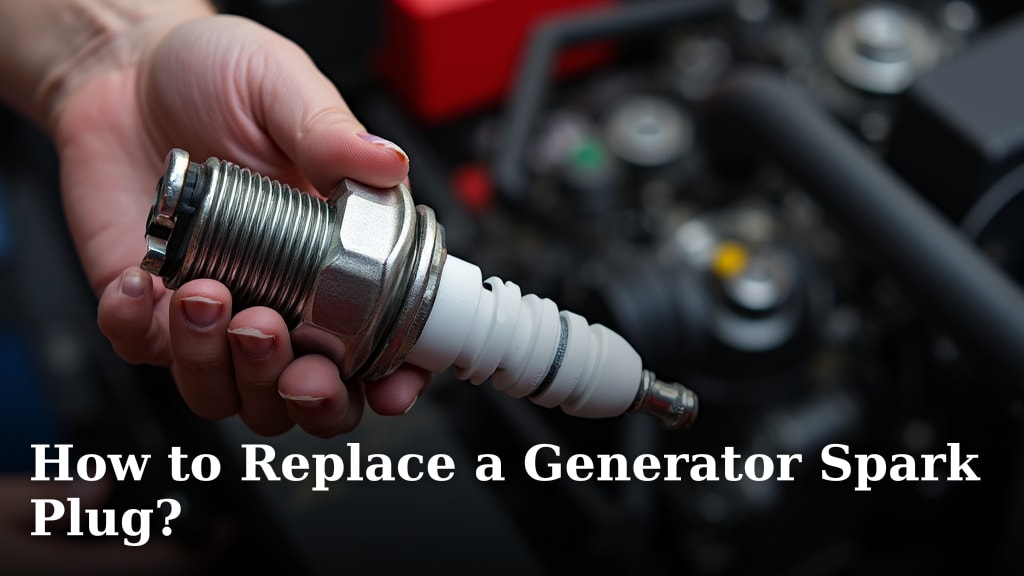
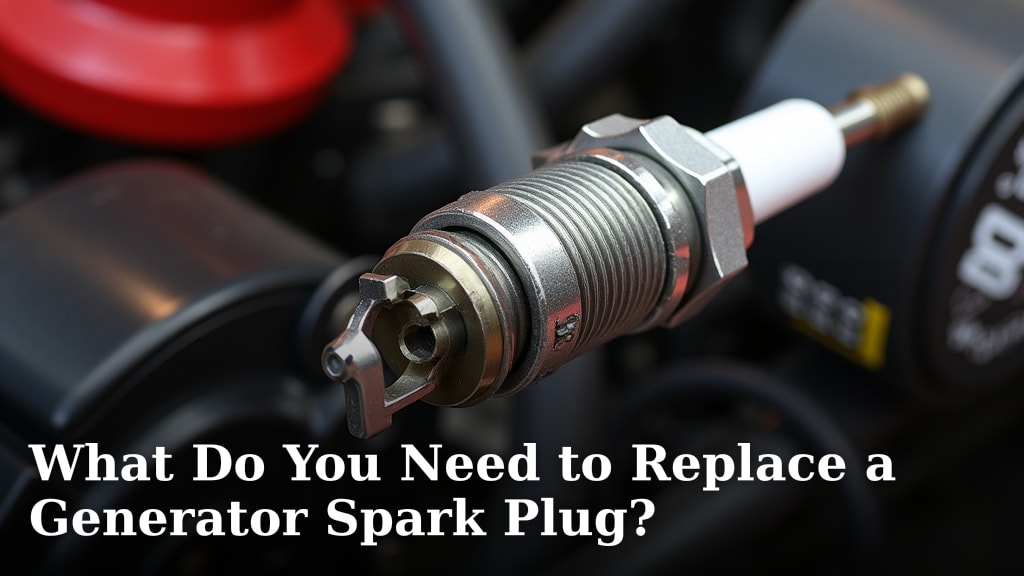
For a broader tool checklist, see what you need to replace a generator spark plug. If you're also planning to install a new plug, how to replace a generator spark plug covers the next steps.
How do you remove the spark plug without damaging it?
Clear loose dirt from around the plug, seat the socket straight, and turn counterclockwise with steady pressure. Keep debris out of the open plug hole once the plug comes free.
- Follow the manual to uncover the plug, if needed.
- Brush or wipe away loose dirt around the plug.
- Fit the socket fully over the plug and keep it aligned.
- Loosen the plug counterclockwise.
- Once loose, carefully unscrew it and lift it out.
- Keep the plug hole covered from dirt while you inspect or replace the plug.
Don't force a stuck plug or use a tool that doesn't fit. If the plug binds, the socket slips, or you see damage around the threads, stop and consult the manual or a qualified small-engine technician.
If you remove the plug to address a running problem, remember that other parts may need attention. Our guide to how to clean a generator carburetor explains one separate maintenance task.
How can you keep the work area and generator ready?
Keep tools, parts, and fuel away from heat and ignition sources while you work. Store the removed plug where it won't collect dirt, and don't leave an open fuel container beside the engine.
If you need to move gasoline for generator use, the No-Spill can has a 2.5-gallon capacity, a thumb-button control, and an attached dust cover.
Follow local rules and the can's instructions for fuel storage. Keep gasoline in an approved container, away from the generator and other ignition sources.
For home backup planning, a Reliance Controls PB30 power inlet box is designed for outdoor use and for generators up to 7,500 running watts.
A power inlet box is for connecting a generator to a compatible transfer switch or panel. See how to wire a generator inlet box for the connection steps.
Have electrical equipment installed and used according to its instructions and applicable requirements.
The Reliance Controls 31410CRK transfer switch kit is designed for generators up to 7,500 maximum running watts and includes a transfer switch, power inlet box, and power cord.
A transfer switch helps prevent feeding generator power back into utility lines. Installation involves building wiring, so use a qualified electrician and follow local requirements.
What should you check after the plug comes out?
Inspect the plug and the area around it, then follow your manual before reinstalling or replacing anything. Don't run the generator with the plug removed or with loose parts left near the engine.
Look for obvious damage, heavy deposits, or a cracked ceramic insulator. The plug's appearance alone may not identify the cause of an engine problem, so use the manual's maintenance guidance or ask a technician if you're unsure.
Before putting the generator back together, confirm the plug hole is clear and that the plug and boot are seated as instructed. Refit any covers and fasteners in the order specified by WEN.
When should you stop and get help?
Stop if the plug won't loosen with steady pressure, the socket slips, or the threads appear damaged. Forcing the plug can make a repair more difficult.
Also stop if you can't identify the model, reach the plug without removing parts, or understand the manual's instructions. A qualified small-engine technician can help with difficult access or a plug that feels seized.
For a straightforward removal, match the socket to the plug, keep it aligned, and turn counterclockwise only after the engine has cooled. If the work leads to an oil service, see how to change oil in a dual fuel generator.
Frequently asked questions
How do I remove a spark plug from a WEN generator?
Turn the generator off, let the engine cool, and disconnect the spark plug boot by its rubber cover. Clear loose dirt from around the plug, then use the socket size and access steps in your WEN manual to loosen it counterclockwise.
Stop if the socket slips or the plug binds.
What size socket does a WEN generator spark plug need?
The correct socket depends on the generator model and spark plug. Check the manual or the plug specification for your exact model before choosing a spark plug socket, and use one that fits snugly.
A loose or tilted socket can round the plug’s hex and make removal harder.
Should I remove a spark plug while the generator is hot?
No. Switch off the generator and let the engine cool before removing the plug.
Hot engine parts can burn you, and working around a running engine creates additional hazards.
Keep fuel away from ignition sources, and follow the safety instructions in your WEN manual.
Which way do you turn a spark plug to remove it?
Viewed from above the plug, turn it counterclockwise to loosen it. Keep the socket straight and use steady pressure.
If it does not move or begins to feel stuck, stop rather than forcing it; check the manual and consider having a qualified small-engine technician handle it.