How to Install a Generator Transfer Switch
A licensed electrician should install and wire a generator transfer switch after checking the panel, generator, and circuits you want to power. The switch must be matched to the system and installed so utility and generator power can't feed the same circuits at once.
On this page (8 sections)
- What does wiring a generator transfer switch involve?
- Why should a licensed electrician handle the installation?
- How does an electrician plan the transfer switch installation?
- What happens during transfer switch installation?
- How can you tell whether the installation is ready to use?
- What should you know about running the generator?
- Which products can support a transfer switch setup?
- How should you choose a transfer switch installation plan?
A licensed electrician should install and wire a generator transfer switch after checking your electrical panel, generator, and the circuits you need during an outage. The switch must keep utility power and generator power separated so current can't flow back onto the utility line.
The basic workflow is to choose the essential circuits, confirm generator and switch compatibility, plan the inlet and wiring route, then install and inspect the system under local rules. Don't open the panel or connect wires yourself unless you're qualified and local rules allow it.
What does wiring a generator transfer switch involve?
Wiring a generator transfer switch means adding a controlled connection between a generator and selected building circuits. The switch lets those circuits use one power source at a time, which helps prevent utility backfeed.
A typical portable-generator setup includes a transfer switch or panel, an outdoor power inlet, and a correctly rated generator cord. The switch connects to selected circuits in the main electrical panel, while the inlet gives the generator a weather-appropriate connection point outside.
The exact design depends on the panel, generator output, wiring layout, and applicable electrical rules. A transfer switch kit may include parts such as a switch, inlet box, and cord, but an electrician still needs to confirm that each part suits your installation.
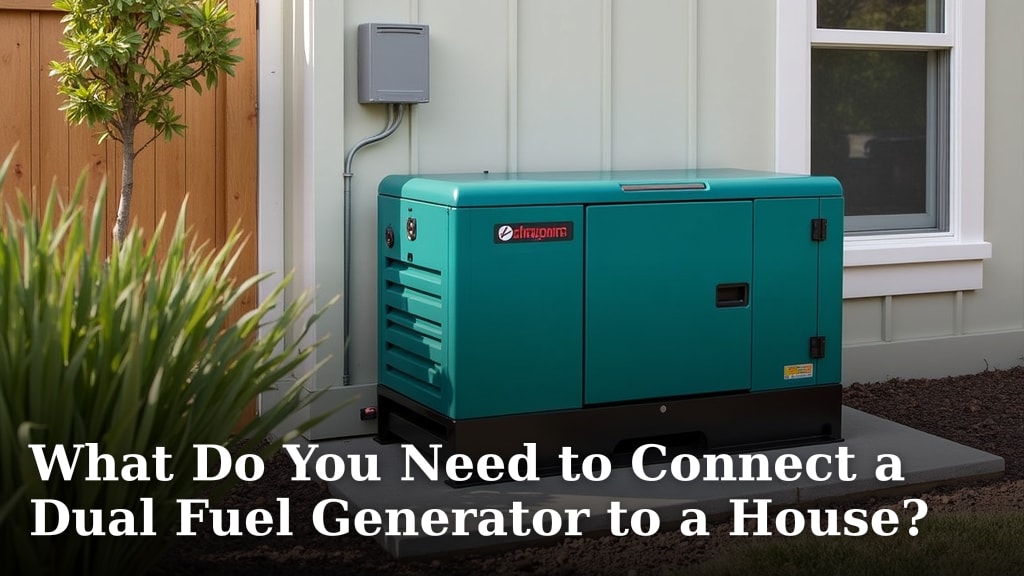
If you're comparing the system as a whole, start with what you need to connect a dual fuel generator to a house. A separate guide explains how to connect a dual fuel generator to a house.
Why should a licensed electrician handle the installation?
A licensed electrician should do the work because the installation connects to your building's electrical panel. Incorrect connections can create shock, fire, equipment damage, or backfeed hazards.
The electrician can check the panel's condition and available space, identify circuits, confirm ratings, and determine whether the proposed equipment fits local requirements. They can also tell you whether permits or an inspection are required in your area.
Don't remove the panel cover, move breakers, or handle conductors based on a generic diagram. Panel layouts and equipment differ, and a wiring method that works for one setup may be unsafe or noncompliant in another.
How does an electrician plan the transfer switch installation?
The electrician starts by matching the generator, transfer switch, inlet, and circuits. This planning step determines what the system can power and how the components should connect.
Which circuits should go on the switch?
Choose essential loads before the electrician lays out the circuits. Common priorities include a refrigerator, selected lighting, a heating control, or a sump pump, depending on your home and outage needs.
List each appliance and its electrical requirements, including whether it needs a single-pole or double-pole circuit. The electrician can help decide which loads can run together without exceeding generator or transfer-switch limits.
For a larger load plan, see what a 10000-watt generator can run.
Don't assume every important appliance can operate at once. Starting loads can also affect capacity, so the electrician should review the equipment instructions and the planned load combination.
How does the electrician check compatibility?
The electrician checks the generator's output and connection, the transfer switch rating, the inlet and cord ratings, and the circuits you plan to use. The generator must have a compatible connection and enough capacity for the loads.
Learn whether inverter generators use gas when comparing fuel-powered and battery-powered options.
A Reliance Controls 31410CRK Pro/Tran kit is described for portable generators up to 7,500 maximum running watts. It has 10 single-pole or 5 double-pole circuit positions, but those limits don't mean every connected load can run at once.
The electrician should verify the exact equipment labels and instructions before installation. Don't select a switch based only on the number of circuits or the generator's advertised maximum output.
Where should the inlet go?
The inlet location should give you a practical cord route while keeping the generator outdoors and away from doors, windows, and vents. The electrician will choose a location and wiring route that meet product instructions and local requirements.
A Reliance Controls PB30 inlet box is rated for 30 A and designed for outdoor use. Its powder-coated steel enclosure has a removable face and multiple knockout openings for wiring access.
For a closer look at inlet placement and its connection, read how to wire a generator inlet box. The inlet and transfer switch must be compatible with the generator and each other.
What happens during transfer switch installation?
The electrician mounts the switch, connects its wiring to the selected circuits, and installs the generator inlet. The work should follow the equipment instructions and local electrical rules, with permits and inspections handled as required.
A common installation sequence is:
- Confirm the equipment ratings and chosen circuits.
- Identify a suitable switch location near the electrical panel.
- Mount the transfer switch and route its wiring as planned.
- Connect the selected circuits and install the inlet connection.
- Label the circuits and check the work.
- Complete any required inspection and explain the operating steps.
This is a workflow overview, not a wiring diagram. Do not use it to perform panel work; the correct connections depend on the specific equipment and installation.
How are circuits moved to a transfer switch?
The electrician identifies the chosen circuits and connects them to the transfer switch according to the equipment instructions. The switch then controls whether those circuits receive power from the utility or the generator.
The number and type of circuits matter. The 31410CRK has a maximum of 10 single-pole circuits or 5 double-pole circuits, but the available slots don't determine which loads are safe to use together.
How is the inlet connected?
The electrician wires the inlet to the transfer switch or panel using a route and method suited to the building and equipment. A compatible generator cord connects the generator to the inlet during an outage.
Don't run a cord through a window or improvise a connection through a household receptacle. Use the installed inlet and the cord specified for the equipment.
How can you tell whether the installation is ready to use?
Have the electrician verify the completed installation and show you how to operate it before an outage. The instructions should cover the switch positions, circuit limits, generator connection, and shutdown steps.
Ask for clear labels on the circuits and a demonstration of the normal utility and generator positions. Make sure you understand which loads to leave off when the generator is running and how to avoid exceeding its capacity.
Keep the equipment instructions with your home records. If you later replace the generator, change the panel, or add major loads, have the setup reviewed before relying on it.
What should you know about running the generator?
Run a portable generator outdoors, far from doors, windows, and vents, and follow its manual. See ways to quiet generator exhaust before choosing an outdoor operating location.
Never operate it in a home, garage, basement, or other enclosed space because exhaust can cause carbon monoxide poisoning.
Keep the generator dry and protect connections as the equipment instructions require. Don't handle plugs or switch controls with wet hands, and stop if you see damaged wires, overheated parts, or signs of arcing.
For a heating load, check that the appliance and transfer-switch setup are compatible before an outage. Our guide to how to hook up a generator to a furnace covers the planning questions for that specific load.
Which products can support a transfer switch setup?
Choose products by their role in the system, then confirm compatibility with an electrician. A switch kit, inlet box, and safe fuel storage can each support a different part of outage preparation.
The Reliance Controls 31410CRK combines a 10-circuit, 30 A transfer switch kit with a power inlet box and cord. Have an electrician confirm the kit suits your panel, generator, and intended circuit plan.
The Reliance Controls PB30 is an outdoor 30 A inlet box intended for wiring to compatible transfer switches or panels. It can be relevant when planning an inlet connection, but it isn't a transfer switch.
The No-Spill 1405 is a 2.5 gallon gasoline can with thumb-button pouring control and an attached dust cover. Store gasoline only as local fire rules and the generator manual allow, away from living spaces and ignition sources.
For other transfer switch options, see the best generator transfer switches for dual fuel generators. Check ratings and included parts against your specific setup before choosing equipment.
How should you choose a transfer switch installation plan?
For how to wire a generator transfer switch, start with the circuits you need, then ask a licensed electrician to match the equipment and install it. The right plan depends on your panel, generator, local requirements, and intended loads.
Choose a kit when its included parts and ratings fit the planned installation. Consider a separate inlet box only when the electrician confirms it works with the switch or panel.
Keep the generator outdoors, follow the manuals, and use the installed inlet rather than an improvised connection. A professional review before an outage gives you a clear operating plan for your home.
Frequently asked questions
Can I install a generator transfer switch myself?
A licensed electrician should handle the installation because it involves your service panel, building wiring, and protection against utility backfeed. Local rules may require permits or inspection, and the electrician can confirm the correct switch, circuit layout, grounding, and connection method for your equipment.
What does a generator transfer switch connect?
A transfer switch connects selected building circuits to a portable generator while isolating them from utility power. The switch and inlet must be rated and wired for the generator and intended loads, with the circuit selection and installation reviewed by a qualified electrician.
How many circuits can a transfer switch power?
The number depends on the transfer switch and generator capacity. For example, the Reliance Controls 31410CRK is described for up to 10 single-pole or 5 double-pole circuits, but an electrician should confirm which circuits can run together within the generator's limits.
Does a transfer switch prevent backfeeding?
A properly selected and installed transfer switch prevents generator power from feeding the utility line by keeping the two power sources from energizing the same circuits at once. Never connect a generator through a household outlet or bypass the switch; have the installation checked by a licensed electrician.