How to Quiet Generator Exhaust
Fix loose exhaust parts and use only a muffler approved for your generator model to reduce exhaust noise. Keep the outlet clear, preserve ventilation, and never redirect exhaust toward people or buildings.
On this page (7 sections)
- How do you quiet generator exhaust safely?
- What can you check when the exhaust gets louder?
- Can you use an exhaust extension or redirect the outlet?
- How can you reduce noise without changing the muffler?
- What products can support a safer generator setup?
- When should you stop using a noisy generator?
- What is the safest way to quiet generator exhaust?
To quiet generator exhaust, repair loose or damaged parts and use only a muffler approved for your exact generator model. Keep the outlet unobstructed, maintain the required clearance and airflow, and never route exhaust toward people, doors, windows, or vents.
Exhaust noise is only one part of generator sound. Engine vibration, cooling fans, and the generator's position can also contribute, so identify the source before changing anything.
How do you quiet generator exhaust safely?
Start with the generator manual and a cool, switched-off machine. Inspect the muffler and exhaust connections for visible looseness, corrosion, cracks, or soot that could indicate a leak.
Don't touch the exhaust while the generator is running or hot. If you find damage, stop using the unit and contact its manufacturer or a qualified service technician.
A secure, intact exhaust system may still be loud. Ask the manufacturer whether a quieter muffler or exhaust accessory is approved for your model, and follow its installation and maintenance instructions.
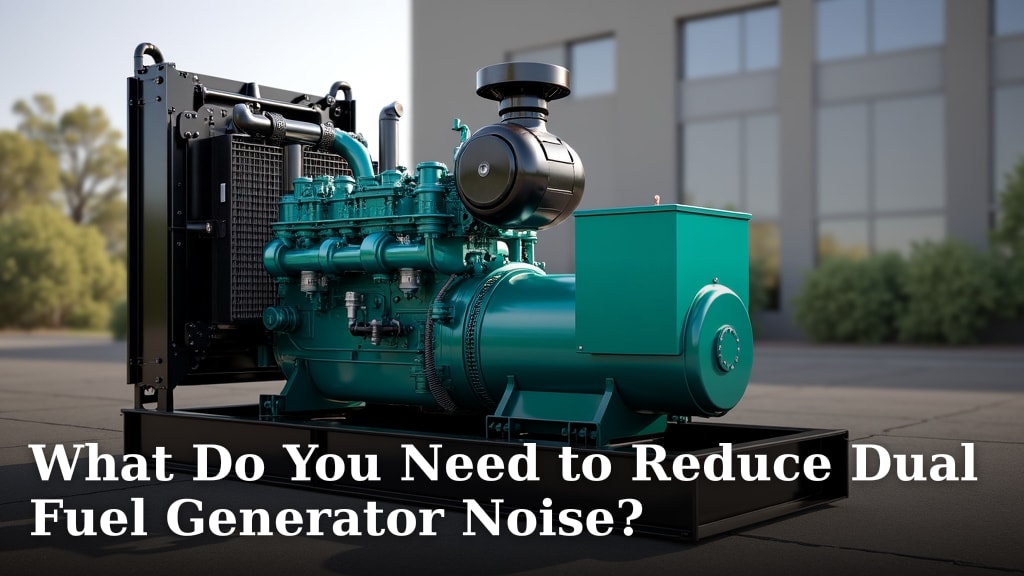
For broader noise sources, see How to Reduce Dual Fuel Generator Noise?. If you want a checklist of practical options, What Do You Need to Reduce Dual Fuel Generator Noise? covers the surrounding setup too.
Can a compatible muffler lower exhaust noise?
A compatible muffler may help reduce exhaust sound, but results depend on the generator and the approved part. A muffler that fits physically isn't necessarily suitable for the engine.
Check the model number and manual before buying or installing an exhaust accessory. Don't drill, alter, or add homemade parts to the muffler or pipe.
If the manufacturer doesn't offer an approved option, focus on other safe noise sources. A loose panel or frame vibration may be fixable without changing the exhaust system.
What can you check when the exhaust gets louder?
Look for a change in the sound and any visible damage, then stop the generator before inspecting it. A sudden rattle, sharp leak-like sound, or increase in volume may signal a fault.
After the unit cools, check for loose fasteners or a damaged muffler only where the manual permits. Don't tighten a hot exhaust or reach near moving parts.
If you notice soot around a joint, a crack, or exhaust escaping where it shouldn't, don't run the generator until the problem is repaired. Exhaust contains carbon monoxide, an odorless gas that can be deadly.
Can you use an exhaust extension or redirect the outlet?
Don't add a homemade extension or redirect the exhaust unless the generator maker approves the setup. An unsuitable pipe can restrict exhaust flow, build heat, or create a leak.
Keep the generator outdoors, away from buildings and openings, and follow the clearances in its manual. Never place it in a garage, shed, or enclosed space to reduce noise.
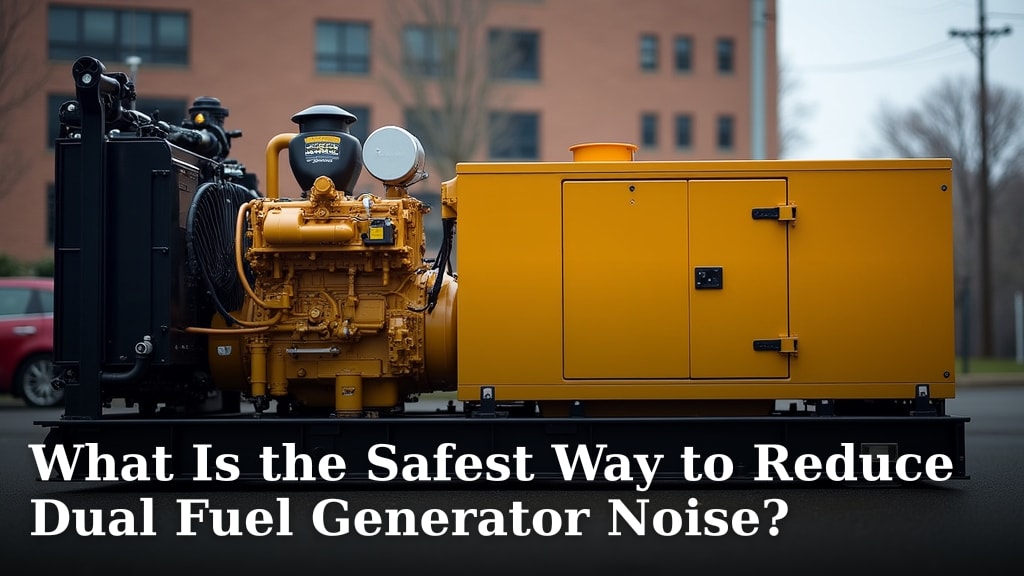
For a broader safety checklist, read What Is the Safest Way to Reduce Dual Fuel Generator Noise?. A sound barrier or enclosure must also preserve the clearance and ventilation the generator requires.
How can you reduce noise without changing the muffler?
Address vibration and placement while leaving the exhaust clear. Set the generator on a firm, level surface and check the manual's location and clearance instructions.
Keep the unit away from reflective walls when the manual allows, since nearby surfaces can make sound seem louder. Don't put it inside a box or cover that restricts cooling air or traps exhaust heat.
A properly installed transfer switch can help you avoid running power cords through doors or windows. The Reliance Controls 31410CRK is a 30 amp transfer switch kit designed for portable generators up to 7,500 maximum running watts.
For an appliance load example, see what a 5000-watt generator can run.
Have a qualified electrician handle installation and confirm the switch suits your generator and electrical system. It doesn't quiet the muffler, but it can support a safer backup-power setup.
What products can support a safer generator setup?
Choose accessories for the job they are designed to do. A power inlet box or transfer switch helps with electrical connections, while a fuel can is for storing and pouring fuel; none is an exhaust silencer.
The Reliance Controls Generators Up PB30 is a 30 amp power inlet box for generators up to 7,500 running watts. Its powder-coated steel housing is designed for outdoor use.
Have the inlet box wired by a qualified electrician, and check compatibility with your transfer switch and generator. It won't reduce exhaust sound.
For planned fuel storage, the No-Spill No Spill 1405 is a 2.5 gallon gasoline can with thumb-button pouring control and an attached dust cover.
Store fuel only in a suitable, approved container and follow local rules and the container instructions. Keep it away from heat and ignition sources, and never refuel a hot or running generator.
When should you stop using a noisy generator?
Stop the generator if the exhaust system looks damaged, leaks, or suddenly changes sound. Let it cool and arrange an inspection before using it again.
Also stop if you smell fuel, see smoke where it shouldn't be, or notice unusual heat around the muffler. Don't try to mask a mechanical problem with insulation or a homemade cover.
If the sound is steady and the exhaust is intact, check whether vibration or placement is contributing. You can also explore a DIY solar generator for some power needs that don't require a fuel-burning generator.
What is the safest way to quiet generator exhaust?
Use a manufacturer-approved muffler for your model, repair faults, and keep the exhaust outlet open. Don't modify the pipe, block airflow, or enclose a running generator.
Pick an approved exhaust accessory only if the maker confirms compatibility. If the generator is suddenly louder or shows signs of damage, stop using it and arrange service; for other noise sources, review how to reduce dual fuel generator noise.
Frequently asked questions
Can you put a quieter muffler on a generator?
Sometimes, but only use a muffler or exhaust accessory that the generator manufacturer approves for your exact model. A mismatched part can affect exhaust flow, heat, engine operation, or warranty coverage.
Check the manual or contact the manufacturer before changing the exhaust system.
Can you wrap a generator muffler to make it quieter?
Don't wrap a generator muffler unless its manufacturer specifically permits that material and method. Wraps can trap heat near components that need cooling and may change how the muffler works.
Keep the exhaust system clear and use only approved parts.
Does a longer exhaust pipe reduce generator noise?
A longer or redirected exhaust pipe can create back pressure, heat, leaks, and carbon monoxide hazards if it isn't designed for the generator. Don't improvise an extension.
Ask the manufacturer about compatible exhaust options, and keep exhaust outdoors and away from openings.
Why is my generator exhaust suddenly louder?
A sudden change can point to a loose connection, damaged muffler, leak, or another mechanical problem. Shut the generator down and let it cool before checking visible parts.
If you see damage, smell fuel, or can't identify the cause, have a qualified technician inspect it.