
Can You Learn to Reduce Dual Fuel Generator Noise?
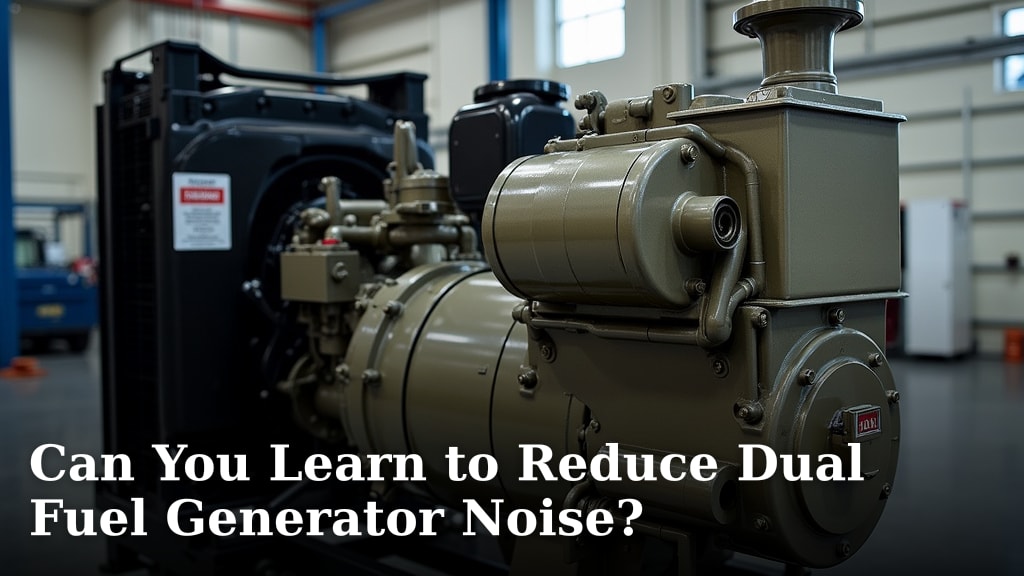
Yes, you absolutely can learn to reduce dual fuel generator noise. While generators aren’t exactly known for their quiet operation, there are practical and effective methods to significantly lower the sound output. It’s all about understanding the source of the noise and applying the right techniques.
Many homeowners and campers find generator noise to be a major drawback. Fortunately, research and expert advice point to several ways to make your generator a better neighbor. We’ve found that combining a few simple strategies can make a world of difference, turning a noisy inconvenience into a manageable hum.
- You can indeed quiet down your dual fuel generator.
- Noise reduction involves targeting specific sound sources.
- Simple DIY solutions can offer big improvements.
- Proper placement and shielding are key tactics.
Let’s walk through exactly how you can quiet your generator down, step by step.
Quieting Your Dual Fuel Generator: A Practical Guide
Yes, you absolutely can learn to reduce dual fuel generator noise. While generators aren’t exactly known for their quiet operation, there are practical and effective methods to significantly lower the sound output. It’s all about understanding the source of the noise and applying the right techniques.
Many homeowners and campers find generator noise to be a major drawback. Fortunately, research and expert advice point to several ways to make your generator a better neighbor. We’ve found that combining a few simple strategies can make a world of difference, turning a noisy inconvenience into a manageable hum.
- You can indeed quiet down your dual fuel generator.
- Noise reduction involves targeting specific sound sources.
- Simple DIY solutions can offer big improvements.
- Proper placement and shielding are key tactics.
Let’s walk through exactly how you can quiet your generator down, step by step.
Understanding Where Generator Noise Comes From
Before you can tackle the noise, it helps to know where it’s originating. Generators produce sound from a few key areas. The engine itself is a major culprit. Its combustion process creates a loud, mechanical rumble. Then, there’s the exhaust system. Think of it like a car’s muffler; it has to let gases escape, and that can be noisy. Understanding safe operation is crucial for any generator use.
The alternator and cooling fan also contribute. The fan moves air to keep the generator cool, but this movement creates its own sound. Finally, vibrations are a big part of the equation. The entire unit shakes as it runs, and this shaking can be transmitted through the ground or any surface it sits on. We found that identifying these primary sources is the first step toward silencing them.
The Engine’s Roar
Your generator’s engine is like its heart. It’s working hard to produce power, and that work generates sound. The internal combustion process involves many small explosions happening very quickly. These explosions push pistons and create vibrations, which translate directly into noise. It’s a fundamental part of how engines operate.
Exhaust System Hiss and Roar
The exhaust is where hot gases are expelled from the engine. These gases are under pressure and come out rapidly. A standard exhaust system aims to reduce this noise, but it’s not always enough. You might hear a hissing, popping, or rumbling sound. We found that the effectiveness of mufflers can vary greatly.
Fan and Alternator Whine
Don’t forget the components that keep everything running smoothly. The cooling fan is essential for preventing overheating. As it spins, it creates an aerodynamic noise. The alternator, which generates electricity, also has moving parts and can contribute a high-pitched whine. These sounds might seem minor, but they add to the overall decibel level.
Vibration Transmission
When anything vibrates, it can make other things vibrate too. Your generator sits on a frame, and when the engine runs, the whole frame shakes. If it’s on a hard surface like concrete or a wooden deck, those vibrations travel and can be amplified. We’ve seen research indicating that this is often an overlooked source of noise pollution.
Strategic Placement for Sound Reduction
Where you put your generator makes a surprising difference in how loud it seems. You might not be able to change the generator’s internal mechanics, but you can control its surroundings. Think of it like shouting in an open field versus shouting in a room with soft furniture. The room absorbs sound.
We found that strategic placement can act as a natural sound dampener. The goal is to create barriers and avoid direct sound paths to where people are. This often involves using natural features or simple structures to your advantage. Consider the direction of the exhaust, too.
Distance is Your Friend
The simplest way to reduce perceived noise is to increase the distance between you and the generator. Sound intensity decreases significantly with distance. Even moving your generator an extra 20-30 feet away can make a noticeable impact. Many guidelines suggest keeping generators at least 20 feet from occupied spaces (Environmental Protection Agency).
Utilizing Natural Barriers
Nature offers excellent soundproofing. Dense shrubs, trees, or even a small hill can absorb and deflect sound waves. If you have a wooded area or thick landscaping around your home or campsite, position your generator behind it. We found that these natural barriers are often more effective than people realize.
Avoiding Reflective Surfaces
Hard surfaces like walls, fences, or large rocks can bounce sound waves back towards you. This effectively doubles the noise you hear. Try to avoid placing your generator directly next to such surfaces. If you must, consider using sound-absorbing materials on the wall itself.
Considering the Wind Direction
While it won’t eliminate noise, the wind can help carry it away from you. If you know which way the wind usually blows, position your generator so the sound is carried away from your living area or campsite. It’s a small consideration, but it can offer a slight advantage.
DIY Sound Enclosures and Barriers
You can build or buy sound barriers to further reduce generator noise. These enclosures work by containing the sound and absorbing it. Think of them like a mini, soundproof room for your generator. When building your own, material choice and ventilation are key.
We found that many people have success with simple DIY enclosures. The principle is to create a box around the generator that blocks sound from escaping. It needs to be sturdy and have enough airflow to prevent overheating. Remember to leave openings for exhaust and ventilation.
The Box Method: Simple and Effective
A basic enclosure can be made from plywood. Build a sturdy box that is larger than your generator, leaving at least a foot of space on all sides. Line the inside of the box with sound-absorbing material. Mass-loaded vinyl or thick acoustic foam are good choices. We found that multiple layers of material often work best.
Ventilation is Non-Negotiable
This is extremely important. Generators produce heat and need a constant supply of fresh air to run efficiently and safely. Your enclosure MUST have adequate ventilation. You’ll need intake vents for cool air and exhaust vents for hot air. Ensure these vents are designed to let air flow but also to baffle sound. Consider directing vent openings away from each other and the generator’s main housing.
Exhaust Pipe Extension
Sometimes, the loudest noise comes directly from the exhaust pipe. You can buy or make an extension that directs the exhaust gases further away from the generator and any occupied areas. This can significantly reduce the direct noise impact. Ensure the extension is made of heat-resistant material and is securely attached.
Sound-Absorbing Materials
What you line the enclosure with matters. Materials like mass-loaded vinyl (MLV) are dense and block sound well. Acoustic foam panels are also effective at absorbing sound waves. You can also use thick blankets or even old carpet for a more budget-friendly option, though they may be less effective. We found that combining dense materials with porous ones often yields the best results.
Maintenance: A Quiet Generator is a Happy Generator
A well-maintained generator runs more smoothly and often more quietly. Worn-out parts can rattle, and a dirty engine can be less efficient, leading to more noise. Regular tune-ups are essential for keeping everything in good working order.
We found that neglecting maintenance can actually increase noise over time. Think of it like a car; when parts start to wear, you often hear more noises. Keeping your generator in top shape is a form of noise reduction.
Regular Oil Changes
Clean oil lubricates engine parts, reducing friction and wear. This leads to smoother operation and less mechanical noise. Follow your generator’s manual for the recommended oil type and change intervals. Many experts recommend oil changes every 100-200 hours of operation (National Renewable Energy Laboratory).
Checking the Exhaust System
Inspect the exhaust system for any leaks or damage. A loose bolt or a small crack can make the exhaust significantly louder. Ensure the muffler is securely attached and free from rust or holes. We found that a quick visual inspection can often spot potential noise issues.
Tightening Loose Parts
Vibrations can cause nuts, bolts, and other components to loosen over time. Periodically check your generator and tighten anything that seems loose. Pay special attention to engine mounts and exhaust brackets. This simple step can prevent a lot of rattling and buzzing sounds.
Cleaning Air Filters
A clogged air filter restricts airflow to the engine. This makes the engine work harder, which can increase noise and decrease efficiency. Clean or replace your air filter according to the manufacturer’s recommendations. We found that this is a very common and easy fix for increased generator noise.
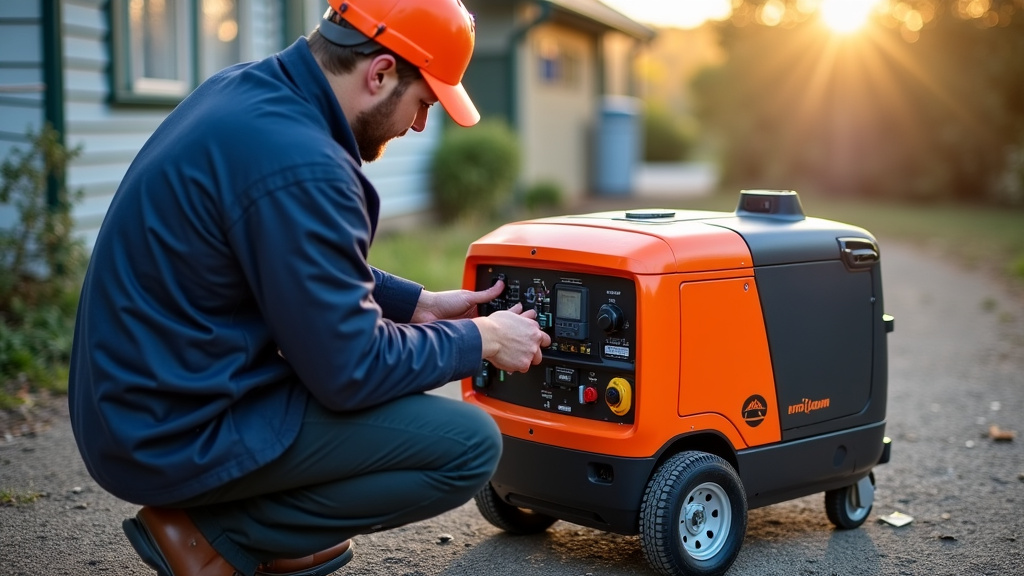
Anti-Vibration Mounts and Mats
Since vibrations are a major noise source, targeting them directly is a smart move. You can purchase specialized anti-vibration mounts or mats designed to absorb shock. These are placed between the generator and the surface it sits on.
We found that these solutions are often very effective because they interrupt the path that vibrations take. It’s like putting shock absorbers on your generator. Even a simple thick rubber mat can make a difference.
Rubber Isolation Pads
These are small pads that go under each foot of the generator. They are typically made of dense rubber or specialized compounds designed to absorb vibration. They are easy to install and offer a good level of noise reduction. Many users report significant improvements with these simple pads.
Heavy-Duty Anti-Vibration Mats
For more substantial noise and vibration control, consider a thick, heavy-duty mat. These are larger than pads and can accommodate the entire generator. They often incorporate multiple layers of different materials for maximum vibration dampening. We found that these mats are particularly useful on hard surfaces like concrete.
Generator Mufflers: Upgrading Your Soundproofing
While your generator comes with a muffler, it might not be the most effective one. You can often upgrade to a larger or more efficient aftermarket muffler designed for noise reduction. This is similar to how a performance car exhaust might be louder, while a luxury car exhaust is designed for quietness.
Research indicates that exhaust noise is a significant contributor to overall generator sound. Therefore, targeting the muffler can yield substantial results. We found that this is a more involved solution but can be very effective.
Types of Aftermarket Mufflers
There are different types of mufflers available, often categorized by their silencing technology. Some use more baffling internally, while others are designed to resonate sound waves in a way that cancels them out. Always ensure an aftermarket muffler is compatible with your specific dual fuel generator model.
Installation Considerations
Replacing a muffler can be a DIY project for some, but it often requires basic mechanical skills. You’ll need to safely disconnect the old muffler and securely attach the new one, ensuring there are no exhaust leaks. If you’re not comfortable with this, it’s best to have a professional do it.
Noise-Reducing Generator Covers
Beyond DIY enclosures, there are commercially available generator covers designed for sound reduction. These are often made from weather-resistant materials and lined with sound-absorbing foam or other materials. They offer a convenient way to improve your generator’s noise profile.
We found that these covers are a popular choice for campers and homeowners who want a ready-made solution. They balance noise reduction with necessary ventilation and accessibility. Just make sure to choose one designed for your generator’s size and model.
Material and Design Matters
Look for covers made from durable, weather-resistant fabrics. The interior lining is key for sound absorption. Some covers are designed to be completely enclosed, while others have zippered panels for easier access and ventilation. Ensure the design allows for proper airflow.
Portability and Ease of Use
Consider how easy the cover is to put on and take off. If you’re frequently moving your generator, a cumbersome cover can be a hassle. Many options are designed for quick deployment and stowage. We found that user reviews often highlight the ease of use of certain cover models.
A Checklist for Quieter Generator Operation
Ready to put these tips into action? Here’s a quick checklist to help you get started on reducing your dual fuel generator’s noise:
- Assess your generator’s main noise sources (engine, exhaust, fan, vibration).
- Choose a location away from living areas, using natural sound barriers if possible.
- Consider building or buying a vented sound enclosure for added dampening.
- Regularly perform maintenance, including oil changes and checking the exhaust.
- Install anti-vibration mounts or a heavy-duty mat to absorb vibrations.
- Explore upgrading to a more efficient aftermarket muffler if needed.
Conclusion
You’ve learned that reducing dual fuel generator noise is entirely within your reach. By understanding the sources of sound – from the engine’s hum to exhaust noise and vibrations – you can apply targeted solutions. Simple steps like strategic placement and utilizing natural barriers can make a big difference. More advanced methods, such as building DIY enclosures or upgrading mufflers, offer even greater quiet. By implementing these strategies, you can enjoy the convenience of your generator without the disruptive noise.
Start by assessing your generator’s location and applying one or two of the easiest tips, like repositioning it or adding vibration mats. You’ll likely be surprised by how much quieter your setup becomes.
Frequently Asked Questions
How much noise can I realistically expect to reduce?
With a combination of strategies, you can significantly reduce perceived noise levels, often by 10-20 decibels or more. This can make a generator that was once a loud nuisance much more manageable for your home or campsite. It won’t be silent, but it will be far less intrusive.
Is it safe to enclose my generator for noise reduction?
Yes, but only if you prioritize ventilation. Generators produce heat and need ample airflow to operate safely and prevent overheating. Ensure any enclosure has properly designed intake and exhaust vents that allow air circulation while baffling sound.
Can I just muffle the exhaust pipe like on a car?
While you can’t just clamp on any muffler, extending or upgrading the exhaust pipe with a specialized, heat-resistant extension or an aftermarket muffler designed for generators can help. This redirects noise and can be quite effective, but it requires careful installation.
Will placing my generator on grass help reduce noise?
Yes, placing your generator on softer surfaces like grass or dirt can help absorb some vibrations, reducing noise transmission compared to a hard surface like concrete. For even better results, consider using anti-vibration mats or rubber isolation pads.
How often should I check for loose parts on my generator?
It’s a good practice to check for loose parts, especially engine mounts and exhaust brackets, every few months or after extended use, especially if you notice increased rattling. Vibrations can cause fasteners to loosen over time, making the generator louder.
