How to Fix Generator Transfer Switch Not Working?
On this page (7 sections)
A generator transfer switch not working can be a real headache, especially when the power goes out. The good news is, you can often fix it yourself by checking a few common issues like tripped breakers, loose connections, or a faulty switch. We found that power surges can also cause problems.
Your transfer switch is the critical link between your generator and your home’s electrical system. When it fails, it means your backup power isn’t getting where it needs to go. We’ve seen many cases where a simple reset or a tightened wire solved the problem, preventing the need for a costly repair. Keeping it in good shape means reliable power when you need it most.
- Check your breakers first.
- Look for loose wires or connections.
- Reset the switch if possible.
- Consider professional help for complex issues.
Let’s walk through the most common reasons your generator transfer switch might not be working and how you can get it back online.
Troubleshooting Your Generator Transfer Switch When It’s Not Working
A generator transfer switch is your home’s superhero during a power outage. It safely switches your home’s power source from the utility grid to your backup generator. When this switch isn’t working, you’re left in the dark. Let’s figure out why and how to get your power flowing again. A generator transfer switch is your home’s superhero during a power outage; learn what it does.
Understanding Why Your Transfer Switch Might Be Offline
Several things can cause your transfer switch to stop doing its job. For more help, see our transfer switch problems guide. We found that tripped breakers are the most common culprit. Think of them as tiny safety guards for your electrical system. If too much power flows, they pop off to prevent damage.
Another frequent issue is simply a loose connection. Wires can wiggle free over time, especially with vibrations from the generator. This breaks the electrical path, preventing power from reaching your home. We also see problems from power surges, which can fry delicate components inside the switch.
The Role of Your Transfer Switch: A Quick Refresher
Before diving into fixes, it’s good to remember what your transfer switch does. It’s not just a simple switch. It’s a safety device. It ensures your generator and the utility grid are never connected at the same time. This prevents dangerous backfeed. Backfeed can harm utility workers trying to fix the grid or even damage your generator and home’s wiring.
When you flip your transfer switch, you’re telling your home to disconnect from the utility power and connect to your generator’s power. If it’s not working, this signal isn’t getting through, or the connection isn’t being made.
Common Fixes You Can Try Yourself
Don’t worry, many transfer switch problems can be fixed with a little patience and a careful approach. We’ve gathered the most common issues and their solutions below. Remember, always prioritize safety. If you’re unsure about anything, it’s best to call a qualified electrician.
Checking and Resetting Tripped Breakers
This is usually the first thing to check. Your transfer switch might have its own set of breakers, or it might be connected to breakers in your main electrical panel. Look for any breaker switches that are in the “off” position or somewhere in the middle between “on” and “off.”
Locating the Breakers
For manual transfer switches, the breakers are often located directly on the switch unit itself. For more help, see our transfer switch breaker checks guide. They might look like standard household breakers. For automatic transfer switches, which are more common with standby generators, the breakers are typically in your main electrical panel or a sub-panel. You might need to consult your generator or transfer switch manual to know exactly where to look.
How to Reset a Breaker
To reset a tripped breaker, you usually need to push it firmly to the “off” position first. Then, push it back to the “on” position. You should feel a distinct click. If the breaker trips again immediately, there’s a more serious problem, like a short circuit or an overloaded circuit. Do not keep resetting it. This could cause further damage.
Inspecting for Loose Wires and Connections
Over time, the constant vibrations from a generator can loosen electrical connections. Loose wires are a major reason why transfer switches stop working correctly. This can happen both at the transfer switch itself and where it connects to your generator and your home’s electrical panel.
Safety First: Turn Off Power!
Before you touch any wires, you absolutely must ensure all power sources are turned off. This means shutting down your generator completely and, if possible, turning off the main breaker to your home. Safety is non-negotiable here. You are dealing with electricity, which can be dangerous.
Visual Inspection Guide
Once you’re sure the power is off, open up the transfer switch cover or panel. Look for any wires that seem loose, disconnected, or burnt. Pay close attention to the screws where the wires are attached. Are they tight? Sometimes, a simple tightening of a loose screw is all it takes. We found that corrosion can also be an issue, making connections poor. If you see any signs of overheating, like melted plastic or discolored wires, stop immediately and call a professional.
Resetting the Transfer Switch Unit
Some transfer switches, especially newer or more complex models, might have a reset button or a procedure. This is similar to how you might reset a computer or a smart device.
Consult Your Manual
The best way to know if your transfer switch has a reset function is to check the owner’s manual. It will detail the specific steps. For some automatic transfer switches, you might need to disconnect the power to the switch for a minute or two, then reconnect it. This can sometimes clear minor electronic glitches.
When to Call in the Professionals
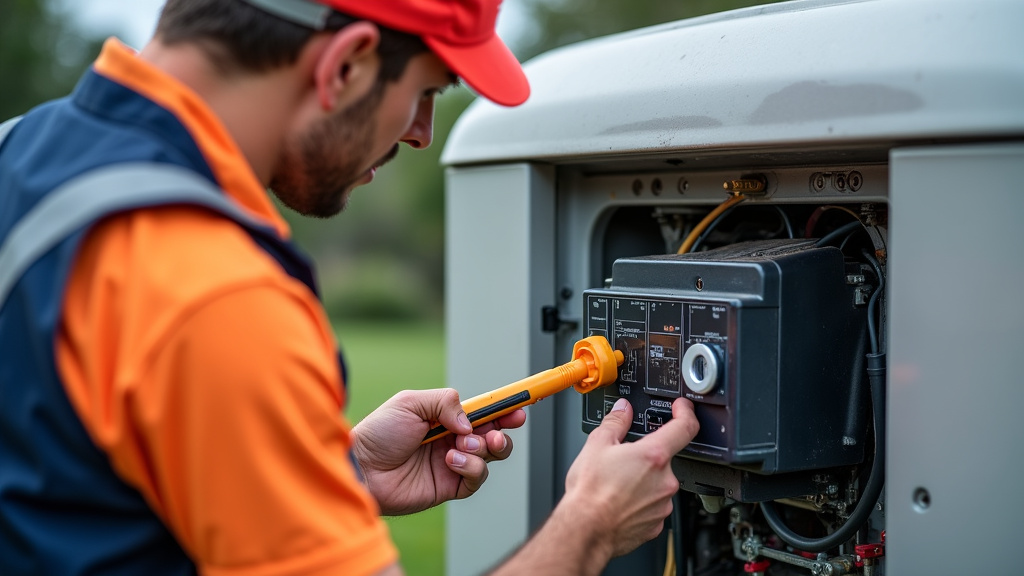
While many issues are simple fixes, some require the expertise of a qualified electrician. If you’ve tried the basic troubleshooting steps and your transfer switch still isn’t working, it’s time to get professional help.
Signs You Need an Electrician
Several indicators point to a problem beyond a DIY fix. If you see sparking or smoking from the switch, this is a clear sign of immediate danger and requires professional attention. Repeatedly tripping breakers, even after resetting them, also suggests a deeper electrical fault.
Another sign is if the transfer switch itself seems physically damaged, or if you hear unusual noises like buzzing or humming. Furthermore, if your generator is running fine but the transfer switch simply won’t engage or allow power to your home after all checks, it might be an internal component failure within the switch. Many experts say that dealing with electrical panels and switches carries a significant risk if you’re not trained.
Choosing a Qualified Electrician
When you call for service, make sure you hire a licensed and insured electrician. It’s ideal if they have specific experience with generators and transfer switches. Ask about their experience and get a clear estimate before they begin any work. They can diagnose complex issues, repair or replace faulty components, and ensure everything is up to code and safe.
Checklist: Quick Steps to Get Your Switch Working
Here’s a quick rundown of what you can check first. Tackle these in order, and always remember safety!
- Check all relevant breakers in your electrical panel and on the switch itself.
- Ensure the generator is running properly and producing power.
- Visually inspect for any loose or damaged wires at the switch and connections.
- Try resetting any tripped breakers by pushing them firmly off, then on.
- If your switch has a reset button or procedure, follow your manual’s instructions.
- If problems persist, call a qualified electrician immediately.
Conclusion
When your generator transfer switch isn’t working, it’s definitely a stressful situation, but you’ve learned that many common issues are within your reach to fix. We’ve seen that checking tripped breakers and ensuring connections are secure are often the simplest solutions. Remember, your transfer switch is vital for safe and reliable backup power. Always put safety first, and don’t hesitate to call a qualified electrician if you’re uncomfortable or if the problem seems beyond a basic fix. Your next step is to be prepared – know where your breakers are and how to check connections safely.
Frequently Asked Questions
What should I do if my transfer switch breaker keeps tripping?
If a breaker trips immediately after you reset it, it indicates a more serious issue. This could be a short circuit or an overloaded circuit. You should stop trying to reset it and call a qualified electrician to diagnose and repair the underlying problem.
Can a power surge damage my transfer switch?
Yes, power surges can definitely damage the delicate internal components of your transfer switch. If you suspect a surge has occurred and your switch isn’t working, it’s best to have it inspected by an electrician. They can check for damage and recommend repairs or replacement.
How often should I test my transfer switch?
It’s a good practice to test your transfer switch and generator every few months, even when there isn’t a power outage. This helps ensure everything is in working order and can help you catch minor issues before they become major problems.
What’s the difference between a manual and an automatic transfer switch?
A manual transfer switch requires you to physically flip a switch to move power from the utility to your generator. An automatic transfer switch does this for you, detecting power outages and starting your generator on its own.
Is it safe to work on my transfer switch myself?
Working with electrical components carries inherent risks. While checking breakers and visually inspecting connections can be done with proper safety precautions (like turning off all power), any internal repairs or complex diagnostics should be handled by a licensed electrician to ensure your safety and prevent further damage.