How to Choose a Generator for a Boat
The best generator for a boat is one that can safely run in its intended location and meet your onboard electrical needs. Check ventilation, outlet and voltage compatibility, total running load, and starting surges before you choose.
On this page (8 sections)
- What makes a generator suitable for a boat?
- How should you compare ventilation and placement?
- How much generator power do onboard loads need?
- Which electrical connections should you check?
- What should you consider about fuel and weight?
- Which portable generators illustrate the trade-offs?
- What questions should you ask before choosing?
- Which generator should you choose for a boat?
The best generator for a boat is one that fits the boat's ventilation and electrical requirements and can handle the loads you plan to run. Start with the generator and boat manuals, then check outlet type, voltage, running watts, starting surges, exhaust direction, and fuel storage.
A portable generator can be useful for power away from shore connections, but its weight and operating requirements matter aboard. A household or RV-ready outlet does not by itself make a generator suitable for marine use.
Before choosing, make a load list and decide where power could be generated safely. For general portable power comparisons, see our Best Portable Dual Fuel Generator For RV Camping guide.
What makes a generator suitable for a boat?
A suitable generator must meet the boat's safety rules and electrical needs at the same time. A high wattage rating cannot make an unsafe location or incompatible connection acceptable.
Portable gasoline and propane generators produce exhaust that can contain carbon monoxide. Do not operate one in a cabin, enclosed compartment, or other place where exhaust can collect; follow the manuals for placement and clearance, and keep exhaust away from people and openings.
Check whether the manufacturer approves the generator for the location and conditions where you intend to use it. A model described as portable, RV ready, or home backup is not automatically approved for marine installation or use aboard.
The boat's electrical system also sets limits. Shore power inlets, transfer equipment, grounding, bonding, and onboard wiring require the right connection method, so have a qualified marine electrician review any plan to connect a generator to the boat's system.
How should you compare ventilation and placement?
Choose placement based on the generator's exhaust path, fresh-air supply, and the boat's operating environment. Keep it out of enclosed spaces and follow the specific clearances and operating instructions in both manuals.
Do not assume a cockpit, swim platform, or storage locker is safe simply because it is outdoors or partly open. Wind, canvas, nearby cabin openings, and the boat's shape can affect where exhaust travels.
Use working carbon monoxide alarms in the areas recommended for the boat. Alarms add a layer of warning, but they do not make unsafe generator placement safe.
Also consider how the unit will sit and stay secure while the boat moves. A generator's wheel kit can help move it on land, but it does not mean the unit can be safely carried, stored, or operated on a moving boat.
How much generator power do onboard loads need?
Choose capacity by the devices you need to run together, including the brief surge some appliances draw when starting. Add running watts for the planned combination, then compare starting requirements with the generator's peak output.
List appliances and electrical equipment you may use at once, such as refrigeration, lighting, chargers, or cooking equipment. Use the labels or manuals for their power needs; do not estimate a device's load from its size or name alone.
| Check | What to compare |
|---|---|
| Running power | Combined watts for the devices used at the same time |
| Starting surge | Highest brief startup demand from motors or compressors |
| Voltage | Device and boat system requirements |
| Current | Amps supported by the intended circuit and connection |
| Outlet | Plug type and a manufacturer-approved way to connect |
| Operating time | Expected duration, fuel supply, and safe refueling plan |
A generator may have enough total wattage yet lack the correct voltage or outlet for your intended equipment. Avoid adapters or wiring changes that bypass a manufacturer's instructions or marine electrical requirements.
Which electrical connections should you check?
Confirm voltage, current, outlet type, and connection method before selecting a generator. Match them to the boat's equipment and have a marine electrician check any connection to onboard wiring.
A household duplex outlet may suit individual compatible devices, but it does not replace a shore power inlet or a properly installed transfer arrangement. An RV outlet is also not a marine certification or permission to connect directly to a boat.
Never backfeed a boat circuit through an improvised cord or adapter. A qualified marine electrician can specify the right inlet, switching, grounding, and protection for the boat and generator combination.
If you need portable power for a land-based trip instead, our Best Portable Dual Fuel Generator For Tailgating guide compares options for tailgating needs. For camping trips, compare diesel generators for camping when fuel type matters.
What should you consider about fuel and weight?
Choose fuel based on safe storage, handling, and the generator's approved use. Gasoline and propane both need care, and a dual-fuel option does not remove the need to follow boat rules.
Check where fuel can be stored and how it must be secured and ventilated. Keep fuel away from heat, ignition sources, and living areas, and follow the boat's manual and applicable safety rules.
Weight matters when moving a generator between a dock and the boat, or securing it for transport. The 3 models below weigh about 105 lb each, so plan handling and stowage before purchase.
Which portable generators illustrate the trade-offs?
These 3 models show different outlet, fuel, and output combinations to compare against your needs. None is presented as marine-rated or approved for onboard operation, so verify intended use with the manufacturer and a marine electrician.
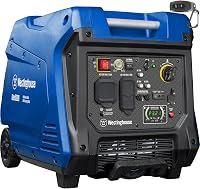
The Westinghouse 5000 Peak Watt Super Quiet Portable has 3900 rated watts and 5000 peak watts. For similar output aimed at RV use, compare 4000-watt generators for RVs.
Its 120V outlets include a household duplex receptacle, an RV-ready TT-30R outlet, and 2 USB outlets.
It runs on gasoline and weighs 104.7 lb. Its outlet set and weight may help you compare individual loads, but the RV-ready outlet does not confirm compatibility with a boat's shore power system.
The WEN DF475T supplies 3800 running watts on gasoline or 3500 on propane, with higher surge ratings for each fuel. It has two 120V GFCI outlets and a 120V/240V L14-30R outlet.
It weighs 105.8 lb and includes a wheel and handle kit. Check whether its voltage and outlets match your intended equipment, and confirm fuel storage and placement rules before considering it for boat use.
The Westinghouse 12500 Watt Dual Fuel Home Backup provides 9500 running watts on gasoline or 8500 on propane. For RVs needing a 50A connection and quieter operation, compare quiet generators for 50-amp RVs.
It has 120V household outlets, a 120V L14-30R outlet, and a 120/240V 14-50R outlet.
It weighs 230 lb and uses gasoline or propane. Its output and size make it especially important to check handling, safe placement, fuel storage, and electrical compatibility instead of assuming a home-backup setup will work aboard.
What questions should you ask before choosing?
Use a short checklist to confirm the generator can meet your needs without relying on assumptions about marine use.
- Does the generator manual allow the intended operating location and conditions?
- Can exhaust disperse safely, away from people and openings?
- Do the generator's voltage, current, and outlet match the intended devices or approved connection?
- Have you counted both running demand and starting surges?
- Can you safely move, secure, store, and refuel the generator?
- Has a qualified marine electrician approved any connection to onboard wiring?
If you cannot answer one of these questions, pause the purchase decision and check the manuals or ask a qualified professional. Choosing a smaller load or using shore power may be a better fit than forcing an incompatible setup.
Which generator should you choose for a boat?
Choose a generator only after confirming safe placement, compatible electrical connections, and enough capacity for your actual loads. Pick a smaller portable unit for compatible individual devices when its use is approved; consider higher output only when your load plan and installation support it.
The Westinghouse 5000 offers a 120V household outlet and an RV-ready outlet, the WEN adds selectable 120V/240V operation and dual fuel, and the Westinghouse 12500 provides higher output with more weight. Compare each against your boat's manuals and electrical plan before deciding.
For broader trip planning, compare the Best Portable Dual Fuel Generator For RV Camping guide with your onboard power needs, then ask a marine electrician to verify any boat connection.
Frequently asked questions
What generator is best for boats?
The best generator for a boat is one suited to its installation and electrical system, with enough capacity for the loads you plan to run. Check the boat and generator manuals for approved placement, ventilation, grounding, exhaust, and connection rules before buying or operating any portable generator aboard.
Can you use a portable generator on a boat?
A portable generator may be unsuitable for some onboard locations because exhaust contains carbon monoxide and enclosed or partly enclosed areas can trap it. Follow the boat and generator manuals, keep exhaust away from people and openings, and use carbon monoxide alarms.
Never run a fuel-powered generator inside a cabin or enclosed space.
How do I size a generator for a boat?
List each device you may run at the same time, then add its running watts and account for the highest starting surge. Confirm the generator can supply the needed voltage and current through compatible outlets or an approved connection.
Ask a marine electrician to review the plan if you are unsure.
Is a dual-fuel generator a good choice for a boat?
Dual fuel gives you a choice between gasoline and propane, but both fuels need safe, approved storage and handling. Compare the generator's outlets and output with your boat's needs, and check its manual and the boat's rules before bringing either fuel aboard or operating the unit.