
Can You Learn to Connect a Dual Fuel Generator to a House?
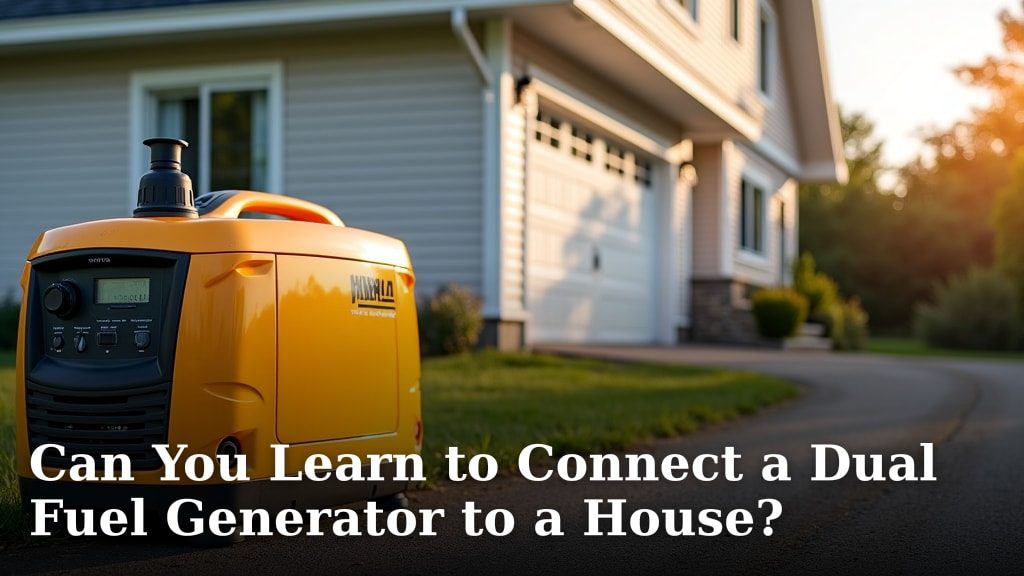
Yes, you absolutely can learn to connect a dual fuel generator to a house, but it requires careful planning and the right equipment. You’ll need to understand the electrical requirements and safety measures involved to do it correctly and safely.
Connecting any generator to your home’s electrical system is a serious task. We found that it often involves more than just plugging it in. You’ll want to ensure you follow all local electrical codes and use the appropriate connection methods to protect yourself and your home from power surges or electrical backfeed.
- Safely connecting a dual fuel generator to your house is possible.
- You’ll need specific equipment like a transfer switch.
- Understanding electrical safety and local codes is vital.
- Professional help might be needed for installation.
- Never backfeed power into the utility grid.
Ready to get started? Let’s walk through exactly what you need to know to safely connect your dual fuel generator.
Connecting a Dual Fuel Generator to Your Home: What You Need to Know
You’re looking to connect your dual fuel generator to your home. This is a smart move for backup power. It can keep your lights on and your fridge cold during an outage. We found that doing it right protects your home and keeps you safe.
The main goal is to connect your generator without sending power back to the utility grid. This “backfeeding” is extremely dangerous. It can injure or even kill utility workers. That’s why safety and proper equipment are key.
Understanding Generator Connection Methods
There are a few ways to connect your generator to your home. Each method has its own benefits and requirements. We’ll explore the most common and safest options for you.
Direct Connection via Extension Cords (Limited Use)
This is the simplest method, but it has big limits. You use heavy-duty extension cords to power individual appliances. Think lamps, a refrigerator, or a fan. It’s not for your whole house.
You can’t power your furnace or central air this way. You also can’t connect it to your home’s main electrical panel. We found this method is best for very temporary power needs. Make sure your cords are rated for outdoor use and the appliance’s wattage.
Manual Transfer Switch: The Most Common Solution
A manual transfer switch is what most homeowners use. It’s a special device installed by a licensed electrician. This switch lets you safely choose between utility power and generator power. It’s a simple, physical switch. You can only be on one source at a time.
When the power goes out, you start your generator. Then, you flip the switch to “generator” mode. This disconnects your house from the utility grid. It prevents backfeeding. When power returns, you flip it back to “utility.” Many experts recommend this method for its safety and reliability (National Electrical Code).
Automatic Transfer Switch (ATS): Convenience and Cost
An automatic transfer switch (ATS) is similar to a manual one. The big difference? It detects power outages automatically. When the utility power fails, the ATS starts your generator. Then, it switches your home to generator power. All on its own!
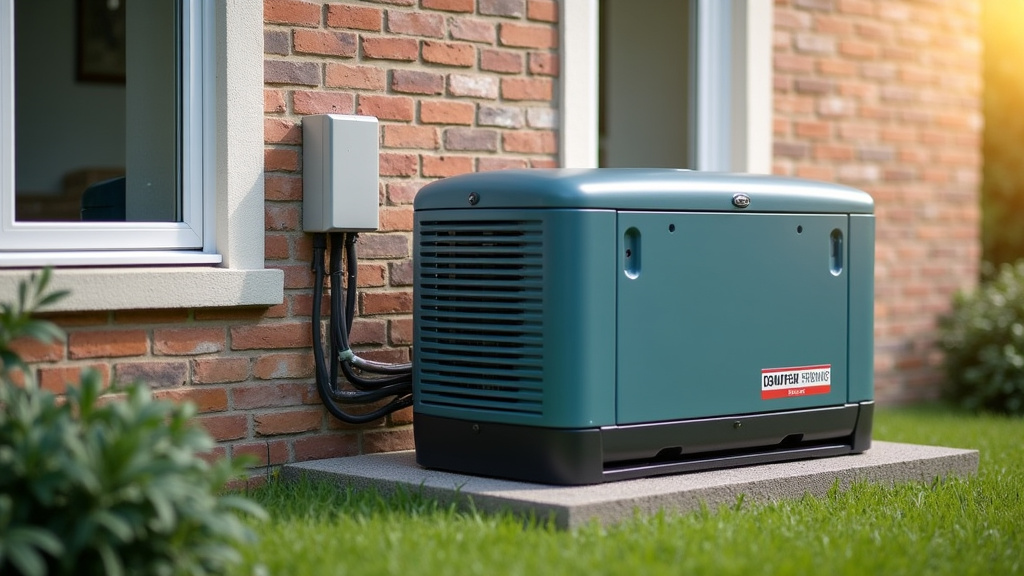
When utility power comes back, the ATS switches back. It then shuts down your generator. This offers incredible convenience. However, an ATS is more complex and costs more to install. It’s often paired with larger, whole-home standby generators, but some portable generators can use them too.
Essential Equipment You’ll Need
Beyond the generator itself, you’ll need a few other important items. These ensure a safe and effective connection. Think of them as your safety net.
- Transfer Switch: As discussed, this is critical for safe connection.
- Inlet Box: This is an outdoor receptacle. You plug your generator into it.
- Generator Cord: A heavy-duty, outdoor-rated cord connects your generator to the inlet box. It needs the right amperage.
- Grounding Rod Kit: Most generators need proper grounding. This protects against electrical shock.
- Carbon Monoxide Detector: Generators produce carbon monoxide. This gas is invisible and deadly. Always place detectors in your home.
Understanding Your Generator’s Power Output
Before connecting, you need to know your generator’s capacity. How many watts can it produce? This determines what appliances you can power. Overloading your generator can damage it. It can also trip breakers.
We suggest you list all the items you want to power during an outage. Look at their starting wattage and running wattage. Many appliances use more power to start up. Add these up. Make sure your generator can handle the total. You don’t want surprises when the power goes out.
Step-by-Step Guide: Connecting Your Dual Fuel Generator (General Overview)
Connecting your generator isn’t a “plug and play” situation. It involves careful steps. Here’s a general idea of the process. Remember, a licensed electrician should do the actual wiring.
- Choose Your Connection Method: Decide between a manual or automatic transfer switch.
- Select an Inlet Box Location: It should be outside, near your generator’s planned spot. Keep it away from windows and doors to avoid carbon monoxide entering your home.
- Install the Transfer Switch: A qualified electrician will install the transfer switch. This involves wiring it into your main electrical panel.
- Connect the Inlet Box: The electrician will also wire the inlet box to the transfer switch.
- Ground Your Generator: Follow your generator’s manual for proper grounding. This usually involves a grounding rod.
- Generator Placement: Always run your generator outdoors. Keep it at least 20 feet from your home. Direct its exhaust away from all buildings.
Safety First: What You Absolutely Must Know
We can’t stress this enough: safety is paramount. Working with electricity and generators can be dangerous. We found that most generator-related accidents are preventable. Please pay close attention to these guidelines.
- Never Backfeed: This is the golden rule. Never plug your generator directly into a wall outlet in your home. This sends electricity back into the power lines. It’s illegal and deadly.
- Avoid Carbon Monoxide Poisoning: Generators produce carbon monoxide. It’s odorless and invisible. Always run generators outdoors. Keep them far from windows, doors, and vents. Install CO detectors in your home.
- Proper Grounding: Ensure your generator is properly grounded. This reduces the risk of electric shock. Check your generator’s manual for specific instructions.
- Dry Conditions Only: Never operate a generator in rain or wet conditions. Keep it under an open, canopy-like structure if needed, but ensure plenty of ventilation.
- Fuel Safety: Store fuel in approved containers. Keep it away from living areas and heat sources. Never refuel a hot generator.
- Use Proper Cords: Only use heavy-duty, outdoor-rated extension cords or generator cords. Make sure they are rated for the load.
Why You Might Need a Licensed Electrician
While you can “learn” about connecting a generator, the actual wiring is often best left to professionals. Here’s why:
- Code Compliance: Electricians know local electrical codes. They ensure your installation meets all safety standards.
- Safety Expertise: They understand complex wiring. They prevent dangerous situations like backfeeding.
- Proper Sizing: An electrician can help you properly size your transfer switch and wiring. This matches your generator’s output.
- Warranty Protection: Improper installation can void your generator’s warranty. Professional installation often prevents this.
We found that investing in professional installation is an investment in your safety and peace of mind. It ensures everything is done correctly the first time.
Checklist for Generator Connection Success
Use this quick checklist to make sure you’re on the right track. It helps you organize your thoughts and actions.
- ✅ Researched local electrical codes for generator connections.
- ✅ Selected the right transfer switch type for your needs.
- ✅ Determined your generator’s wattage capacity versus your power needs.
- ✅ Purchased essential equipment (inlet box, proper cords, CO detectors).
- ✅ Located a safe, well-ventilated spot for generator operation (20+ feet from home).
- ✅ Scheduled a licensed electrician for installation of the transfer switch.
Dual Fuel Generator Specifics
Since you have a dual fuel generator, you have extra flexibility. These units can run on gasoline or propane. This is a big advantage during extended outages.
Consider the availability of both fuel types in your area. Propane stores well for long periods. Gasoline needs stabilizers if stored. Plan your fuel storage accordingly. We found that having both options can really extend your run time.
| Fuel Type | Pros | Cons |
|---|---|---|
| Gasoline | Easy to find, high energy density. | Shorter shelf life, more flammable fumes. |
| Propane | Long shelf life, cleaner burning, safer storage. | Lower energy density, requires larger tanks. |
Having options means you’re more prepared. It gives you a backup to your backup. This is a key benefit of your dual fuel unit.
Conclusion
You’ve now seen that connecting a dual fuel generator to your home is absolutely within reach, provided you prioritize safety and proper methods. We’ve walked through the essential equipment, the critical role of a transfer switch, and the non-negotiable safety rules. Remember, understanding your generator’s capabilities and respecting electricity’s power will keep your family and home safe.
Your next step should be to contact a licensed electrician. They will ensure your setup meets all local codes and provide the professional installation needed for true peace of mind. Get ready to power through any outage with confidence!
Frequently Asked Questions
Is a dual fuel generator harder to connect than a regular gasoline generator?
No, the connection process itself is essentially the same for dual fuel versus single-fuel generators. The differences lie in managing the fuel types. You’ll still use a transfer switch and inlet box for safe home integration, regardless of the fuel source.
Can I install a transfer switch myself to save money?
We strongly advise against installing a transfer switch yourself unless you are a licensed electrician. This task involves wiring into your home’s main electrical panel. Improper installation can be extremely dangerous and risks fire or electrocution.
How far from my house should I place my dual fuel generator?
For safety, you should always place your generator at least 20 feet away from your home. Direct its exhaust away from all buildings, windows, and doors. This minimizes the risk of dangerous carbon monoxide entering your living spaces.
Do I need a special type of transfer switch for a dual fuel generator?
No, the type of transfer switch you need is determined by your home’s electrical system and your generator’s power output. It does not depend on whether your generator uses gasoline, propane, or both. The switch manages the electricity, not the fuel.
What’s the biggest mistake people make when connecting a generator to their house?
The biggest and most dangerous mistake is “backfeeding.” This means plugging the generator directly into a wall outlet. This sends electricity back into the utility grid, which can injure or kill utility workers and damage your home’s electrical system.
