
What Product Helps with Generator Tripping the Circuit Breaker?
When your generator keeps tripping the circuit breaker, the primary product that helps is typically a transfer switch. This device safely connects your generator to your home’s electrical panel, preventing overloads and dangerous backfeeding. A properly sized and installed transfer switch is key to managing generator power without tripping breakers.
Tripping breakers can happen for many reasons. It might be due to an overloaded circuit or a faulty appliance. Sometimes, the generator itself might not be powerful enough for the load. Understanding these issues is important for safe generator use and preventing damage.
- Transfer switches are your best bet.
- They prevent overloads and backfeeding.
- Check appliance wattage carefully.
- Ensure your generator has enough power.
- Regular maintenance is vital.
Let’s dive into the specific products and simple checks that can stop your generator from tripping that breaker so you can get the power back on.
Finding the Right Solution for Generator Circuit Breaker Issues
When your generator circuit breaker trips, it’s a sign something’s not quite right. The main product designed to prevent this common problem is a transfer switch. It’s your home’s safe gateway for generator power. Without one, you’re essentially jury-rigging a connection, which can lead to tripped breakers, damaged appliances, or worse, dangerous electrical feedback. A transfer switch acts as a professional intermediary, ensuring a stable and safe power flow.
Understanding Why Your Breaker Trips
Before we talk products, let’s figure out why that breaker is constantly tripping. It’s usually one of a few common culprits. Knowing the root cause helps you choose the right fix and avoid future headaches. Think of it like a doctor diagnosing an illness before prescribing medicine. A tripped breaker isn’t just an annoyance; it’s your electrical system’s way of saying “Stop! Danger!”
Overloaded Circuits: Too Much Demand
This is the most frequent reason for tripped breakers, whether from your generator or the utility grid. Each circuit in your home is designed to handle a specific amount of electricity. When you plug in too many high-demand appliances, you ask that circuit to do more than it can safely manage. The breaker acts as a safety valve, shutting off power to prevent overheating and potential fires. Your generator has limits too. If the total wattage of your running appliances exceeds your generator’s capacity, it will trip its own breaker or overload your home’s circuits.
Calculating Your Wattage Needs
To avoid overloading, you need to understand wattage. Appliances have two power ratings: running watts and starting watts. Starting watts are higher; this is the power surge needed to kick an appliance on, especially those with motors (like refrigerators or power tools). Running watts are what they consume continuously. You need to sum the running watts of everything you plan to power. Then, identify the appliance with the highest starting watts and add that to your total. Ensure your generator’s maximum output comfortably exceeds this combined figure. Many household appliances list their wattage on a sticker or in the manual.
Faulty Appliances or Cords
Sometimes, the problem isn’t the generator or the circuit load, but an appliance itself. A short circuit within an appliance or a damaged power cord can draw excessive current, triggering the breaker instantly. This is a serious safety hazard. If a breaker trips immediately when you plug in a specific item, and it happens on multiple different circuits, that item is likely the culprit. Inspect power cords for any fraying, cuts, or exposed wires. If you find damage, discard the appliance safely and replace it. Never try to repair damaged cords yourself; it’s a fire risk.
Generator Maintenance and Condition
Like any machine, generators need regular care. Over time, components can wear out or become dirty, affecting their performance. A poorly maintained generator might not deliver power consistently, leading to fluctuations that can trip breakers. This includes checking the This includes checking the oil levels, air filters, and spark plugs.oil levels, air filters, and spark plugs. If your generator is old or has been stored for a long time, it might be less reliable. Experts suggest running your generator periodically, even when there’s no power outage, to keep it in good working order (Generator Ace Magazine).
The Role of the Transfer Switch: Your Power Manager
Now, let’s talk about the product that truly solves many generator tripping issues: the transfer switch. This device is absolutely essential for safely connecting your generator to your home’s electrical system. It’s not just about convenience; it’s a critical safety component. Without it, you’re potentially creating dangerous situations.
What Exactly is a Transfer Switch?
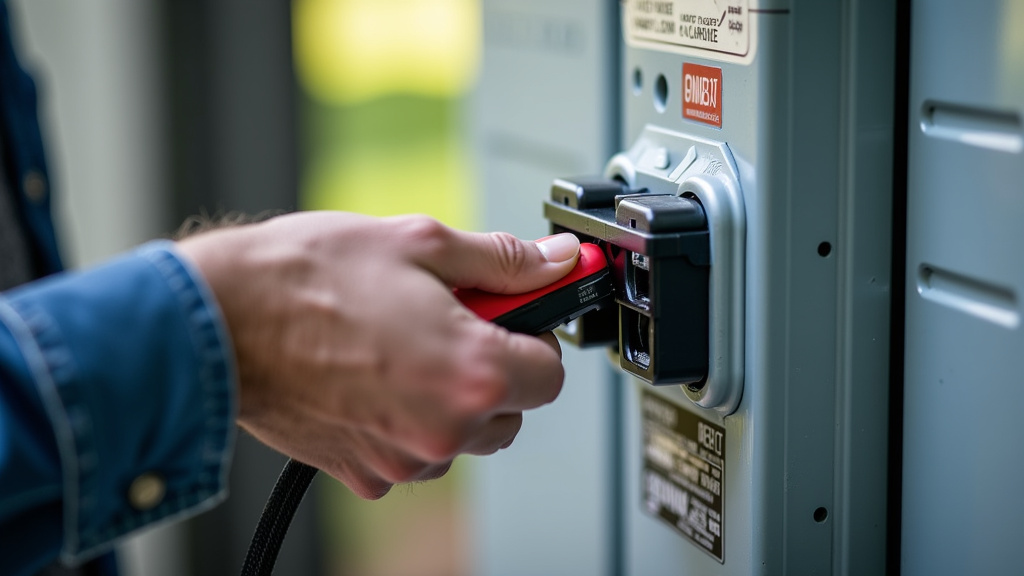
A transfer switch is an electrical device that safely switches your home’s power source from the utility grid to your generator. It has a set of inputs for your utility power, your generator power, and your home’s electrical panel. When you flip the switch (or it automatically detects a power outage), it disconnects your home from the utility line before connecting it to the generator. This prevents two major problems.
Preventing Dangerous Backfeeding
One of the biggest dangers of improperly connecting a generator is backfeeding. This happens when generator power is sent back into the utility lines. It’s incredibly dangerous for utility workers trying to restore power, as they might not realize the line is live. It can also damage your generator and your home’s wiring. A transfer switch is built to prevent this. By its very design, it creates a physical break between the utility and generator circuits, ensuring only one source powers your home at a time. This is why the National Electrical Code (NEC) requires them for permanently installed generators (NFPA).
Managing Power Load Effectively
Transfer switches are also designed to help you manage your generator’s load more effectively. They come in different types, from manual switches you operate yourself to automatic switches that sense outages and start your generator. Some more advanced transfer switches can even help you prioritize which circuits get power, ensuring you don’t overload the generator by trying to power your entire house at once. This built-in load management is a key reason why they help prevent breaker trips.
Types of Transfer Switches
Not all transfer switches are created equal. The choice often depends on your needs and generator setup. They generally fall into two main categories:
Manual Transfer Switches
These require you to manually flip switches to change power sources. They are typically less expensive than automatic models. You’ll need to be home to operate the switch when the power goes out and when it comes back on. They are usually installed near your main electrical panel. We found many homeowners opt for these for portable generators to keep costs down while ensuring safety.
Automatic Transfer Switches (ATS)
These are more sophisticated and often paired with standby generators. An ATS constantly monitors utility power. When an outage is detected, it signals the generator to start and then automatically switches your home’s power source. When utility power is restored, it switches back and shuts down the generator. This provides uninterrupted power and requires no manual intervention.
Choosing the Right Size Generator for Your Needs
Even with a transfer switch, if your generator is simply too small for the appliances you need to run, you’ll still face tripped breakers. It’s like trying to fill a bathtub with a teacup; it’s just not going to work efficiently. You need a generator with enough *continuous* wattage to handle your essential appliances. Consider what you absolutely need during an outage: refrigerator, lights, medical equipment, a sump pump, maybe a microwave. Add up their running wattages. Then, add the highest starting wattage of any motor-driven appliance you might use. Make sure your generator’s maximum output significantly exceeds this total.
A table comparing common appliances and their typical wattage can be very helpful here. Keep in mind these are estimates; always check the specific appliance label.
| Appliance | Typical Running Watts | Typical Starting Watts |
|---|---|---|
| Refrigerator | 150-200 | 700-900 |
| Window Air Conditioner (5000 BTU) | 500-750 | 1000-1500 |
| Sump Pump (1/3 HP) | 800-1000 | 1400-1600 |
| Microwave (700W) | 700-1200 | N/A (no motor) |
| Lights (LED bulb) | 5-10 | N/A |
| Electric Heater (1500W) | 1500 | N/A |
Quick Checklist for Generator Breaker Issues
Before you call a professional, or if you’re just trying to troubleshoot, run through this quick list. It covers the most common causes and simple fixes:
- Check Generator Wattage: Ensure your generator’s output exceeds the total running and starting watts of appliances you’re trying to power.
- Inspect Appliances: Unplug appliances one by one. If a specific appliance consistently trips the breaker, it might be faulty.
- Examine Power Cords: Look for any damage to cords connecting appliances to the generator or outlets.
- Verify Transfer Switch Function: If you have one, confirm it’s correctly installed and functioning, ensuring no backfeeding or direct overload.
- Test Generator Itself: Run the generator with minimal load to see if it trips its own internal breaker.
Conclusion
When your generator’s circuit breaker keeps tripping, it’s usually a sign you need a transfer switch. This device is your primary tool for safely connecting your generator to your home’s electrical system, preventing dangerous overloads and backfeeding. Remember to also check your appliance wattages and ensure your generator is properly sized for the load. Regular maintenance of your generator is also key to reliable power. If you’re experiencing frequent trips, installing a transfer switch is the most effective product solution.
Take the next step by consulting with a qualified electrician to determine the right type and size of transfer switch for your home setup.
Frequently Asked Questions
What’s the most common reason a generator trips a breaker?
The most common reason for a generator tripping a breaker is an overloaded circuit. This happens when you try to power too many appliances, or appliances that draw more power than your generator can safely supply. Always check the total running and starting watts needed by your devices.
Can I just plug my generator into a regular wall outlet?
No, you should never plug your generator directly into a standard household outlet or receptacle. This is called backfeeding and is extremely dangerous. It can electrocute utility workers and damage your generator and home wiring. A transfer switch is the safe and proper way to connect.
How do I know if an appliance is causing my generator to trip the breaker?
You can identify a faulty appliance by unplugging them one by one. If the breaker trips immediately after plugging in a specific appliance, and it happens consistently on different circuits or with different connection methods, that appliance is likely the culprit. Look for damaged cords or signs of internal shorts.
What’s the difference between a manual and automatic transfer switch?
A manual transfer switch requires you to physically flip a switch to change from utility power to generator power. An automatic transfer switch (ATS), often used with standby generators, senses a power outage and automatically starts the generator and switches the power source without any user intervention.
Do I need a transfer switch if I’m only powering a few essential items with a small generator?
Even with a small generator and few items, a transfer switch is highly recommended for safety. It ensures you’re not backfeeding power into the grid and provides a controlled connection point. For portable generators, a manual transfer switch is often a cost-effective and safe solution to prevent breaker trips and electrical hazards.
