
Why Is My Generator Starting Then Shutting Off?
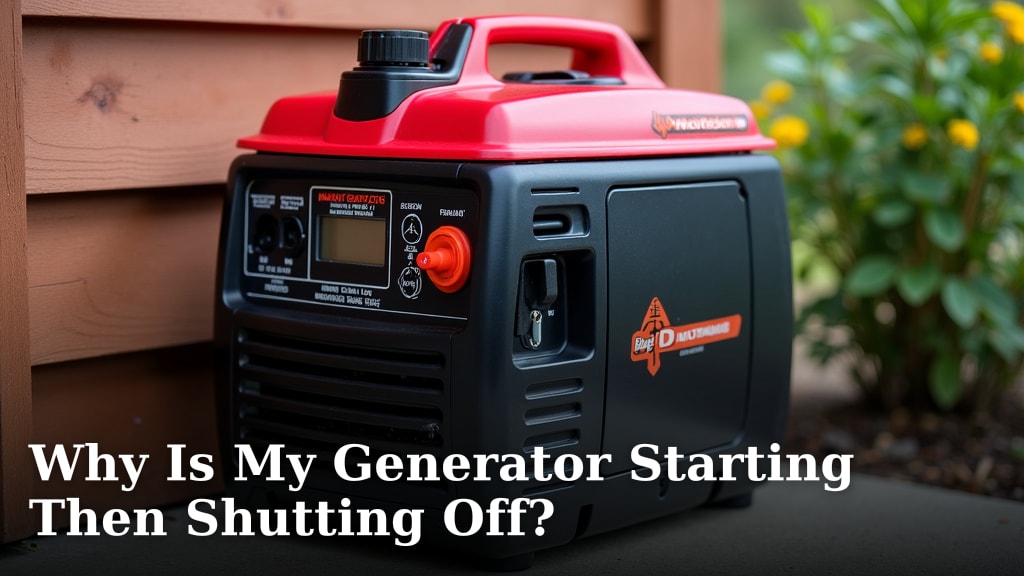
Your generator is starting then shutting off, often due to a lack of fuel, a dirty carburetor, or a faulty spark plug. These issues prevent your generator from consistently producing power. It’s a common problem for many generator owners.
You rely on your generator for peace of mind and power, right? When it acts up, it leaves you wondering what went wrong. We found that most problems are easily fixed, but knowing where to start your troubleshooting can be tricky. Don’t worry, we’re here to help.
- Check fuel levels and quality.
- Inspect the air filter for blockages.
- Clean or replace the spark plug.
- Look for carburetor clogs.
- Assess oil levels and pressure switch.
Let’s walk through the most common reasons why your generator might be giving you trouble and how you can get it running smoothly again.
What Makes a Generator Start and Then Turn Off?
Often, your generator starts fine but quickly shuts down because of a supply problem – something isn’t reaching the engine or it’s being blocked. It’s like a car running out of gas right after you start it. Let’s break down the most common culprits so you can get your power back.
Fuel System Issues
The fuel system is often the first place to look. If your generator isn’t getting a steady supply of clean, fresh fuel, it won’t stay running. It’s like trying to drink from a straw that’s clogged or doesn’t reach the bottom of the glass.
Low or Stale Fuel
Is your fuel tank actually full? Sometimes, the fuel indicator can be misleading, or you might simply have less fuel than you thought. A common issue we found is people forgetting to top off the tank after a previous use. Check the fuel level first.
Beyond that, stale fuel is a major problem for small engines. Gasoline degrades over time, especially when sitting in a tank. It can turn gummy, leave deposits, and lose its ability to ignite properly. This often happens if your generator has been stored for months without a fuel stabilizer (Environmental Protection Agency).
- Always use fresh fuel.
- Add a fuel stabilizer if storing for more than 30 days.
- Completely drain old fuel before adding new.
Clogged Fuel Filter
Your generator has a fuel filter designed to catch dirt and debris before it reaches the carburetor. If this filter gets clogged, it restricts the fuel flow. Imagine trying to breathe through a stuffed-up nose – not much air gets through, right?
A restricted fuel filter means the engine starves for fuel, causing it to start, use the residual fuel, and then shut down. We recommend checking and replacing your fuel filter annually, or more often if you use your generator frequently or with older fuel.
Blocked Fuel Line or Petcock
A less common, but still possible, issue is a blockage in the fuel line itself or a closed petcock valve. The petcock is a small valve near the fuel tank that you open to allow fuel to flow to the engine. Did you remember to turn it ON?
Debris can sometimes get into the fuel line, creating a partial or complete blockage. You can usually inspect the fuel line visually for kinks or cracks. A simple check often involves carefully disconnecting the line and seeing if fuel flows freely (into a safe container, of course).
Ignition System Problems
Even with good fuel, your generator needs a reliable spark to keep running. The ignition system is responsible for creating that spark. Think of it as the match that lights the fire.
Faulty or Dirty Spark Plug
A dirty or worn-out spark plug is a frequent offender. If the electrodes are covered in carbon deposits, oil, or are simply too old, they can’t produce a strong, consistent spark. This leads to inefficient combustion, causing the engine to stumble and die.
When you pull the spark plug, look for excessive black carbon (too rich fuel mixture), white deposits (too lean), or oil fouling. You can often clean a dirty plug with a wire brush, but replacing it is usually best. Always make sure the gap is set correctly according to your generator’s manual.
Airflow and Carburetion Blockages
Engines need a precise mix of air and fuel to run correctly. If either is out of whack, your generator will protest by shutting down. It’s like trying to bake a cake with too much flour or not enough sugar – the recipe’s balance is off.
Clogged Air Filter
An engine needs to “breathe.” If the air filter is severely clogged with dust, dirt, or debris, it chokes the engine. Not enough air gets in, creating an overly rich fuel-to-air mixture. This can cause the engine to sputter, run poorly, and eventually shut down.
Most air filters are easy to access and can be cleaned or replaced. We recommend checking your air filter regularly, especially if you operate your generator in dusty conditions. A quick visual inspection can often tell you if it’s time for a change.
Dirty Carburetor
The carburetor mixes the air and fuel. This is arguably the most common reason for a generator starting then shutting off, especially if it’s been sitting with stale fuel. Fuel degradation leaves sticky varnish and carbon deposits that clog the tiny passages and jets inside the carburetor.
When these passages are blocked, the engine doesn’t get the correct amount or mixture of fuel. It might start on the initial prime and then die. Cleaning a carburetor can be a bit tricky, but it often involves disassembling it and spraying carburetor cleaner through all the jets and passages. Sometimes, a full rebuild kit is needed (National Institute for Occupational Safety and Health).
Low Oil Shut-Off
Modern generators come with safety features designed to protect the engine. One of the most important is the low oil shut-off sensor. This is a good thing, even if it feels inconvenient at the moment.
Insufficient Oil Level
If your generator’s oil level drops below a safe threshold, the low oil sensor will trigger and shut down the engine. This prevents severe damage to internal components from lack of lubrication. It’s a built-in safety net, telling you, “Hey, I need more oil before I can safely run!”
Always check your generator’s oil level before starting it, especially if you haven’t used it in a while. Make sure you use the correct type and weight of oil specified in your owner’s manual. Overfilling can also be an issue, so fill to the indicated mark.
Troubleshooting Checklist
Feeling overwhelmed? Don’t be! Most of these issues are straightforward to diagnose and fix yourself. Here’s a quick checklist to guide you through the process step-by-step when your generator starts then dies.
- Verify fuel level and freshness.
- Check the fuel petcock is open.
- Inspect and clean/replace the air filter.
- Pull and check the spark plug for fouling or wear.
- Confirm oil level is correct and sufficient.
- Consider if the carburetor might be clogged (especially with old fuel).
When to Call a Professional
While many generator problems are solvable with basic tools and a bit of patience, some issues are best left to the experts. Knowing your limits can save you time, frustration, and potentially costly damage.
For example, if you suspect internal engine damage, complex electrical faults, or if you’re uncomfortable disassembling parts like the carburetor, it’s wise to contact a certified generator technician. They have the specialized tools and knowledge to diagnose and repair more complicated issues safely. You wouldn’t try to perform surgery on yourself, would you? Sometimes, our generators need that same level of specialized care.
| Problem Symptom | Likely Cause | Common Fix |
|---|---|---|
| Starts, runs briefly, sputters, dies | Fuel starvation (low or stale fuel, clogged filter/line, dirty carburetor) | Refuel with fresh gas, clean/replace filter, clean carburetor |
| Starts, runs very rough, then dies | Dirty spark plug, clogged air filter | Clean/replace spark plug, clean/replace air filter |
| Starts, immediately shuts off | Low oil sensor tripped | Check/add oil to correct level |
| Starts, runs for a moment, then chokes out | Fuel line blockage, partially closed fuel valve | Inspect fuel lines, ensure fuel valve is fully open |
Conclusion
Dealing with a generator that starts then shuts off can be frustrating, especially when you need power most. We’ve walked through the most common culprits, from low fuel to a dirty carburetor or tricky oil sensor. Remember, most of these issues are straightforward fixes you can handle yourself. Taking a systematic approach to troubleshooting will save you time and get your generator running reliably again.
Don’t let a minor hiccup turn into a major headache. Take action now and apply the steps we’ve outlined. You’ll restore your generator’s reliability and your peace of mind.
Frequently Asked Questions
How often should I clean my generator’s carburetor?
You should clean your carburetor whenever your generator shows signs of fuel-related issues, especially if it’s been stored with old fuel. For preventative maintenance, consider a cleaning every 1-2 years, or more frequently if you use your generator often.
Can a dirty spark plug really cause a generator to shut off?
Yes, absolutely. A dirty or fouled spark plug can lead to an inconsistent or weak spark. This prevents proper fuel ignition, causing the engine to run poorly and eventually shut down, even if other components are working correctly.
Why does my generator run fine for 5 minutes then die?
If your generator runs for a short period then dies, it often points to a fuel starvation issue. It might be running on residual fuel in the carburetor bowl before a blockage prevents a steady supply. Check for clogged fuel filters, lines, or a dirty carburetor.
Is it always a bad sign if my generator shuts off due to low oil?
No, not necessarily. The low oil shut-off is a critical safety feature designed to protect your engine from damage. While inconvenient, it’s doing its job. Simply add the correct amount and type of oil to resolve the issue.
Can changing the fuel type fix my generator’s starting and shutting off problem?
Using the correct and fresh fuel is crucial. If you’ve been using old or incorrect fuel, switching to fresh, stabilized gasoline can often resolve fuel system issues. Always refer to your generator’s manual for the recommended fuel type.
