
What Product Helps with Generator Electric Start Not Working?
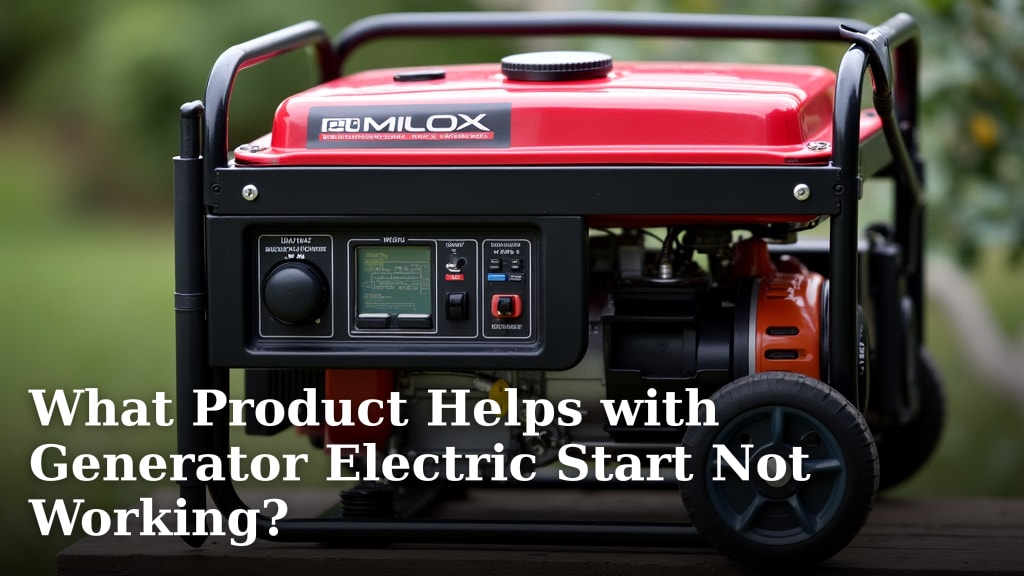
If your generator’s electric start isn’t working, it’s often due to a dead battery, a faulty starter solenoid, or a loose connection. While there isn’t one single “product” that magically fixes all electric start issues, checking these common culprits will likely solve the problem. You can often find replacement parts for these components at your local auto parts store or online.
Diagnosing a generator’s electric start problem can feel like a puzzle. You rely on your generator for power, so a non-working start button is a real headache. We found that many common issues stem from simple, fixable causes like low battery charge or a dirty connection. Sometimes, it’s just a matter of identifying the specific faulty part.
TL;DR:
- Check the battery first.
- Inspect the starter solenoid.
- Look for loose or corroded connections.
- A blown fuse can also be the culprit.
- Basic troubleshooting can save you time and money.
Let’s walk through how to pinpoint why your generator’s electric start is giving you trouble, and what parts might be the fix.
Troubleshooting Your Generator’s Electric Start: What Parts to Check
When your generator’s electric start button doesn’t do anything, it’s frustrating. You need power, and a dead starter is a major roadblock. While there isn’t one single “product” that fixes everything, the issue often points to a few common mechanical or electrical components. We found that many users can resolve these problems by simply inspecting and sometimes replacing a few key parts.
The Generator Battery: Often the Usual Suspect
The most frequent reason for an electric start failure is a weak or dead battery. Think of it like your car; if the battery is drained, the starter motor won’t have enough juice to crank the engine. This is especially true if your generator hasn’t been used in a while or if the battery is old.
Checking Your Battery’s Charge
First, visually inspect the battery. Look for any signs of corrosion on the terminals. This white or bluish fuzzy stuff can prevent a good connection. If you see corrosion, you can clean it with a wire brush and a mixture of baking soda and water. You can also use a battery terminal cleaner spray. After cleaning, make sure the cables are tightly secured. A loose connection is just as bad as a corroded one.
If the battery looks clean and the connections are tight, the next step is to test its voltage. You’ll need a multimeter for this. Set it to DC volts, typically in the 20V range. Touch the red probe to the positive terminal and the black probe to the negative terminal. A fully charged battery should read around 12.6 volts or higher. If it’s significantly lower, say below 12.2 volts, it likely needs a recharge or replacement. If the battery looks clean and the connections are tight, the next step is to test its voltage with a multimeter.
Recharging or Replacing the Battery
If your battery is simply discharged, you can try charging it with a compatible battery charger. Follow the charger’s instructions carefully. If the battery is old (typically 3-5 years), or if it won’t hold a charge after recharging, it’s probably time for a new one. Many generators use standard lead-acid batteries similar to those found in cars or motorcycles. You can find replacements at auto parts stores or online.
The Starter Solenoid: The Middleman of Power
If the battery is confirmed to be in good health, the starter solenoid is the next component to investigate. This is an electrical switch that uses a small current from your control panel to engage a larger current from the battery to the starter motor. It’s like a relay, directing the heavy lifting.
Understanding the Solenoid’s Role
When you press the electric start button, a signal is sent to the solenoid. The solenoid then closes a circuit, allowing battery power to flow directly to the starter motor. If the solenoid is faulty, this power transfer won’t happen, even if the battery is fully charged and the button is working.
Testing the Starter Solenoid
Testing a solenoid can be a bit more involved. One common method is to listen for a click when you try to start the generator. If you hear a distinct “thunk” or “click” from the solenoid area when you press the start button, it means it’s receiving power and trying to engage. If you hear nothing at all, it could indicate a problem with the solenoid itself or the wiring leading to it. Many experts recommend a continuity test with a multimeter, but this requires some comfort with electrical diagnostics. If you’re not comfortable, it might be best to consult your generator’s manual or a technician.
Replacing a Faulty Solenoid
If you determine the solenoid is the culprit, replacing it is often straightforward. Solenoids are typically bolted into place and have electrical connections that can be unplugged or unscrewed. Make sure to get an exact replacement part for your generator model. Always disconnect the battery before attempting any replacement to avoid accidental shocks or short circuits.
Wiring and Connections: The Often-Overlooked Details
Sometimes, the problem isn’t with a major component but with the simple flow of electricity. Loose wires, corroded terminals, or damaged insulation can all interrupt the signal from your start button to the starter motor.
Tracing the Wires
Start by visually inspecting all the wiring associated with the electric start system. Follow the path from the battery to the solenoid, and from the solenoid to the starter motor. Look for any frayed wires, burnt insulation, or connections that seem loose. Gently tug on connections to ensure they are secure.
Checking the Ground Connection
A solid ground connection is just as vital as the positive connection. The generator needs a good path to ground for the electrical system to function correctly. Check the main ground strap or wire. Ensure it’s clean, tight, and free from corrosion. If it looks suspect, cleaning it thoroughly can make a world of difference.
Blown Fuses: The Small but Mighty Protectors
Many generators have fuses built into their electrical system to protect components from overcurrent. A fuse might blow if there was a short circuit or a surge. If a fuse blows, it will interrupt the flow of electricity to the starter system, preventing it from working.
Locating and Inspecting Fuses
Consult your generator’s owner’s manual to find the location of any fuses. They are often housed in small plastic fuse holders. Once you find them, remove each fuse and visually inspect it. A blown fuse will usually have a broken wire inside the glass or plastic casing. You can also test a fuse with a multimeter set to continuity mode. If you find a blown fuse, replace it with a new one of the exact same amperage rating. Never use a fuse with a higher rating, as this can cause damage to the generator.
A Quick Checklist for Generator Electric Start Issues
To help you organize your troubleshooting, here’s a quick rundown of what to check:
- Battery Terminals: Clean and tighten them.
- Battery Voltage: Test it with a multimeter. Recharge or replace if low.
- Wiring Connections: Ensure all wires are secure and free from damage.
- Starter Solenoid: Listen for a click, or perform a continuity test.
- Fuses: Locate and inspect for any blown fuses.
- Owner’s Manual: Always refer to it for model-specific guidance.
When to Call in the Professionals
If you’ve gone through these steps and your generator’s electric start still isn’t working, it might be time to seek professional help. Some issues, like a faulty starter motor itself or complex electrical problems, can be difficult to diagnose and repair without specialized knowledge and tools. Many service centers offer generator repair, and they can get your unit back up and running smoothly.
Conclusion
It’s frustrating when your generator’s electric start won’t engage, but you’ve learned that it’s usually not a mystery. We found that the most common culprits are a dead battery, a faulty starter solenoid, or simple issues with wiring and connections. Even a blown fuse can be the culprit. By systematically checking these parts, you can often pinpoint the problem yourself. If these steps don’t get your generator roaring back to life, don’t hesitate to consult your owner’s manual or call a professional. Your next step is to grab your tools and systematically work through the checklist.
Frequently Asked Questions
What is the most common “product” or part that fails on a generator’s electric start?
We found that the most frequent reason for an electric start failure is your generator’s battery. Much like your car, a weak or dead battery simply won’t have enough power to engage the starter motor.
Can I just buy a universal “electric start fixer” product for my generator?
Unfortunately, there isn’t one single “product” that fixes all electric start issues. The problem is usually with specific components like the battery, solenoid, or connections, not a general system failure that a universal fix could address.
How do I know if my generator’s starter solenoid is bad?
A good indicator is listening for a click or “thunk” when you press the start button. If you hear nothing from the solenoid area, it might be faulty, or there could be an issue with the wiring leading to it.
What’s the easiest way to check my generator’s battery health for starting issues?
Start with a visual inspection for corrosion on the terminals and ensure connections are tight. Then, use a multimeter to check the battery’s voltage; a reading below 12.2 volts suggests it needs charging or replacement.
Besides the battery and solenoid, what else could be wrong if my electric start isn’t working?
We’ve seen that loose or corroded wiring connections and blown fuses are also common culprits. Always check these points after confirming your battery and solenoid are functioning correctly.
