
Why Is My Generator Battery Not Charging?
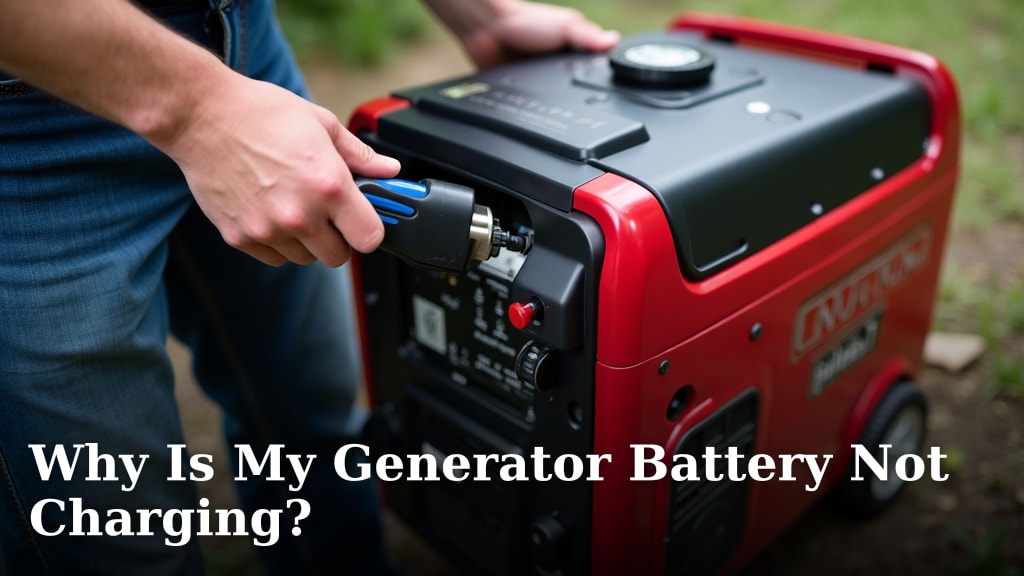
Your generator battery is not charging typically because of a faulty alternator or voltage regulator, a loose or corroded connection, or a dead battery that simply won’t hold a charge anymore. These issues prevent the crucial power flow needed to keep your generator ready for action.
You’re not alone if you’re asking, “Why is my generator battery not charging?” We found this is a common headache for many generator owners. It often means your generator won’t start when you need it most, like during a power outage. Catching these problems early saves you a lot of stress.
- The alternator or voltage regulator is usually the main culprit.
- Loose or dirty cables can stop the charge.
- Sometimes, the battery itself is just too old.
- Regular checks can help you avoid these surprises.
Let’s dive into the specifics and help you troubleshoot why your generator battery might be acting up. We’ll walk you through the common reasons and what you can do about them.
Common Reasons Your Generator Battery Isn’t Charging
If your generator battery isn’t juicing up, it’s often due to a few common culprits. You might be looking at issues with the charging system itself or problems with the battery. We’ve found that pinpointing the exact cause helps you fix it faster.
The Charging System
The charging system in your generator is designed to keep the battery topped up. It’s a bit like your car’s charging system. If any part of it fails, your battery won’t get the power it needs.
Faulty Alternator or Stator
Your generator likely has an alternator or a stator. This component creates the electricity needed to charge your battery when the engine runs. If it’s worn out or damaged, it simply won’t produce power. We’ve seen this lead to a completely dead battery. You’ll often find that the generator starts fine but the battery won’t recharge after use.
Voltage Regulator Issues
The voltage regulator ensures your battery gets the correct amount of voltage. Too little, and it won’t charge. Too much, and it could damage the battery. If this part fails, your battery will either undercharge or overcharge. Both scenarios are bad news for battery life. Overcharging can boil off the electrolyte, while undercharging leaves it flat. (Generac Power Systems found faulty regulators are a common service call).
Blown Fuses or Circuit Breakers
Sometimes, the fix is super simple! Your generator’s charging circuit usually has a fuse or a circuit breaker. These are safety devices. If there’s an electrical surge or a short, they trip to protect the system. A blown fuse or a tripped breaker will stop the charge dead in its tracks. Always check these first; it’s a quick win if this is the problem.
Battery and Connection Problems
Beyond the charging system, the battery itself and its connections are frequent sources of trouble. These are often easier to spot and fix yourself.
Corroded or Loose Battery Terminals
Have you looked at your battery terminals lately? Over time, corrosion can build up on them. This white or green powdery substance acts like an insulator. It prevents electricity from flowing. Loose connections can also stop the charge. We’ve found that clean and tight connections are essential for a good charge. It’s like trying to drink water through a clogged straw; nothing gets through.
Sulphated or Old Battery
Batteries don’t last forever. As they age, they lose their ability to hold a charge. This is especially true if a battery has been left discharged for too long. A process called sulphation can occur, where crystals form on the battery plates. This reduces the battery’s capacity and charging efficiency. If your battery is more than 3-5 years old, it might just be time for a replacement. Experts like Battery Council International recommend regular testing for older batteries.
Here’s a quick look at why batteries fail:
| Issue | Impact on Charging | Common Sign |
|---|---|---|
| Old Age | Reduced capacity, won’t hold charge | Battery dies quickly after charging |
| Sulphation | Internal resistance, poor charging | Battery feels warm when charging |
| Low Electrolyte | Damaged plates, reduced power | Battery cells visible, fluid level low (if serviceable) |
| Internal Short | Rapid discharge, won’t charge | Battery gets hot, smells like rotten eggs |
Bad Battery Charger (for Standby Generators)
If you have a standby generator, it often has a dedicated battery charger that keeps the battery ready 24/7. This charger plugs into a wall outlet. If this charger unit fails, or if it loses power, your battery won’t get its maintenance charge. Check if the charger is plugged in and if its indicator lights are on. We’ve seen many cases where the charger simply came unplugged or its circuit breaker tripped.
External Factors Affecting Charging
Sometimes, the problem isn’t inside the generator or the battery. External factors can also play a role in why your battery isn’t charging.
Environmental Conditions
Extreme temperatures can impact battery performance. Very cold weather reduces a battery’s capacity and ability to accept a charge. On the flip side, extreme heat can shorten battery life. If your generator is stored in an unheated garage during winter, the battery might struggle to charge effectively. This is why many manufacturers recommend specific operating temperatures for their generators.
Infrequent Use or Long-Term Storage
Generators, especially those used for emergencies, can sit idle for long periods. If a battery is left to sit without use or without a maintenance charger, it will self-discharge. Over time, this leads to a deeply discharged battery that may not recover. We always suggest running your generator regularly or using a trickle charger during storage. This keeps the battery “exercised” and ready.
Troubleshooting Your Generator Battery Charging Issue
Ready to get your hands a little dirty? Here’s a quick checklist to help you troubleshoot the problem. Always remember to prioritize your safety first!
- Check for Loose or Corroded Connections: Start with the easiest visual check. Are the battery terminals clean and tight? Use a wire brush to clean any corrosion.
- Test Battery Voltage: Use a multimeter to check the battery’s voltage. A fully charged 12V battery should read around 12.6-12.8 volts. If it’s significantly lower, the battery might be the problem.
- Inspect Fuses and Circuit Breakers: Locate any fuses or circuit breakers related to the charging system. Replace blown fuses or reset tripped breakers.
- Examine the Alternator/Stator Belt: If your generator uses a belt-driven alternator, check if the belt is tight and in good condition. A loose or worn belt won’t drive the alternator correctly.
- Listen and Observe: Does the generator make any unusual noises when running? Are there any warning lights? Sometimes, the generator will tell you what’s wrong.
Remember, if you’re not comfortable performing these checks yourself, or if the problem seems complex, don’t hesitate to call a certified technician. Your safety and the proper functioning of your generator are most important.
Conclusion
Dealing with a generator that won’t charge its battery can be frustrating, especially when you depend on it. We’ve explored the common culprits, from a faulty alternator to a simple loose connection or an aging battery. Understanding these issues helps you diagnose the problem quickly.
Remember, regular maintenance and proactive checks are your best defense against unexpected power failures. Don’t let a dead battery leave you in the dark. Take the time to troubleshoot now, and you’ll ensure your generator is ready when you need it most.
Frequently Asked Questions
How often should I check my generator battery?
We recommend checking your generator battery’s charge and connections at least once a month. If your generator sits idle for long periods, aim for more frequent checks or use a trickle charger. This prevents deep discharge and extends battery life.
Can a completely dead generator battery be recharged?
Sometimes, yes, but it depends on the battery’s condition. If it’s only discharged, a quality charger might revive it. If it’s sulfated or truly old, it might not hold a charge or take a full charge. We found that batteries left dead for too long rarely recover fully.
What are the signs of a faulty voltage regulator?
A faulty voltage regulator often causes unstable voltage readings. You might see the battery constantly overcharging (boiling electrolyte) or undercharging (always low voltage). Another sign is rapidly dimming or flickering lights when the generator is running.
Is it safe to jump-start a generator battery?
You can usually jump-start a generator battery, similar to a car battery, using jumper cables and a power source. However, be extremely careful to connect the cables correctly. Always consult your generator’s manual for specific instructions and safety warnings.
How long do generator batteries typically last?
Most generator batteries last between 3 to 5 years, similar to car batteries. Their lifespan depends on factors like usage, maintenance, and environmental conditions. Regular testing and proper charging significantly impact how long they remain effective.
