
What Is the Safest Way to Ground a Portable Dual Fuel Generator?
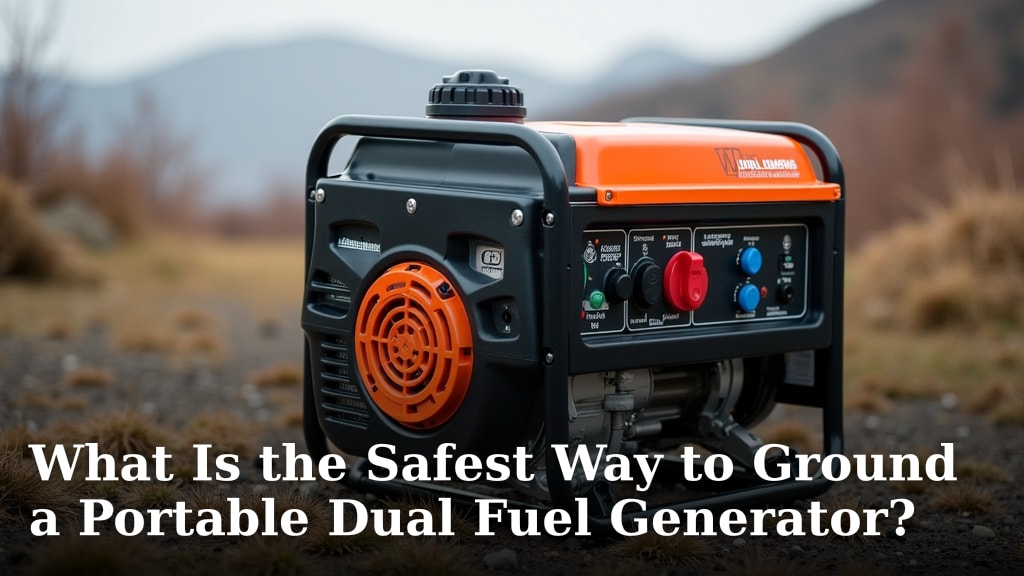
The safest way to ground a portable dual fuel generator is by connecting it to a properly installed grounding rod with heavy-gauge copper wire. For generators with a bonded neutral, you typically need to use a transfer switch to safely connect to your home’s electrical system. Be sure to check your generator’s manual, as some models have a floating neutral and different grounding requirements.
You’ve made a smart choice with a dual fuel generator, offering great versatility. But safety is key, right? Incorrect grounding can lead to dangerous electrical shocks or serious damage to your appliances. We found that understanding your generator’s specific type – whether it has a bonded or floating neutral – is essential for safe operation.
- Always ground your generator.
- Use a dedicated grounding rod.
- Understand bonded vs. floating neutral.
- Install a transfer switch for home use.
- Read your generator’s manual carefully.
Let’s walk through exactly how to safely ground your portable dual fuel generator, ensuring peace of mind during power outages or when enjoying the great outdoors.
Ensuring Safe Grounding for Your Portable Dual Fuel Generator
Safely grounding your portable dual fuel generator protects you and your appliances from electrical hazards. It’s a critical step, whether you’re powering your home during an outage or running tools at a remote campsite. We found that understanding the “why” behind grounding makes the “how” much clearer.
Grounding provides a path for stray electrical current to dissipate into the earth. This prevents dangerous shocks and protects your sensitive electronics from surges (Consumer Product Safety Commission).
Understanding Your Generator’s Neutral: Bonded vs. Floating
Before you even think about grounding, you need to know about your generator’s neutral connection. This is a big deal! It dictates your grounding strategy. You’ll find this information clearly stated in your generator’s owner’s manual.
What is a Bonded Neutral Generator?
Most portable generators come with a bonded neutral from the factory. This means the neutral conductor is electrically connected, or “bonded,” to the generator’s frame. It’s designed to simulate the electrical system in your home, where the neutral and ground are bonded at the main service panel.
If your generator has a bonded neutral, its frame is already grounded internally. This setup is generally safer for powering your home through a transfer switch.
What is a Floating Neutral Generator?
A floating neutral generator, on the other hand, does not have its neutral conductor connected to its frame. The neutral is “floating,” meaning it’s isolated from the generator’s chassis. These generators are less common but are often found in certain inverter generators or those designed for specific applications.
Floating neutral generators require a different grounding approach, especially if you’re connecting them directly to your home. We found that these typically need an external ground connection to be safe, even for basic use.
The Essential Grounding Rod Connection
Regardless of whether your generator has a bonded or floating neutral, a dedicated grounding rod is almost always part of a safe grounding plan. This rod acts as your direct connection to the earth.
- Choose a copper or copper-clad steel rod.
- Ensure it’s at least 8 feet long and 5/8 inch in diameter.
- Drive the rod fully into the ground, ideally in moist soil, away from utility lines.
- Leave a few inches exposed at the top for your connection.
Connecting Your Generator to the Grounding Rod
Once your grounding rod is in place, the next step is to make a secure connection from your generator. This process is fairly straightforward, but precision matters.
You’ll need a good quality, heavy-gauge copper wire. We recommend at least 10-gauge wire for most portable generators. This wire needs to be insulated.
- Locate the grounding lug on your generator’s frame. It’s usually a green screw or a clearly marked terminal.
- Attach one end of your copper wire securely to this grounding lug. Make sure the connection is tight and free from corrosion.
- Connect the other end of the wire to the grounding rod using a grounding clamp. These clamps are designed to create a strong electrical bond between the wire and the rod.
- Double-check both connections for tightness. A loose connection means no ground!
The Role of a Transfer Switch for Home Power
If your goal is to power your home’s circuits with your portable generator, a transfer switch is not optional—it’s essential. This device safely disconnects your home from the utility grid and connects it to your generator.
Why is this so important? Without a transfer switch, you risk “backfeeding” electricity into the utility lines. This can seriously injure or even kill utility workers who are trying to restore power. It also protects your generator from potential damage when utility power returns.
How a Transfer Switch Works
A transfer switch typically has two positions: “Utility” and “Generator.” When you lose power, you switch it to “Generator,” and your home draws power from your unit. When grid power is restored, you switch back to “Utility,” and your home reconnects to the main power source.
We found that professional installation of a transfer switch is highly recommended. It involves working with your home’s electrical panel, which can be dangerous if you’re not experienced. Many local codes require it to be installed by a licensed electrician.
Direct Appliance Connection: When is it Safe?
What if you’re just powering a few individual appliances directly from your generator’s outlets? Do you still need a grounding rod and transfer switch?
For a bonded neutral generator, if you’re just plugging in individual appliances with three-prong grounded cords directly into the generator’s outlets, and the generator is placed on a non-conductive surface (like dry ground), an external grounding rod might not be strictly necessary according to some interpretations of electrical codes (NFPA 70: National Electrical Code). However, many experts still recommend it as an added layer of safety, especially on a portable unit that moves.
For a floating neutral generator, if you’re directly powering appliances, you typically must still ground the generator’s frame to a grounding rod. This establishes a ground path for safety.
Always refer to your specific generator’s manual for guidance on direct appliance connection. When in doubt, a grounding rod is a wise choice.
Safety Precautions and Best Practices Checklist
Beyond the technical steps, maintaining a safety-first mindset is paramount. Portable generators generate carbon monoxide, a colorless, odorless, and deadly gas. Always operate your generator in a well-ventilated outdoor area, far from windows and doors.
We’ve compiled a quick checklist of essential safety practices:
- Read your generator’s manual front to back.
- Always operate your generator outdoors, never indoors or in a garage.
- Ensure your grounding rod connection is tight and corrosion-free.
- Use only heavy-duty, outdoor-rated extension cords.
- Never overload your generator’s capacity.
- Keep the generator dry and protected from rain or snow.
Comparing Generator Neutral Types and Grounding Needs
Here’s a quick look at how the neutral type affects your grounding approach. This comparison might help solidify your understanding.
| Generator Type | Neutral Connection | Required for Direct Plug-in (Outdoors) | Required for Home Connection (Transfer Switch) |
|---|---|---|---|
| Bonded Neutral | Neutral connected to frame | Grounding rod recommended (check manual) | Grounding rod + Transfer switch |
| Floating Neutral | Neutral isolated from frame | Grounding rod typically required | Grounding rod + Transfer switch |
This table summarizes common recommendations. Your generator’s manual is the ultimate authority for your specific model.
Why Bother with Grounding? The Risks of Skipping It
You might wonder, “Is all this grounding really necessary?” The short answer is yes, absolutely. Ignoring proper grounding can lead to some very severe consequences.
Without a proper ground, your generator cannot safely dissipate fault currents. This means if there’s an electrical short or surge, the current could travel through your body, resulting in a dangerous electrical shock. This is not a risk worth taking.
Additionally, improper grounding can damage your connected appliances. Sensitive electronics are especially vulnerable to voltage fluctuations or surges that a properly grounded system would absorb. We found that insurance companies often won’t cover damage if the generator wasn’t used according to safety guidelines (Insurance Information Institute).
Conclusion
Safely grounding your portable dual fuel generator is a non-negotiable step for your protection and the longevity of your appliances. We’ve covered why understanding your generator’s neutral type (bonded vs. floating) is so important, and how a proper grounding rod connection is key. Remember, when connecting to your home, a transfer switch is essential for everyone’s safety. Prioritizing these steps will give you real peace of mind.
Always consult your generator’s manual for precise instructions. If you’re ever unsure, especially with home electrical connections, consider consulting a qualified electrician. Your safety is worth the extra care.
Frequently Asked Questions
What size grounding rod do I need for a portable generator?
You should use a copper or copper-clad steel grounding rod that is at least 8 feet long and 5/8 inch in diameter. Driving it fully into moist soil ensures the best connection to the earth.
Can I use rebar as a grounding rod for my generator?
No, you should not use rebar as a grounding rod. Rebar is not designed or rated for electrical grounding purposes. Always use a proper copper or copper-clad steel grounding rod to ensure a safe and effective ground.
Do all portable generators need to be grounded?
Most portable generators benefit from grounding, and many require it for safe operation, especially when connected to your home’s electrical system or when using a floating neutral generator. Always check your specific generator’s manual, as requirements can vary.
How far away from my house should I place the grounding rod?
Place your grounding rod close enough to your generator for a direct connection, usually within a few feet. Ensure it’s driven into the soil away from any underground utility lines or pipes to prevent accidental damage.
What kind of wire should I use to ground my generator?
You should use a heavy-gauge insulated copper wire, typically 10-gauge for most portable generators. This wire connects your generator’s frame to the grounding rod, providing a safe path for electrical current.
