What Is an RV Ready Generator?
An RV-ready generator has an outlet made to connect to an RV power cord, commonly a TT-30R 30 amp outlet or a 14-50R 50 amp outlet. Check the outlet, voltage, amperage, and generator output against your RV's manual before connecting.
On this page (7 sections)
An RV-ready generator has an outlet intended for an RV power cord, commonly a TT-30R 30 amp outlet or a 14-50R 50 amp outlet. Before choosing one, match its outlet, voltage, amperage, and available running watts to your RV's power inlet and electrical needs.
“RV ready” describes a connection feature, not a promise that a generator can run every appliance in your RV. The details on the outlet and the generator's output matter.
What is an RV-ready generator?
An RV-ready generator includes a receptacle designed to connect to an RV power cord. A common example is the TT-30R, a 120V, 30 amp outlet used by many travel trailers.
Some larger generators have a 120/240V 14-50R, a 50 amp outlet used by some RVs. The connector type and voltage are different, so confirm what your RV accepts before making a connection.
A generator can also have household outlets without an RV outlet. In that case, check your RV manual for an approved connection method instead of assuming a household receptacle is suitable.
Which RV outlet should you match?
Match the generator outlet to the power inlet and cord on your RV. Check the labels on the inlet, cord, and any manual before comparing generator models.
A TT-30R is a 120V, 30 amp RV outlet. A 14-50R supplies 120/240V and uses a different connector, so the two aren't interchangeable just because both are common RV connections.
Don't choose by amperage alone. Confirm voltage and receptacle configuration, and use only an adapter or connection method approved for the equipment.
How much generator power does an RV need?
The right generator needs enough rated running watts for the appliances you plan to operate, with enough capacity for equipment that draws extra power at startup. Your RV manual and appliance labels provide the figures to check.
List the devices you expect to run at the same time, such as an air conditioner, refrigerator, lights, or electronics. Add their running requirements, then account for startup demand using the appliance and generator manuals.
The outlet may match while the generator still lacks the output for your intended load. For help comparing generator sizes and fuel options, see our guide to Top 7 Watt Dual Fuel Generator For RV Use.
Does RV ready mean the generator will run an air conditioner?
No. An RV-ready outlet confirms a connection type, not the generator's ability to run your air conditioner.
Check the air conditioner's running and starting requirements against the generator's output.
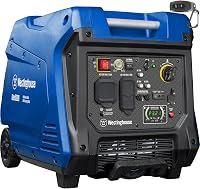
The Westinghouse 5000 Peak Watt Super Quiet Portable has a TT-30R 30 amp RV-ready outlet and 3,900 rated watts. For models near this output, compare 4000-watt generators for RVs.
Those details make it one option to compare against your RV and appliance requirements.
If you want a generator with that outlet type, review the Top 7 Watt Dual Fuel Generator For RV Use comparison for more options. Confirm that any model you consider can support your expected load.
What electrical details should you check?
Check voltage, outlet type, amperage, running watts, and starting demand before connecting a generator. Those details help you confirm both that the cord fits and that the generator can support the load.
Your RV's shore-power inlet identifies the connection your rig accepts. The generator's panel and manual identify its outlets and output; match the two using the equipment makers' instructions.
A 120V/240V L14-30R outlet is not the same as a TT-30R RV outlet. The WEN generator below has an L14-30R outlet and a 120V/240V selector, so check its configuration carefully against your RV connection.
The WEN DF475T has gasoline and propane output ratings, but those numbers don't change the outlet configuration. If you're choosing between a portable unit and a permanently installed setup, our guide to built-in RV generators explains the main options.
What is the difference between a TT-30R and an L14-30R?
A TT-30R is a 120V RV outlet, while an L14-30R is a 120/240V twist-lock outlet with a different wiring pattern. Their similar “30” labels don't make them interchangeable.
The WEN DF475T includes an L14-30R outlet, two 120V GFCI household outlets, and a 120V/240V voltage selector. Check its manual and your RV requirements before using any cord or adapter.
Can a 50 amp generator power a 30 amp RV?
A 50 amp generator outlet does not automatically connect to a 30 amp RV. Confirm the outlet wiring, voltage, and approved connection method first, even if an adapter appears to fit.
The Westinghouse 12500 Watt Dual Fuel Home Backup includes a 120/240V 14-50R 50 amp RV-ready outlet. Its outlet may suit some RV setups, but you still need to verify that your RV and connection equipment support it.
The generator also has 120V household outlets and an L14-30R transfer-switch-ready outlet. Those are different connection types, so use the correct receptacle for your RV and follow both manuals.
For a step-by-step connection overview, read how to power an RV with a dual-fuel generator. If you're gathering cables and other equipment, see what you need to power an RV with a dual-fuel generator.
What safety checks come before connecting?
Before connecting, follow the generator and RV manuals and use the required outdoor setup. Never operate a fuel-powered generator inside an RV, garage, or other enclosed space because carbon monoxide can build up.
Keep the generator away from doors, windows, and vents, following the clearances in its manual. Use a suitable outdoor-rated cord and keep connections dry.
Turn off appliances before connecting or disconnecting, and start with a light load. If you're unsure about an outlet, adapter, grounding, or electrical protection, ask a qualified electrician.
Which details help narrow down a generator?
Start with your RV inlet and the appliances you need to run. For quiet power at camp, compare solar generators for camping.
Choose a generator with the matching outlet and enough output for those loads, then compare noise, fuel, portability, and runtime for your trips. For tailgating, compare small generators for tailgating.
For a commercial setup, compare quiet generators for food trucks.
For onboard power, see the boat generator selection guide.
A TT-30R 120V outlet may be the key fit for a travel trailer with a 30 amp cord. A 14-50R outlet may matter for an RV set up for 50 amp service, but verify voltage and compatibility.
For a broader comparison of RV generator choices, see Top 7 Watt Dual Fuel Generator For RV Use. If your power needs come from work equipment instead, our guide to the best generators for mobile detailing covers another use case.
The right RV-ready generator is the one with a compatible outlet and enough usable power for your planned loads. Check the RV manual first, then compare generator outlet details and output before buying.
Frequently asked questions
What does RV ready mean on a generator?
RV ready usually means the generator has an outlet intended for an RV power cord, such as a TT-30R 30 amp receptacle. The label alone doesn't tell you whether the generator can run every appliance in your RV.
Check the outlet, voltage, amperage, and running watts against your RV manual and the appliance loads you plan to use.
Can I plug a 30 amp RV into a 50 amp generator outlet?
Only use a connection setup approved for your RV and generator, with the correct voltage and wiring. A 50 amp outlet may have a different configuration from a 30 amp TT-30R, so don't assume a physical adapter makes the connection safe.
Check both manuals or ask a qualified electrician before connecting.
Does an RV-ready generator run an RV air conditioner?
It may, if the generator can handle the air conditioner's starting and running demand along with any other loads switched on. Compare the appliance requirements with the generator's rated output, and account for other devices.
Your RV and air conditioner manuals give the requirements to check.
Is a 120V/240V outlet the same as a 30 amp RV outlet?
No. A 120V/240V outlet such as an L14-30R has a different wiring configuration from a TT-30R 120V RV outlet, even when both are described as 30 amp.
Match the receptacle and voltage to your RV power cord, and use only a connection method approved by the equipment makers.