Built-In RV Generators: Which Type Should You Choose?
Choose a built-in RV generator by matching its fuel to your rig, its dimensions to the generator compartment, and its output to your electrical loads. Check the RV maker's installation limits and wiring before buying.
On this page (7 sections)
- Which fuel type should you choose for a built-in RV generator?
- How do you know if a generator fits the RV compartment?
- How much output do your RV electrical loads need?
- When does a portable generator make more sense?
- Which products help you compare RV generator choices?
- What should you confirm before buying a built-in RV generator?
- How do you choose the right built-in RV generator?
Choose a built-in RV generator by matching its fuel to your rig, its dimensions to the generator compartment, and its output to the loads you plan to run together. Confirm installation and electrical compatibility before buying.
An installed generator can draw from the RV's fuel supply and stay available without setting up a separate portable unit. Fit and safe installation matter just as much as wattage.
If you're still comparing installed and portable options, start with what an RV-ready generator is. Then check your RV manual for the generator models, fuel types and wiring it supports.
Which fuel type should you choose for a built-in RV generator?
Choose a generator that uses a fuel your RV is designed to supply. Gasoline, diesel and propane models each bring different refueling and storage needs, so the RV's existing system should guide the choice.
A gasoline generator may draw from a compatible onboard gasoline tank. A diesel model may use the RV's diesel supply, while a propane model needs an approved propane connection and enough fuel for the trip.
For camping, see this guide to diesel generators.
Don't assume a fuel type works because your RV carries that fuel. Check the generator and RV manuals for the approved connection, fuel lines and installation details.
For flexible fueling in a separate portable setup, compare the top dual-fuel generators for RV use. A portable dual-fuel generator may offer gasoline and propane options, but that doesn't make it suitable for permanent installation in an RV.
What does onboard fuel access change?
An onboard connection can save you from carrying a separate generator fuel container or setting up a propane cylinder at each stop. The exact arrangement depends on the RV and generator.
Consider how you travel. A long stay without easy refueling may put more weight on fuel capacity and consumption, while a short trip near fuel stops may make refueling less of a concern.
Check how the generator affects the RV's available fuel. The engine, generator and other appliances may draw from the same supply, depending on the design.
How do you know if a generator fits the RV compartment?
A generator fits only if its dimensions and installation requirements match the compartment. Measure the opening and interior space, then check clearance, ventilation, exhaust routing, mounting and service access.
Record the compartment's usable width, height and depth. Measure the door opening too, since a unit may fit inside the compartment but fail to pass through the access panel.
Allow space for required airflow and maintenance. A cramped installation can block ventilation or make routine service difficult.
Ask the RV manufacturer or a qualified installer to confirm the approved generator and installation method. Don't use a portable unit in an enclosed compartment unless its instructions and the RV maker explicitly approve that setup.
What should you check beyond the generator's dimensions?
Check the mounting points, exhaust path and ventilation openings against the generator instructions. Also confirm that the compartment door, nearby wiring and service panels remain accessible.
The RV's weight limits and balance can affect which generator is suitable. Use the RV maker's guidance to check whether the generator and installation hardware fit within those limits.
A model's outside dimensions alone don't prove that it will fit safely. You need the installation instructions and the RV's compartment specifications.
How much output do your RV electrical loads need?
Choose a generator with enough running and startup power for the appliances you plan to use at the same time. Add the running watts of those loads, then account for the higher startup demand some appliances need.
List the equipment you expect to run together, such as an air conditioner, refrigerator, microwave, lights or chargers. Check each appliance label or manual for its electrical demand rather than guessing from its size.
Starting an air conditioner can require more power than keeping it running. Check the appliance and generator guidance to see whether the generator can handle that initial load.
The RV's wiring and electrical panel also set limits. Confirm the generator output and connection match the RV electrical system, including voltage and breaker ratings.
Can one generator run the air conditioner and other appliances?
It depends on the combined load and startup demand. An air conditioner may use a large share of available output, so running it with a microwave or other high-draw appliance could exceed the generator's capacity.
Make a simple list of what must run together and what can wait. If the total is close to the generator limit, ask an RV technician to review the loads and the RV wiring.
For another way to estimate portable generator needs, read how to power an RV with a dual-fuel generator. The basic load check applies, but an installed generator also needs to meet the RV's fit and installation requirements.
When does a portable generator make more sense?
A portable generator may suit you better if you don't want a permanent installation or need power for more than one setup. For a battery-based portable option, compare 2,000-watt solar generators with panels.
You can store it when you travel and place it outside the RV when you need power, subject to its instructions and campsite rules.
Portable models need secure storage, setup space and a safe operating location. They can also require separate fuel storage and connection equipment.
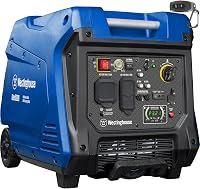
For a model with an RV-ready outlet and a compact inverter design, consider the Westinghouse 5000 Peak Watt Super Quiet Portable.
An RV-ready outlet is useful, but it doesn't make this portable model a built-in generator. Check the RV's connection and the generator's instructions before using it.
Compare portable options in our guide to top dual-fuel generators for RV use. If you need a step-by-step connection overview, see what you need to power an RV with a dual-fuel generator.
Which products help you compare RV generator choices?
These examples illustrate different portable generator features that may matter when you compare RV power options. They are portable generators, not recommendations for permanent installation; verify fit and use requirements with the RV and generator makers.
The Westinghouse 5000 Peak Watt Super Quiet Portable has a TT-30R RV-ready outlet, gasoline fuel and a rotating display for fuel level and power output.
The WEN dual-fuel portable generator can run on gasoline or propane and has a 120V/240V selector. Its outlets include a 120V/240V L14-30R twist lock, so confirm your RV's connection needs before considering it.
The Westinghouse 12500 Watt Dual Fuel Home Backup model is a larger portable generator with gasoline and propane operation, plus a 50 amp RV-ready outlet. Its size and home-backup focus make installation approval and compartment fit especially important to verify.
What should you confirm before buying a built-in RV generator?
Confirm model approval, fuel compatibility, compartment fit and electrical capacity before choosing a built-in unit. The RV manual and generator installation instructions should support the same setup.
Use this checklist:
- Find the RV maker's approved generator models or installation requirements.
- Confirm the fuel type and the approved connection to the RV's fuel supply.
- Measure the compartment opening and interior dimensions.
- Check ventilation, exhaust, clearances, mounting and service access.
- Add the running and startup demands of the appliances you plan to use together.
- Match voltage, outlets and wiring to the RV's electrical system.
- Confirm weight limits and any required installation work with a qualified RV technician.
Don't rely on an RV-ready outlet or a matching watt number alone. Those details don't confirm that a portable generator can be installed inside a compartment.
How do you choose the right built-in RV generator?
Choose a built-in generator that the RV maker approves, fits its compartment and can handle your planned electrical loads. Pick a fuel type that matches the RV's approved supply and the way you travel.
If you want permanent power, confirm the model and installation with the RV manufacturer or a qualified installer. If portability matters more, compare RV dual-fuel generator options and use the generator only as its instructions allow.
The best built-in RV generator is the one that works with your specific rig's fuel, compartment and electrical system.
Frequently asked questions
What fuel does a built-in RV generator use?
A built-in RV generator may use gasoline, diesel or propane, depending on the generator and how the RV is equipped. Match the generator's fuel to the RV's approved fuel supply and installation requirements, then compare runtime, storage and refueling needs for your trips.
Can I install a portable generator in an RV compartment?
A portable generator is not automatically suitable for permanent installation in an RV compartment. Check its installation instructions, ventilation and exhaust requirements, clearances, mounting, wiring and the RV maker's approval before considering that setup.
How much power should a built-in RV generator produce?
Choose output by adding the running watts of the appliances you expect to use together, then account for startup demand from equipment such as an air conditioner. Check the RV's electrical system and generator instructions, since a watt figure alone does not confirm compatibility.
Is a built-in RV generator quieter than a portable generator?
Noise depends on the generator design, installation, load and surroundings. An RV compartment can affect how sound reaches the living area, but it does not make every installed generator quiet.
Compare the manufacturer's noise information under similar conditions and follow campsite rules.
What should I measure before choosing an RV generator?
Measure the compartment's width, height and depth, then check door opening, ventilation, exhaust routing, service access and required clearances. Confirm the RV's electrical connection, fuel supply and mounting limits with the RV maker and the generator manufacturer.