
What Do You Need to Use a Generator Interlock Kit Safely?
To use a generator interlock kit safely, you primarily need the correct interlock device for your electrical panel, a properly rated generator, and the right heavy-duty cords. You also need a solid understanding of how to use it to prevent dangerous backfeeding into the power grid.
Generator interlock kits are essential for keeping your home powered during outages while ensuring safety for utility workers. We found that these devices stop your generator and main power from being active simultaneously. This simple mechanism avoids electrical hazards, protecting everyone involved.
- Understanding the correct interlock kit for your panel.
- Matching your generator’s power output.
- Using appropriate heavy-duty extension cords.
- Following a safe startup and shutdown procedure.
- Knowing why backfeeding is dangerous.
Let’s walk through exactly what you need to know to use a generator interlock kit safely and effectively.
What You Need for Safe Generator Interlock Kit Use
Using a generator interlock kit safely requires specific equipment and a clear understanding of the process. You’ll need the right interlock, a suitable generator, and appropriate cords to power your home without risk.
Choosing the Right Interlock Kit for Your Electrical Panel
The very first step is identifying the correct interlock device for your home’s electrical panel. This isn’t a one-size-fits-all situation. Your electrical panel has a specific manufacturer, model, and configuration.
Panel Compatibility is Key
Think of it like buying a spare part for your car; it has to fit perfectly. An interlock kit must be designed specifically for your panel’s make and model. We found that trying to force a generic interlock or one not designed for your panel can create a serious safety hazard. It might not function correctly, allowing both utility power and generator power to flow simultaneously – which is exactly what an interlock is meant to prevent.
- Check the manufacturer and model number of your main electrical panel.
- Look for kits that are UL listed (Underwriters Laboratories) for your specific panel. This certification means it has been tested for safety.
- If unsure, always consult with a licensed electrician. They can identify your panel and recommend the correct kit.
Selecting a Generator That Meets Your Needs
Once you have the interlock sorted, your generator is the next piece of the puzzle. It needs to be the right size and type for your household’s power demands during an outage.
Generator Size and Power Output
You don’t want a generator that’s too small or excessively large. A generator that’s too small won’t power everything you need, leaving you frustrated. One that’s too large might be overkill, burning more fuel than necessary. We found that balancing your essential needs with the generator’s capacity is important. Make a list of the critical appliances you want to run (refrigerator, well pump, furnace fan, some lights) and check their wattage requirements. Then, choose a generator that can handle the combined running watts, plus a little extra for starting surge watts.
Here’s a quick guide to common generator types:
| Generator Type | Typical Wattage Range | Best For |
|---|---|---|
| Inverter Generators | 1,000 – 4,000 W | Sensitive electronics, light loads, quiet operation |
| Portable Generators | 3,000 – 10,000 W | General home backup, construction sites |
| Standby Generators | 7,000 – 22,000+ W | Whole-home backup, automatic operation |
Fuel Type and Storage
Generators run on various fuels: gasoline, propane, natural gas, or diesel. Consider what’s readily available and easy for you to store safely. Gasoline requires careful handling and has a limited shelf life. Propane stores longer and burns cleaner, but you’ll need tanks. Natural gas offers an unlimited supply if you have a connection, but it’s often reserved for standby units. We found that thinking about fuel availability before an emergency is a smart move (National Fire Protection Association).
Essential Heavy-Duty Cords and Connectors
Connecting your generator to the interlock kit requires specific electrical cords. These aren’t just any extension cords; they are built for serious power transfer.
Power Inlet Box and Generator Cord
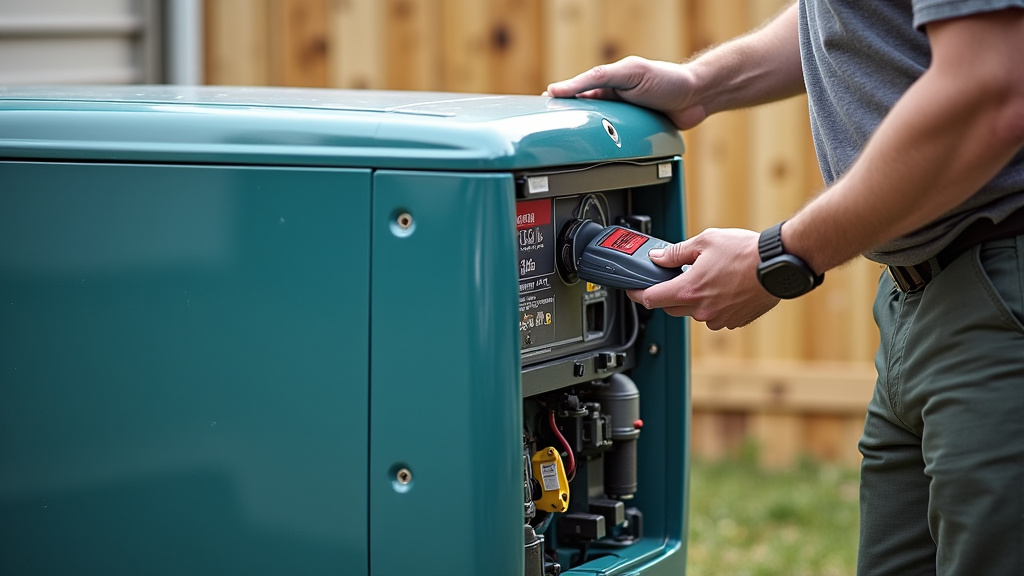
Your interlock system uses a dedicated power inlet box, typically mounted outside your home. This is where you plug in your generator. The cord connecting your generator to this inlet box must be a heavy-duty, outdoor-rated generator cord. It needs to have the correct plug configuration to match both your generator’s output receptacle and the power inlet box. We found that matching the amperage and voltage ratings of the cord to your generator’s output is absolutely vital to prevent overheating and fire hazards.
- Ensure the cord is rated for outdoor use and designed for generators.
- Check that the cord’s amperage rating is equal to or greater than your generator’s output.
- The plugs on both ends must perfectly match the receptacles.
Understanding Backfeeding and Its Dangers
This is perhaps the most critical piece of knowledge you need. The entire purpose of an interlock kit is to prevent something called “backfeeding.”
What is Backfeeding?
Imagine your house’s electrical system like a one-way street for power from the utility company. When you connect a generator directly to your home without an interlock, you’re essentially turning your house into a power source. If the utility grid is down, but your generator is running, electricity can flow out of your home and back onto the utility lines. This is backfeeding.
Why is Backfeeding So Dangerous?
Backfeeding creates an extremely hazardous situation for utility workers. When they’re working to restore power, they expect the lines to be dead. If your generator is backfeeding, those lines become unexpectedly energized. This can lead to severe injury or even electrocution for unsuspecting workers. Many experts say that backfeeding is one of the leading causes of generator-related fatalities among utility personnel (Electrical Safety Foundation International).
The interlock kit ensures that only one power source – either the utility grid or your generator – can connect to your home’s electrical panel at any given time. It’s a simple, mechanical lockout mechanism that prevents the main breaker and the generator breaker from being on simultaneously.
Safety Procedures and Awareness
Having the right equipment is only half the battle. Knowing how to use it safely and following specific procedures is just as important.
Proper Generator Placement and Ventilation
Generators produce carbon monoxide, a colorless, odorless, and deadly gas. Always operate your generator outdoors in a well-ventilated area, far away from windows, doors, and vents that could allow fumes to enter your home. The Consumer Product Safety Commission consistently warns against running generators indoors or in garages. Even an open garage door isn’t enough ventilation.
Follow Startup and Shutdown Protocols
There’s a correct sequence for turning your generator on and off when using an interlock kit. Deviating from this sequence can be risky. Generally, you shut off main utility power, then engage the interlock, then start the generator and turn on individual circuits. For shutdown, you reverse the process. Always consult the specific instructions for your interlock kit and generator.
Regular Maintenance and Inspection
Just like your car, your generator needs regular check-ups. Follow the manufacturer’s maintenance schedule. Check oil levels, spark plugs, air filters, and fuel condition. Also, periodically inspect your generator cord for any damage, fraying, or exposed wires. A damaged cord is a fire hazard.
Your Generator Interlock Safety Checklist
To summarize, here’s a quick checklist to help you stay safe when using your generator with an interlock kit:
- Have the correct, UL-listed interlock kit for your specific electrical panel.
- Own a generator that is appropriately sized for your essential power needs.
- Use a heavy-duty, outdoor-rated generator cord with matching plugs.
- Always operate the generator outdoors and far from your home.
- Understand the dangers of backfeeding and how your interlock prevents it.
- Follow the specific startup and shutdown procedures for your system.
- Perform regular maintenance and inspections on your generator and cords.
Conclusion
Using a generator with an interlock kit means you can keep your lights on safely during an outage. You’ve learned that having the right, UL-listed interlock for your panel, a properly sized generator, and heavy-duty cords are non-negotiable. More importantly, understanding how to prevent dangerous backfeeding and following safe operating procedures protects utility workers and your household alike. By making smart choices and taking the time to set things up correctly, you’re not just preparing for an outage; you’re investing in peace of mind. Now, take the next step: verify your panel’s compatibility and choose the right kit to get started.
Frequently Asked Questions
Is a generator interlock kit required by law?
While specific local codes vary, most electrical codes, including the National Electrical Code (NEC), require a safe and approved method to connect a portable generator to your home’s electrical system. An interlock kit is one of the most common and accepted methods to ensure you don’t backfeed power into the grid.
Can I install a generator interlock kit myself?
Installing an interlock kit involves working inside your main electrical panel, which can be dangerous if you’re not experienced. For safety and to ensure compliance with electrical codes, we strongly recommend having a licensed electrician install the interlock kit. They have the expertise to do it correctly and safely.
What’s the difference between an interlock kit and a transfer switch?
Both interlock kits and transfer switches prevent backfeeding, but they operate differently. An interlock kit is a mechanical device installed on your existing electrical panel that prevents the main breaker and generator breaker from being on at the same time. A transfer switch is a separate electrical unit that physically switches your home’s power source between utility and generator, often with its own breakers.
How often should I test my generator and interlock system?
It’s a good practice to test your generator and interlock system regularly, ideally once a month during peak generator season (like hurricane season or winter). This helps ensure everything is in working order and you’re familiar with the startup and shutdown procedures. Always run it for at least 15-30 minutes under a small load.
Do I need a separate ground for my portable generator with an interlock kit?
When using a portable generator with an interlock kit connected to your home’s main electrical panel (which is already grounded), the generator’s frame is usually bonded to the neutral wire. This means your home’s grounding system handles the grounding for the generator as well. Always refer to your generator’s manual and local electrical codes, or consult an electrician, to confirm specific grounding requirements.
