
What Do You Need to Ground a Portable Dual Fuel Generator?
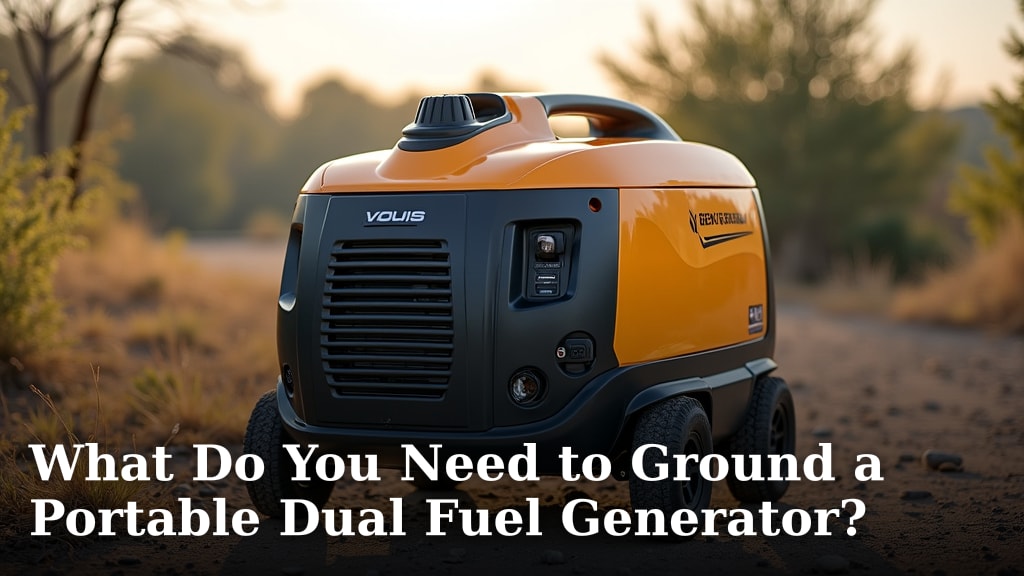
To safely ground a portable dual fuel generator, you need a ground rod, a grounding wire, and the correct adapters or clamps. This setup protects you from electrical shock.
You want to ensure your generator is properly grounded, especially when powering sensitive electronics or working in damp conditions. Safety is paramount, and improper grounding can lead to dangerous situations or even damage your appliances. We found that understanding these few items makes the process much clearer.
- Ground rod installation.
- Connecting the grounding wire.
- The right tools for the job.
- Why grounding is so important.
- Tips for safe generator use.
Let’s walk through exactly what each of these items is and how to use them to safely ground your portable dual fuel generator. We’ll make it simple for you!
Essential Gear for Grounding Your Portable Generator
You want to protect yourself and your equipment. Getting the right tools is the first step. For grounding your portable dual fuel generator, you really only need a few key items. We found that understanding these items makes the whole process clear.
The Ground Rod: Your Generator’s Anchor to Earth
Think of the ground rod as your generator’s direct line to the earth. It’s a critical safety component. This rod directs any stray electrical currents safely away from your generator and into the ground.
What Type of Ground Rod Do You Need?
You’ll typically need a copper-clad steel rod. It’s usually about 4 to 8 feet long and 1/2 to 5/8 inches in diameter. The length is important because it ensures good contact with the earth. A longer rod means better grounding, especially in dry soil. We found that local electrical codes often specify the minimum length required in your area (National Electrical Code).
Installing Your Ground Rod
Once you have your ground rod, you need to drive it into the earth. Choose a spot that’s firm and clear of underground utilities. You want to get at least 8 feet of the rod into the ground. Many people use a sledgehammer or a specialized ground rod driver for this. It might take some effort, but it’s crucial for your safety. Make sure the top few inches of the rod are still above ground so you can connect your grounding wire.
The Grounding Wire: The Connection You Can Trust
This wire acts as the bridge between your generator and the ground rod. It’s what completes the safety circuit. Without it, the ground rod can’t do its job.
Choosing the Right Grounding Wire
You need a wire that’s strong enough to carry potential fault currents. Most experts recommend a heavy-gauge insulated copper wire, often 10-gauge or even 8-gauge. The insulation protects the wire from damage. The thicker the wire, the better it can handle electrical flow. We found that a green or bare copper wire is often used for grounding purposes, as it’s a universal signal for safety ground (OSHA).
Connecting the Grounding Wire
One end of this wire attaches to your generator’s grounding terminal. This terminal is usually a metal screw or bolt with a grounding symbol. The other end connects securely to the ground rod. You’ll use a ground rod clamp for this. Make sure both connections are tight and secure. Loose connections can defeat the purpose of grounding.
Essential Accessories: Adapters and Clamps
These smaller items play a big role in ensuring a solid, safe connection. Don’t overlook them.
The Ground Rod Clamp: A Firm Grip
This is a simple but vital piece of hardware. The clamp secures the grounding wire to the ground rod. You want a clamp made of a corrosion-resistant material, like brass or bronze. A tight connection here is non-negotiable. If it’s loose, your generator isn’t truly grounded.
What if Your Generator Has a Floating Neutral?
Some portable generators have what’s called a “floating neutral.” This means the neutral conductor isn’t bonded to the generator frame internally. For these generators, you absolutely need to use a ground rod. We found that for generators with a “bonded neutral” (where the neutral is connected to the frame), grounding is still often recommended, especially when connected to a home’s electrical system (NFPA 70, National Electrical Code).
Why Is Grounding Your Generator So Important?
You might be asking, “Is all this really necessary?” The short answer is yes. Grounding is a fundamental safety measure. It protects you, your family, and your equipment.
- Prevents Electric Shock: This is the primary reason. If an internal fault occurs, grounding provides a safe path for electricity to flow into the earth, rather than through you.
- Protects Appliances: Proper grounding helps prevent surges or faults from damaging your connected devices. Sensitive electronics are especially vulnerable.
- Reduces Fire Risk: Uncontrolled electrical faults can generate heat, posing a fire hazard. Grounding helps mitigate this risk.
- Ensures Generator Performance: A well-grounded system operates more predictably and efficiently.
Imagine touching a faulty generator that isn’t grounded. The electricity could travel through your body to find a path to the earth. That’s a shock hazard you want to avoid at all costs. Grounding gives that electricity an easier, safer route.
Checklist for Grounding Your Generator
Here’s a quick list to help you remember the steps. You can check these off as you go.
- Select an appropriate ground rod.
- Drive the ground rod at least 8 feet deep into solid ground.
- Choose a heavy-gauge grounding wire (e.g., 10-gauge copper).
- Attach one end of the wire to the generator’s grounding terminal.
- Secure the other end of the wire to the ground rod with a ground rod clamp.
- Double-check all connections to ensure they are tight and secure.
Safe Practices Beyond Grounding
While grounding is crucial, it’s just one part of safe generator use. You want to make sure you’re always operating your generator with safety in mind. Think of it like driving a car; grounding is like having good brakes, but you still need to wear your seatbelt and follow traffic laws.
Here are a few other tips we’ve gathered:
- Never operate a generator indoors or in an enclosed space. Carbon monoxide is a deadly, odorless gas. Position your generator at least 20 feet away from your home’s windows and doors (CDC).
- Keep the generator dry. Don’t operate it in rain or wet conditions. If you need to use it in wet weather, ensure it’s under an open, canopy-like structure.
- Allow the generator to cool down before refueling. Fuel spilled on a hot engine can ignite.
- Use appropriate extension cords. They should be heavy-duty and rated for outdoor use. Inspect them for damage before each use.
- Connect appliances directly to the generator or use a transfer switch. Never backfeed power into your home’s electrical system by plugging the generator into a wall outlet. This can be extremely dangerous for utility workers and neighbors.
Common Grounding Scenarios for Portable Generators
How you ground your generator can depend slightly on where and how you’re using it. You’ll want to choose the right approach for your situation.
Scenario 1: Standalone Use (Camping, Tailgating)
If you’re just powering a few items directly from the generator’s outlets and not connecting it to any building’s electrical system, a ground rod is usually sufficient. This setup isolates the generator from other electrical systems. You’re mainly protecting yourself from internal generator faults.
Scenario 2: Connecting to a Home with a Transfer Switch
When you’re connecting your portable generator to your home’s electrical panel via a properly installed transfer switch, the generator might be bonded to your home’s existing grounding system. Many experts say that if your transfer switch properly isolates the house wiring from the utility, the generator often grounds through the house’s grounding electrode system. However, check your generator’s manual and local electrical codes. Sometimes, even with a transfer switch, an additional ground rod is recommended for certain generator types (NFPA 70).
Your local electrical authority will have the final say on requirements. Always refer to your generator’s user manual as your primary guide. We found that manuals often contain specific grounding instructions for your particular model. Safety should always be your top concern, so take the time to do it right.
Conclusion
You now understand the vital components for safely grounding your portable dual fuel generator: the ground rod, grounding wire, and secure connections. This setup isn’t just a recommendation; it’s a critical shield against electrical hazards. By taking these steps, you protect yourself, your loved ones, and your valuable equipment from potential harm.
Remember that safety extends beyond grounding. Always operate your generator outdoors, keep it dry, and use appropriate cords. By following these guidelines, you’ll ensure your generator provides reliable power without compromising safety. Make grounding a non-negotiable part of your generator setup every single time.
Frequently Asked Questions
Do all portable generators need to be grounded?
Most portable generators benefit from grounding, especially if they have a “floating neutral” or if you’re connecting them to a structure. Always check your generator’s specific manual, as some newer models might have internal grounding solutions for standalone use.
Can I use a metal fence post instead of a ground rod?
No, you should not use a metal fence post. Dedicated ground rods are designed for electrical grounding and made from specific conductive materials like copper-clad steel. Fence posts might not provide adequate conductivity or depth for effective grounding.
What happens if I don’t ground my portable generator?
If you don’t ground your generator, you significantly increase the risk of electrical shock. In the event of an internal fault, current could flow through the generator’s frame or attached cords, potentially harming anyone who touches it.
How far away from my generator should the ground rod be?
The ground rod should be reasonably close to your generator, typically within 10 to 20 feet. This minimizes the length of the grounding wire needed, which helps maintain effective conductivity. Keep the wire run as direct as possible.
Is it okay to ground my generator to a house water pipe?
Using a house water pipe for generator grounding is generally not recommended and can even be dangerous. Modern plumbing might include non-conductive plastic sections, breaking the grounding path. Always use a dedicated ground rod for proper safety.
